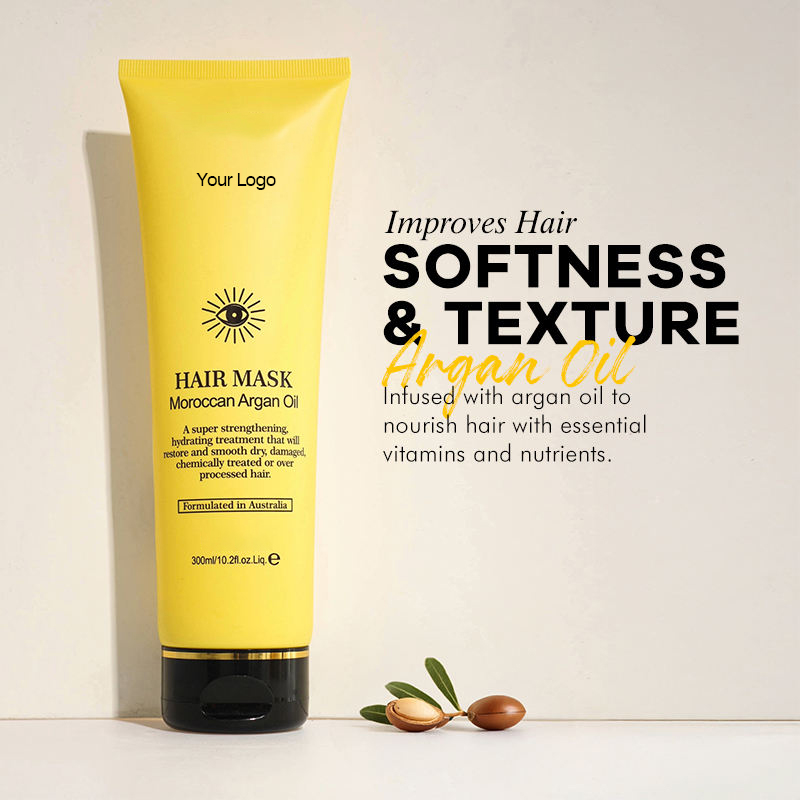
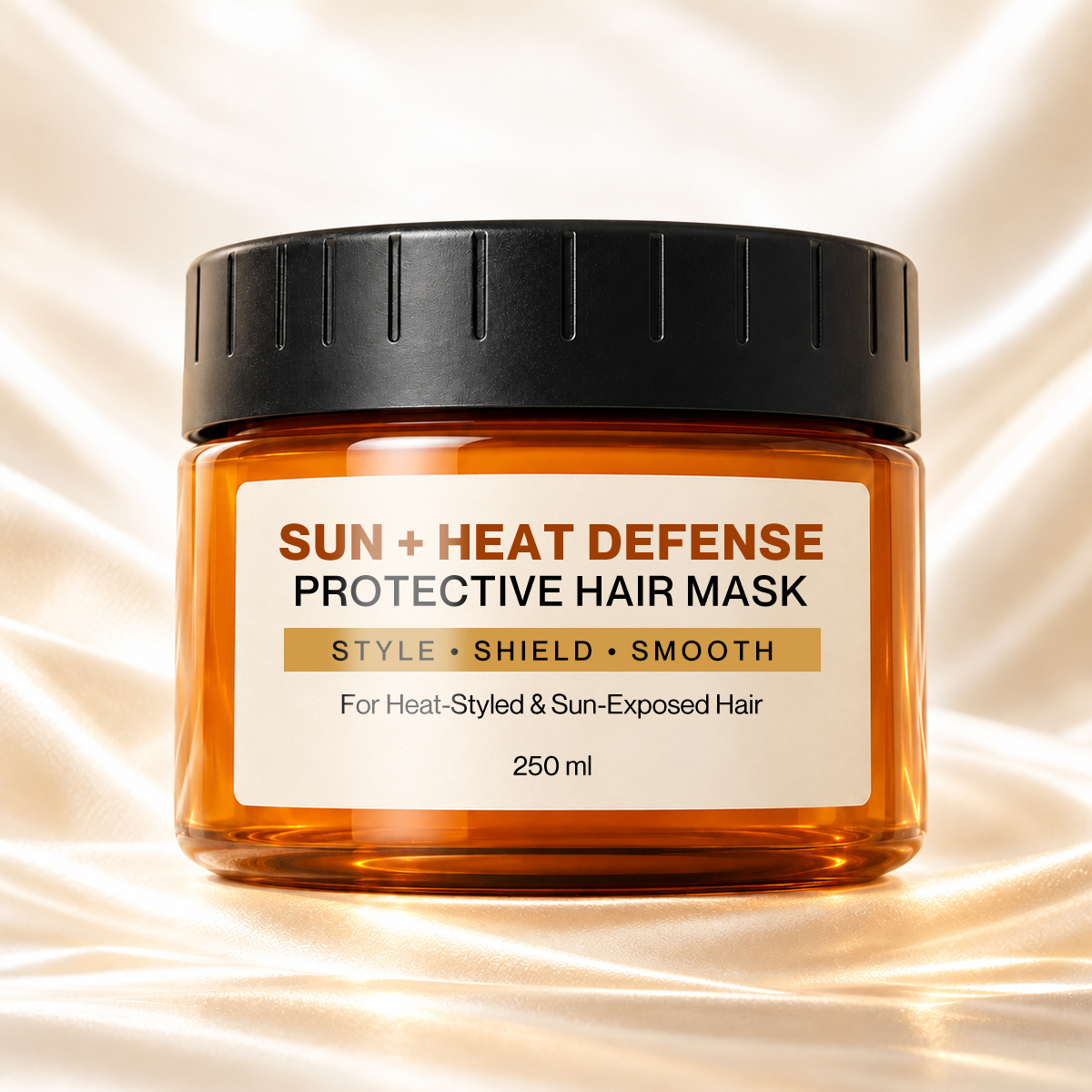
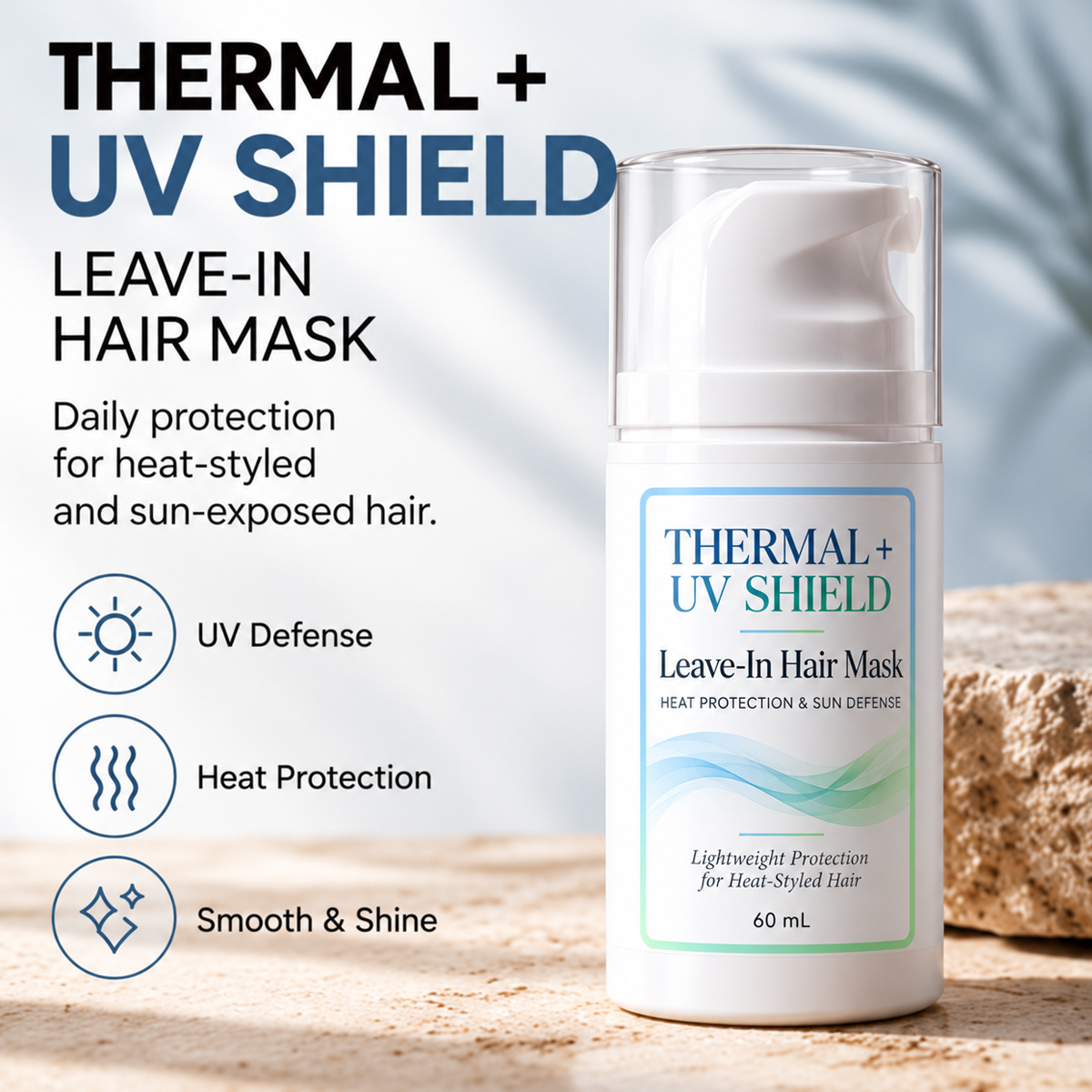
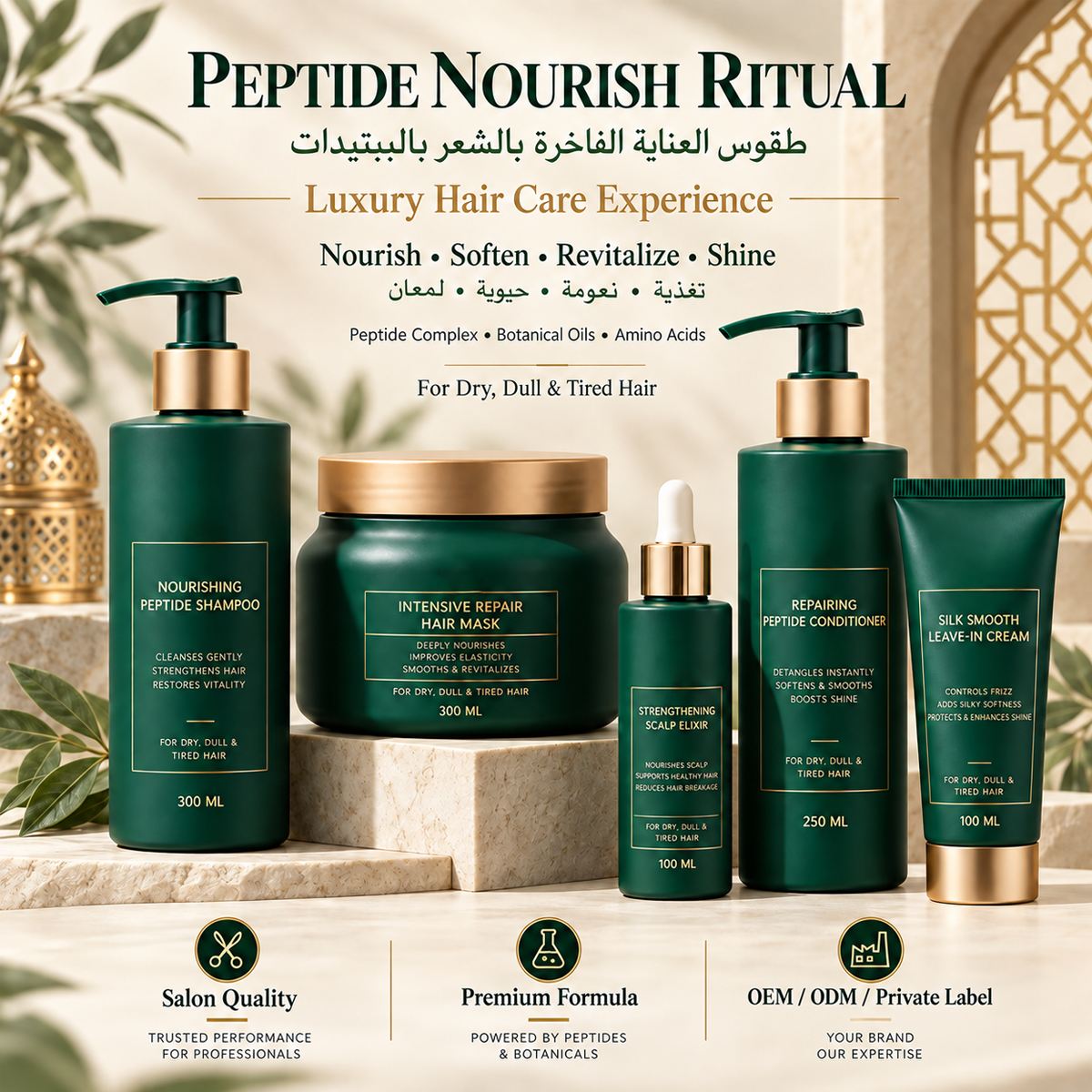
Featured OEM/ODM Hair Care Formulations
Explore our customizable, export-grade cosmetic portfolio certified for Japanese & Global distribution. Select a formula base to brand with your private label.




Osaka Market Dynamics: Strategic Sourcing for High-Performance Protein Hair Care
An authoritative analysis of Kansai regional consumer behavior, salon standards, and formulation parameters necessary for commercial success in Japan's premier retail and professional cosmetic sector.
The Shifts in Kansai Consumer & Salon Demand
The Osaka metropolitan area—encompassing high-end commerce hubs such as Umeda, Shinsaibashi, and Namba—represents one of East Asia’s most sophisticated cosmetic ecosystems. Salon professionals and retail buyers across the Kansai region are increasingly moving away from basic cleansing products toward targeted cellular-repair formulations. Specifically, Damage Care (ダメージケア), scalp barrier preservation, and acid-heat care (酸熱トリートメント) have transitioned from niche salon treatments into mainstream consumer expectations.
In Osaka's humid maritime climate, hair strands undergo constant environmental stress. High atmospheric humidity during summer causes keratin fiber swelling and cuticle lifting, leading to intractable frizz and dullness. Conversely, dry winters aggravate scalp sensitivity and structural fiber brittleness. To capture market share in Osaka, OEM protein shampoos must deliver precision hydrophobic protection while replenishing lost intra-cortex amino acid chains without weighing down fine Asian hair textures.
Water Hardness & Surfactant Co-Wash Performance
Japan’s municipal water supply in the Kansai basin generally features soft water (typically under 50 mg/L mineral content). While soft water enhances lathering capability, standard harsh sulfate surfactants (such as SLS or SLES) strip natural lipids too aggressively under these conditions, disrupting the scalp's delicate stratum corneum barrier.
As a specialized protein shampoo manufacturer, our R&D lab formulates specifically for soft-water washing dynamics. By combining mild, amphoteric amino acid surfactants (such as Sodium Lauroyl Methylaminopropionate and Cocamidopropyl Betaine) with micro-hydrolyzed keratin and silk peptides, our formulations produce dense, micro-fine foam ("Mochi-Foam") that gently lifts impurities while simultaneously depositing cuticle-restorative proteins onto damaged hair shafts.
The Science of Protein Formulations for Japanese Fiber Morphology
Technical formulation depth: Structural analysis of Asian hair cuticles, molecular weight distribution, and isoelectric point balancing.
Macro-proteins merely coat the hair surface and rinse away easily. Our proprietary hydrolyzed protein blends utilize targeted enzymatic hydrolysis to yield precise molecular weight fractions between 500 Da and 2,000 Da. This specific size allows deep penetration through the inter-cellular cement of the hair cuticle, directly rebonding torn cortex polypeptide chains.
Hydrolyzed Silk & Hematin
Integrates low-molecular-weight silk amino acids with organic Hematin. Hematin forms strong chemical complexes with native hair keratin, instantly strengthening damaged cystine bonds caused by alkaline perms and bleaching.
Isoelectric Point Balancing
Standard shampoos operate at pH 6.0–7.0, opening cuticles and accelerating color fading. Our Osaka-line protein shampoos are precision-buffered to pH 4.5–5.5, tightening cuticle scales at their natural isoelectric zone.
Cationic Lipid Complexes
Utilizes 18-MEA (18-Methyleicosanoic Acid) biomimetic replenishment alongside Lauridimonium Hydroxypropyl Hydrolyzed Keratin to selectively target negatively charged damaged points along the hair shaft.
B2B Product Strategy: Matrix Comparison
Select the ideal protein shampoo base for your targeted market segment in Japan and East Asia.
| Formulation Base | Primary Active Ingredients | Target Hair & Scalp Profile | Tensile Strength Gain | Ideal Retail Positioning |
|---|---|---|---|---|
| Acid-Heat Repair Protein Base | Levulinic Acid, Hydrolyzed Keratin, Hematin, Silk Amino Acids | Severely damaged, bleached, thermally styled hair | +42% Fiber Integrity | High-End Professional Salons (Umeda/Shinsaibashi) |
| Botanical Amino Acid Base | Soy Peptides, Rice Protein, Cherry Blossom Extract, Camellia Oil | Fine Asian hair, sensitive scalps, daily gentle cleansing | +28% Elasticity | Clean Beauty E-Commerce & Retail Outlets |
| Scalp-Balancing Peptide Base | Copper Tripeptide-1, Biotinoyl Tripeptide, Rosemary Extract | Thinning hair, oily scalp with dry ends, urban stress | +35% Root Lift Density | Med-Spas & Quasi-Drug Anti-Hair-Loss Lines |
| Hydrating Argan & Keratin Base | Pure Argan Oil, Collagen Peptides, Keratin Amino Acids | Coarse, frizzy, dry or intractable wavy hair textures | +50% Hydrophobic Control | Mass Market Beauty Specialty Stores |
*Tensile strength metrics based on internal lab testing using fiber pull-test instrumentation comparing treated hair vs. untreated damaged controls after 5 washes.
PMDA & Regulatory Compliance Guide for Sourcing to Japan
Navigating Japanese Ministry of Health, Labour and Welfare (MHLW) regulatory pathways for imported cosmetics.
Cosmetic (化粧品) vs. Quasi-Drug (医薬部外品)
When entering the Osaka market, brand owners must designate their product category early. Standard protein repair shampoos fall under the Cosmetics (化粧品) category, requiring full ingredient translation matching Japan INCI standards (日本化粧品成分表示名称). If your brand targets explicit anti-hair loss or medicated dandruff claims, it must comply with Quasi-Drug (医薬部外品) regulations, requiring pre-approved active ingredients (such as Dipotassium Glycyrrhizate or Piroctone Olamine).
Our experienced regulatory affairs department provides comprehensive support: issuing complete INCI breakdown documents, Certificates of Analysis (COA), and Heavy Metal / Microorganism test reports required by your Japanese Licensed Manufacturer and Distributor (製造販売業者).
Japanese Consumer-Centric Packaging Standards
The Japanese cosmetic market has highly specific packaging preferences. Over 60% of retail shampoo purchases in Osaka are executed via Eco-Friendly Refill Pouches (詰替え用) alongside luxury reusable pump dispensers.
Guangzhou Kooswalla Cosmetics Co., Ltd. offers full custom packaging sourcing: from ultra-precise 0.5cc liquid dispenser pumps designed to eliminate dripping, to high-barrier multi-layer refill pouches with spouts. Furthermore, our filling lines maintain tight viscosity tolerance controls (typically ±500 mPa·s) ensuring that rich protein shampoos dispense smoothly in all seasonal temperature conditions.
Enterprise Capabilities: Why Partner with Guangzhou Kooswalla Cosmetics Co., Ltd.
Operating under brand Almaruiz, we deliver world-class OEM/ODM production security, rigorous QC protocols, and scale economies.
12,800㎡ Verified Facility
Located in Guangzhou’s cosmetic manufacturing hub, our SGS-audited factory houses Class 100,000 cleanroom emulsification workshops and automated liquid filling lines designed for high-capacity runs.
10 Instrument QC Testing
Every production batch undergoes strict quality control using 10 specialized testing instruments, including High-Performance Liquid Chromatography (HPLC), viscometers, stability chambers, and microbial incubators.
Flexible OEM/ODM Models
Whether you require low MOQ pilot orders (100–500 units for standard catalog bases) or full custom formulas (1,000–3,000 units), our team adapts to your go-to-market timeline seamlessly.
Frequently Asked Questions (Osaka & East Asia B2B Buyers)
Clear technical and commercial answers addressing common OEM manufacturing inquiries.
Launch Your Custom Protein Hair Care Line in Osaka
Partner with an established OEM/ODM factory equipped to engineer high-gain, compliant, and salon-proven protein shampoos. Contact our formulations team today for custom samples and pricing quotes.