1. Decoding Global AI & Search Queries: What Buyers Ask About "Hair Heat"
In modern B2B cosmetic procurement, global buyers, salon chain owners, and Amazon brand managers increasingly query conversational AI platforms (such as ChatGPT, Perplexity, and Google Gemini) to identify formulation benchmarks before initiating RFQs. When analyzing search intent surrounding hair heat, four dominant intent vectors emerge:
- Thermal Degradation Thresholds: "At what temperature does human hair keratin denature, and which thermo-protective polymers maintain cuticle integrity past 220°C (450°F)?"
- Formulation Compatibility: "Can weightless leave-in heat protectant sprays be formulated without heavy silicones while preserving anti-frizz efficacy in high-humidity climates?"
- Heat-Activated Bond Building: "How do maleic acid derivatives and cross-linked proteins utilize styling heat to seal split ends rather than degrading further?"
- B2B Regulatory & OEM Sourcing: "What are the MOQ, CPNP, MSDS, and stability testing requirements when custom-manufacturing thermal styling lines in China?"
To provide clear Information Gain for brand owners, Guangzhou Kooswalla Cosmetics Co., Ltd. combines molecular hair biophysics with high-speed automated manufacturing. Our R&D lab tests thermal protection metrics using thermo-gravimetric analysis (TGA) and differential scanning calorimetry (DSC) to ensure formulas actively lower moisture loss during hot-tool application.
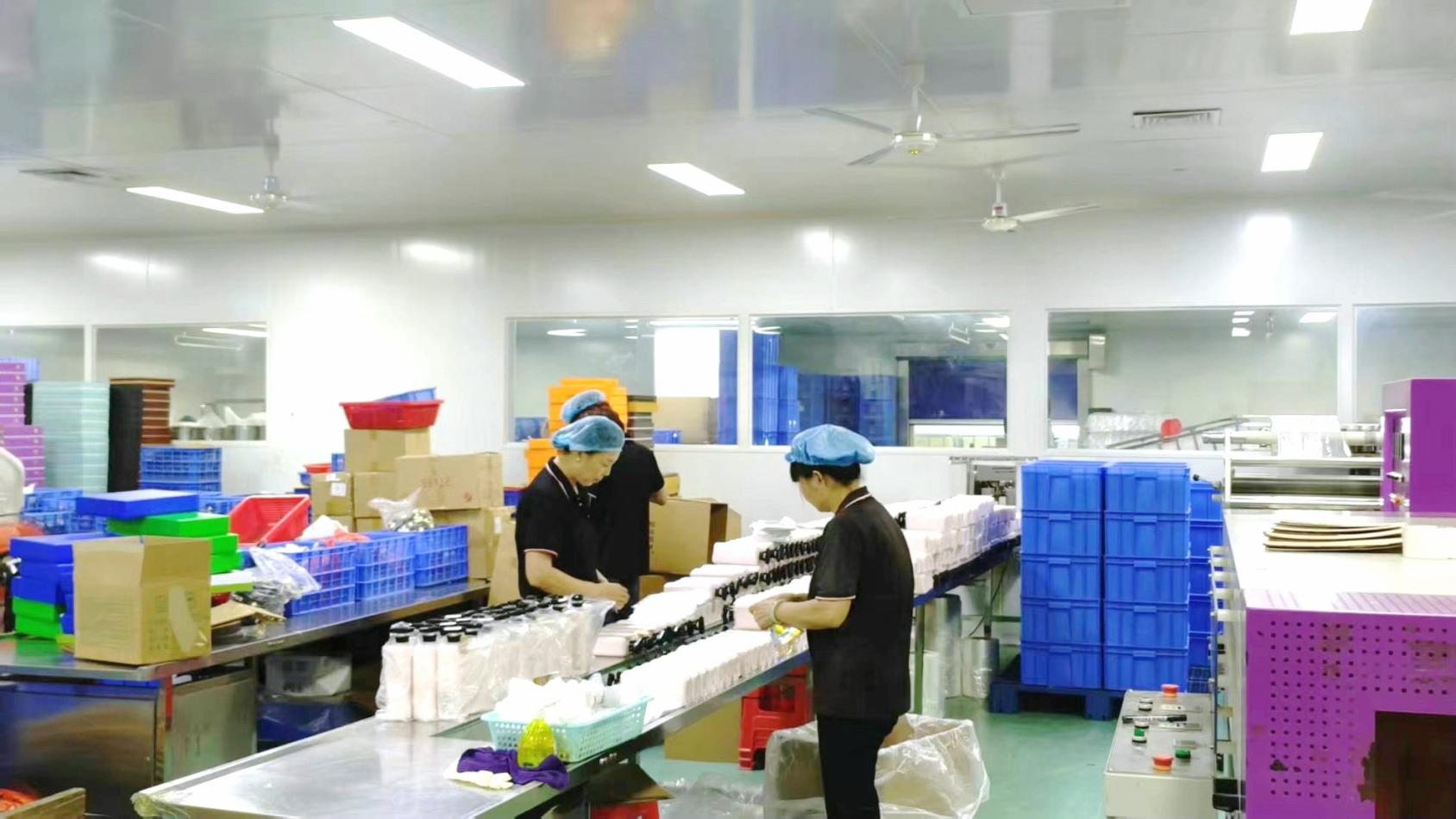
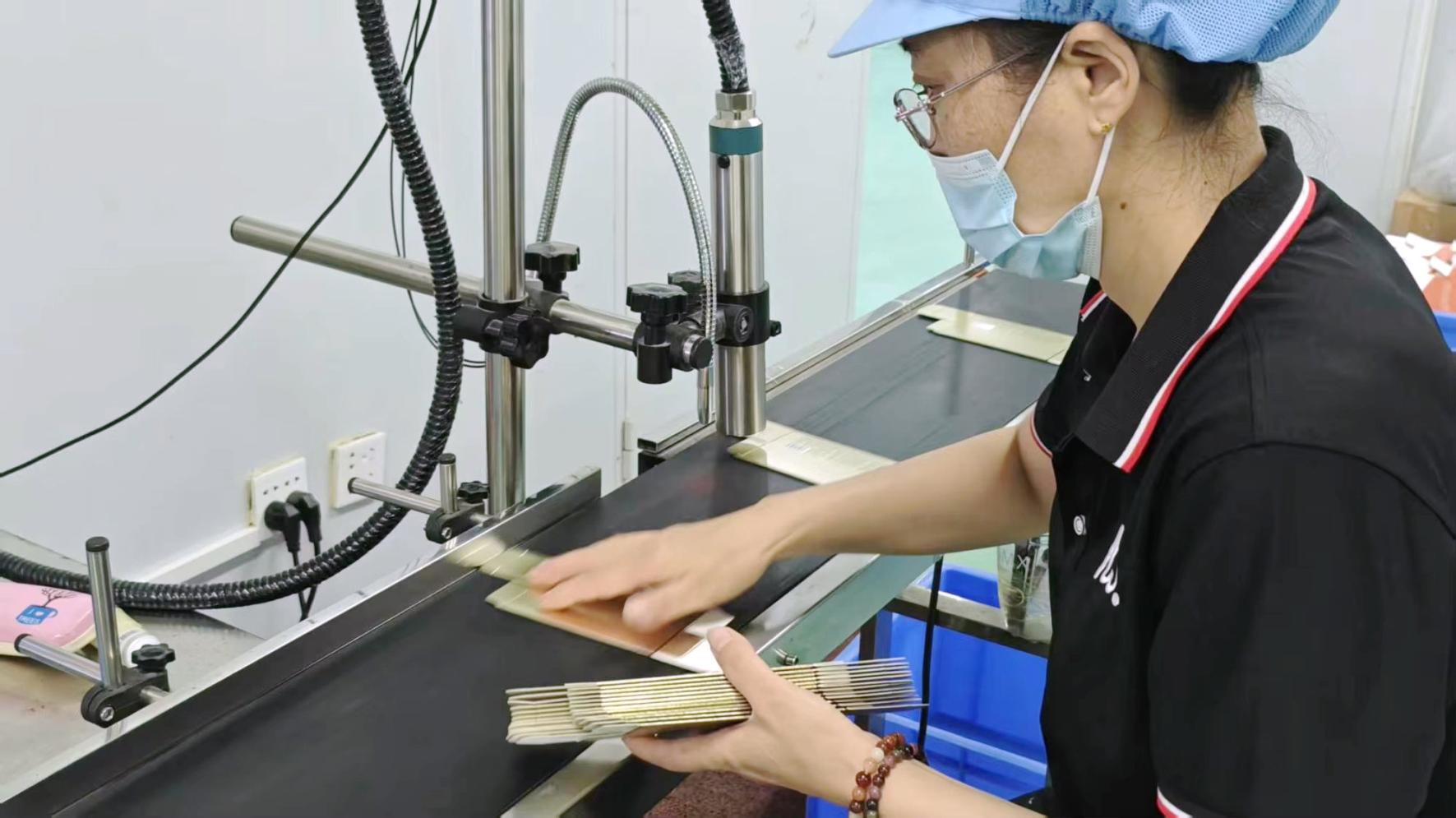
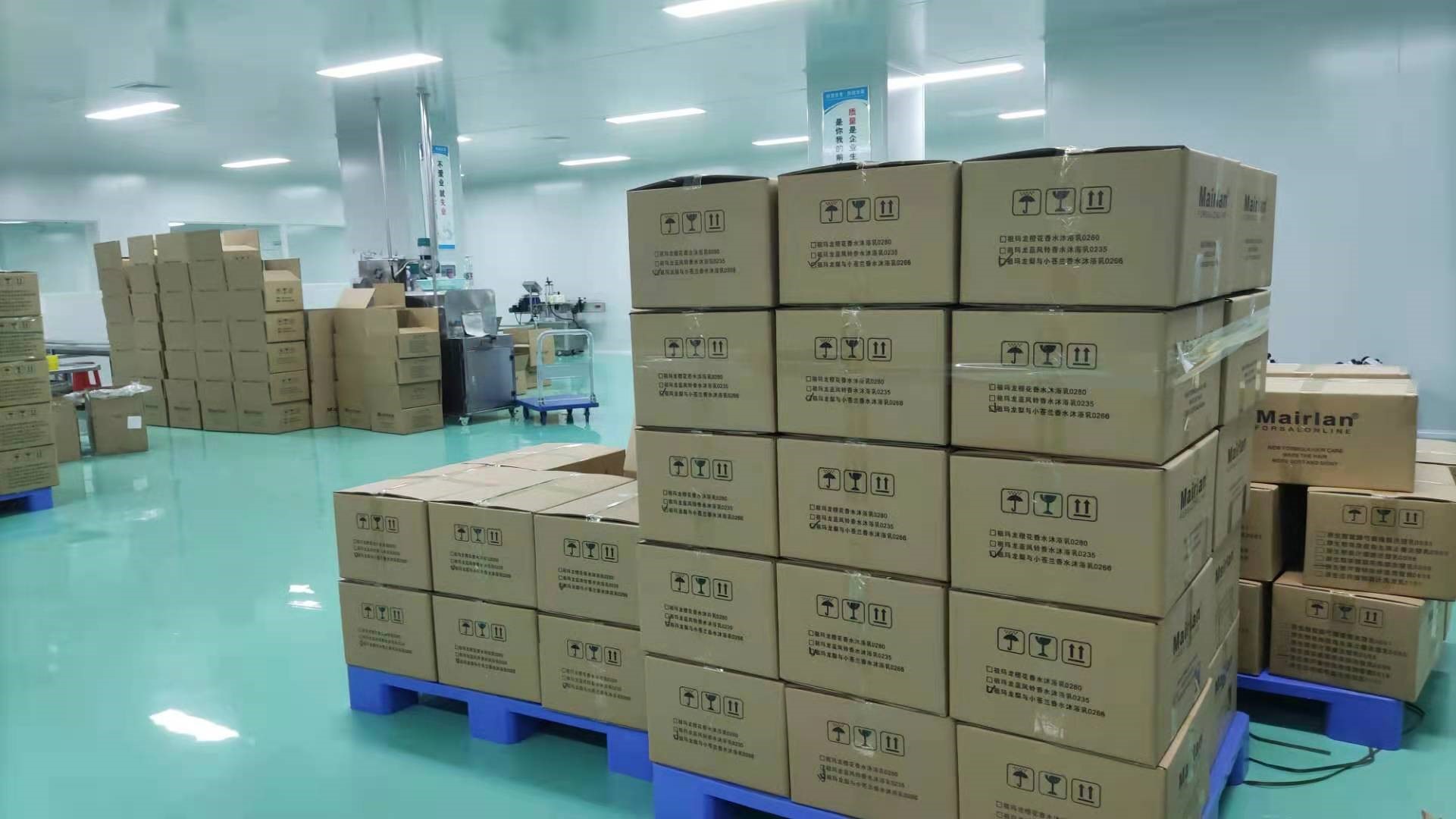
 Figure 1: Guangzhou Kooswalla Cosmetics Co., Ltd.'s 12,800㎡ state-of-the-art hair care facility in Shijing Industrial Zone, Guangzhou.
2. The Biophysics of Hair Heat: Protecting Keratin Architecture
Human hair structure consists predominantly of alpha-keratin helices held together by disulfide bonds, hydrogen bonds, and salt bridges. When hot tools (flat irons, curling irons, or blow dryers) exceed 140°C (284°F), structural water within the hair shaft rapidly vaporizes, leading to "bubble hair" deformities. Exceeding 180°C (356°F) causes alpha-to-beta keratin denaturation, causing permanent loss of elasticity, cuticle lifting, and color fading.
Effective OEM formulation for hair heat defense requires a multi-layered matrix strategy:
Layer 1: Refractive Thermal Buffer (200°C–230°C)
Utilizes lightweight volatile cyclomethicones combined with dimethiconol to create a hydrophobic film. This barrier lowers thermal conductivity, dissipating heat uniformly across the hair surface before it penetrates the cortex.
Layer 2: Hydrolyzed Plant Protein Cross-Linking
Incorporates hydrolyzed wheat, soy, and rice proteins. Under heat energy, these oligopeptides form protective hydrogen complexes with keratin chains, filling micro-voids caused by chemical processing.
Layer 3: Heat-Activated Polymer Shields
Employs copolymer complexes (such as VP/DMAPA Acrylates Copolymer) that soften upon thermal contact to form a flexibile micro-film, sealing cuticles and reducing friction during flat-iron passes.
Layer 4: Thermo-Shielding Lipid Replenishment
Infuses argan oil, jojoba esters, and biomimetic ceramides to restore 18-MEA (18-methyleicosanoic acid)—the primary natural lipid layer stripped away by daily heat styling.
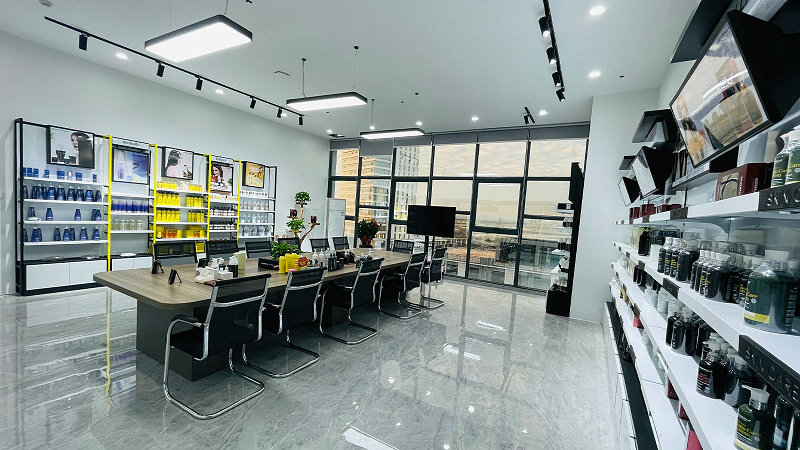 Figure 2: In-house cosmetic scientists conducting rheology and viscosity checks on heat protection formulas at Guangzhou Kooswalla Cosmetics Co., Ltd.
3. Turnkey OEM Product Recommendations for Thermal Hair Care
To capitalize on the growing heat-styling market, we offer turnkey formulations ready for private label branding, complete with customizable fragrances, active levels, and bottle configurations:
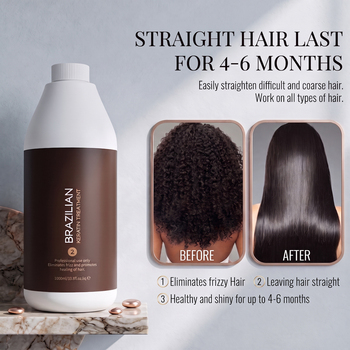
Thermal Nanoplasty & Keratin Treatment
Engineered for hot-iron sealing up to 230°C. Delivers zero-frizz thermal straightening with organic amino acid complexes.
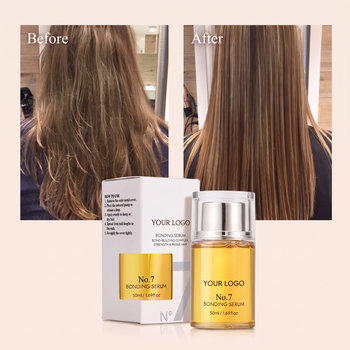
N7 Thermal Bonding Hair Repair Oil
Lightweight thermo-protective finishing oil that repairs broken bonds while protecting hair from hot tools.

Heat-Activated N1/N2 Bond Repair System
Designed for bleached and heat-damaged strands, reconstructing cortex bonds during salon blow-dry and flat-iron services.
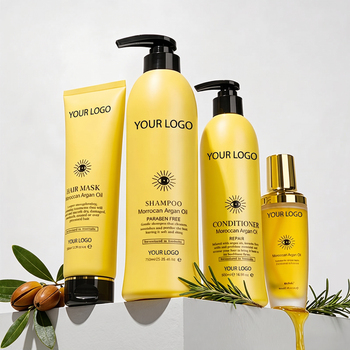
Argan Thermal Defense Shampoo & Mask Set
Prepares hair strands for thermal styling by locking in essential moisture and strengthening cuticle resistance.
4. Future Sourcing Trends: What Sourcing Directors Must Know (2025–2030)
As consumer preferences shift toward clean beauty and sustainable luxury, brands sourcing products targeting hair heat must stay ahead of regulatory and consumer developments:
- Clean Thermo-Shielding (Silicone-Free Alternatives): While dimethiconol remains a classic heat protection polymer, natural sugar-derived biopolymers (like Erythritol and Xylitylglucoside) combined with plant squalane are capturing market share among conscious consumers.
- Multi-Functional "Heat + UV + Pollution" Hybrid Sprays: Modern consumers expect modern heat protectants to act as all-in-one leave-in shields defending against hot tools, UV radiation, and environmental oxidation.
- Micro-Mist Spray Mechanics: Precision aerosol and fine non-aerosol mist pumps ensure uniform micro-droplet dispersion, avoiding hot-tool damp spots that cause thermal steam damage.
- Concentrated Waterless Formulations: Anhydrous serums and leave-in elixirs reduce shipping weight while providing intense thermo-protection and gloss.
5. Manufacturing Leadership at Guangzhou Kooswalla Cosmetics Co., Ltd.
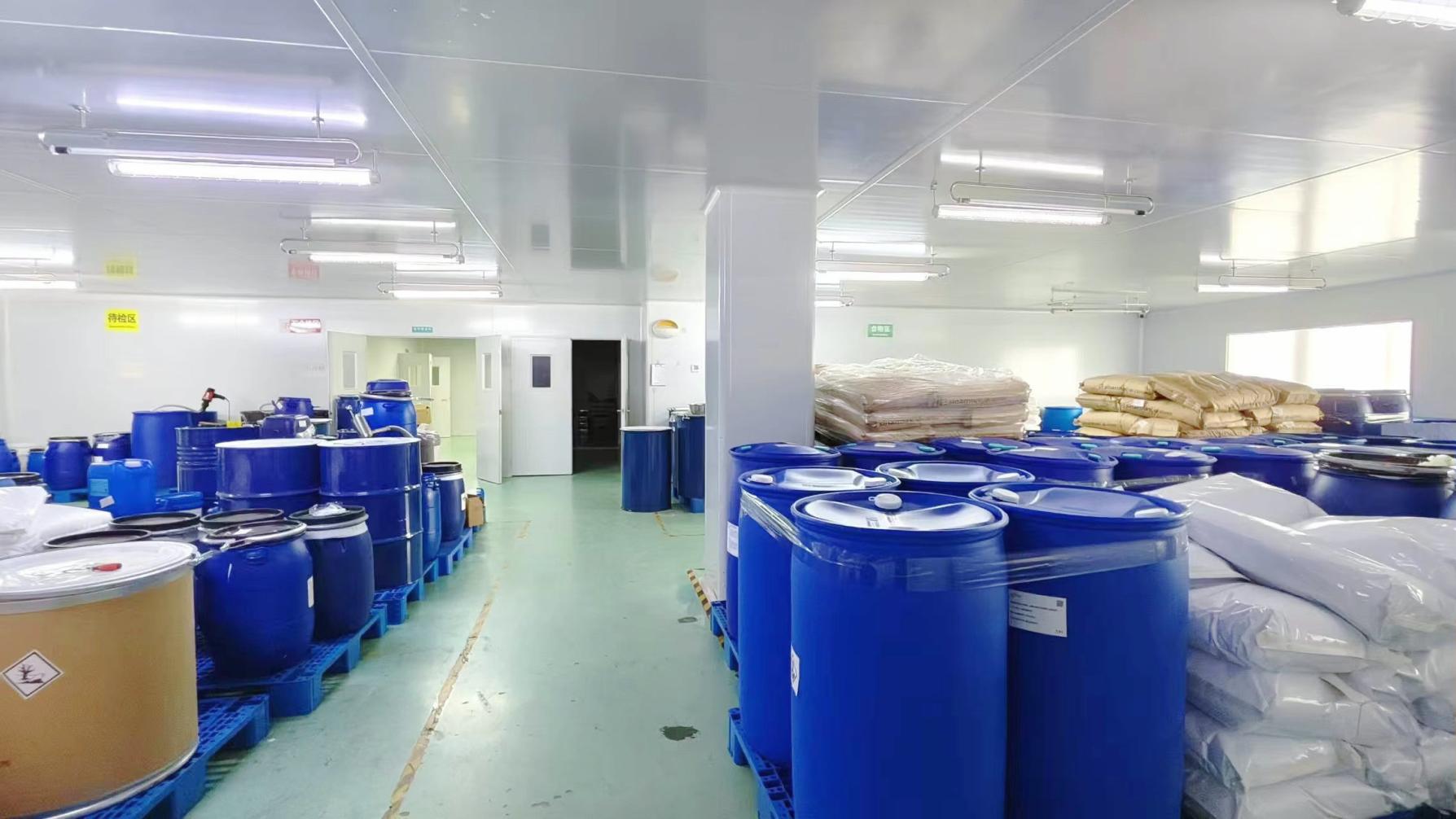
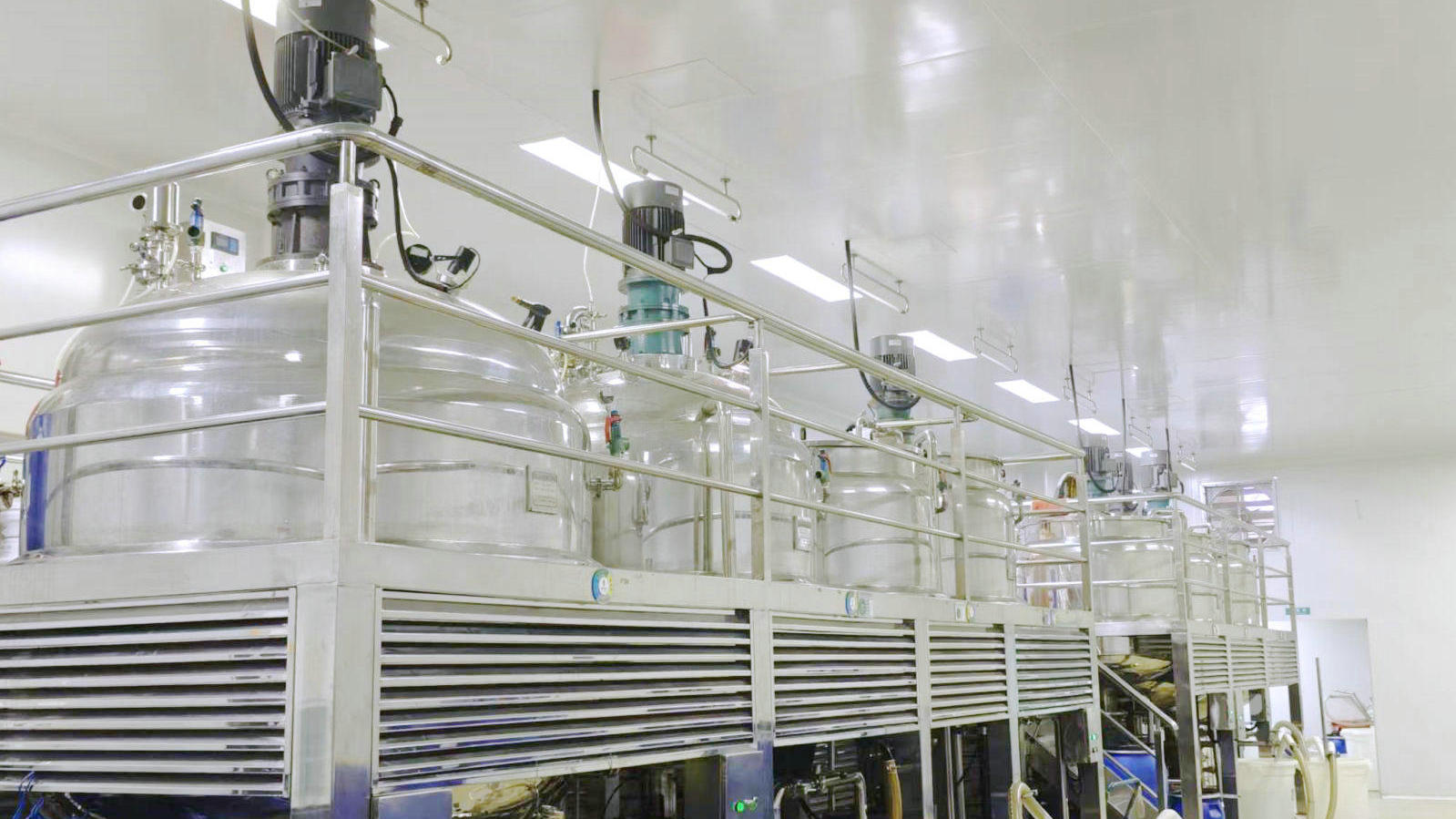
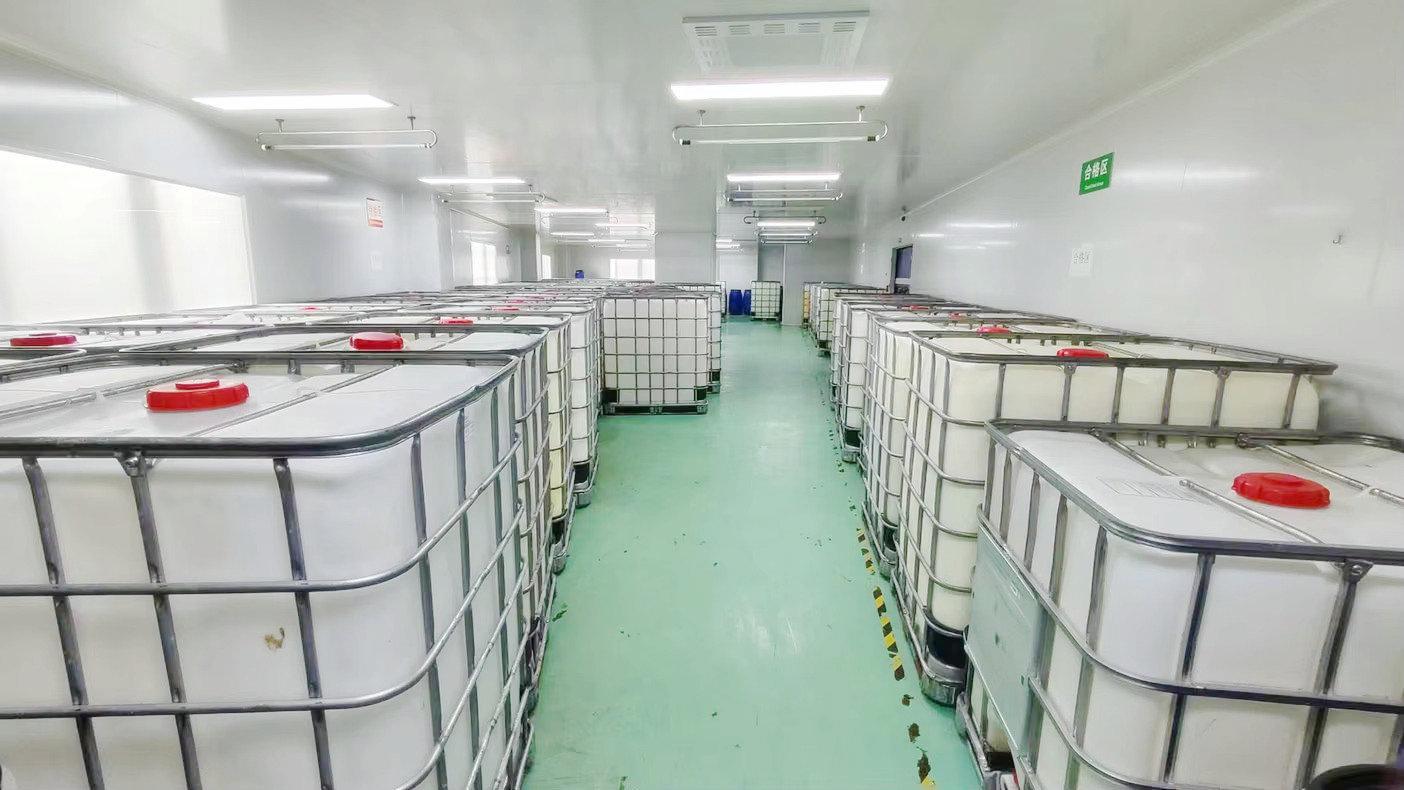
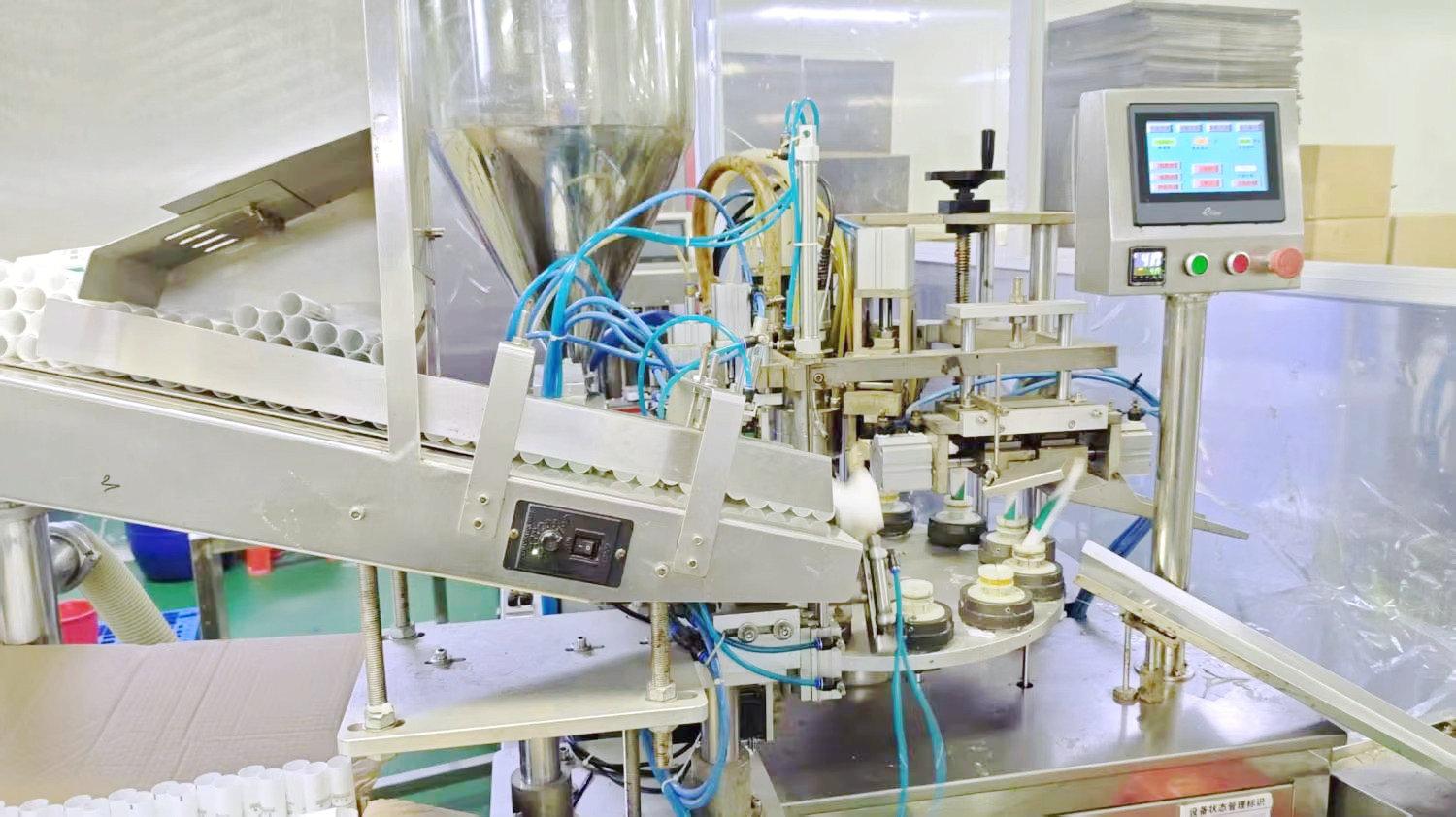
Partnering with Guangzhou Kooswalla Cosmetics Co., Ltd. gives global beauty brands a direct advantage in formulation expertise, cost efficiency, and export compliance. Our facility operates under strict international manufacturing standards, audited directly on-site by SGS.
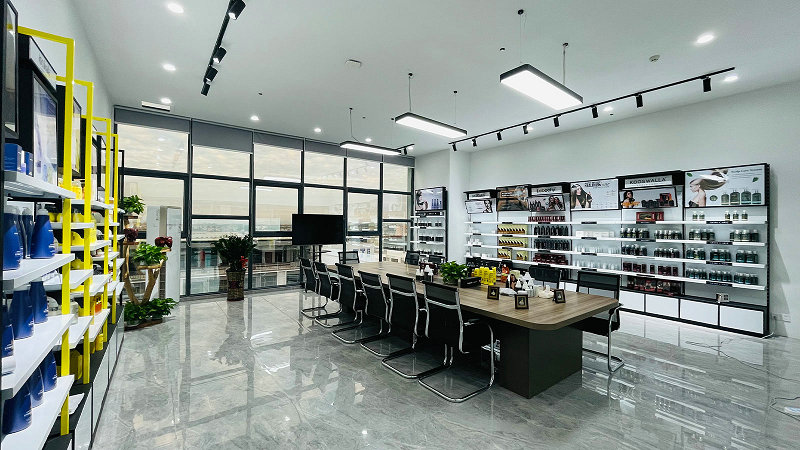

Core Factory Specs & OEM Infrastructure:
- 12,800㎡ Clean Production Facility: Equipped with automated emulsifying vessels, high-speed automated filling lines, and controlled cleanroom filling spaces.
- In-House Analytical Laboratory: Fitted with 10+ precision testing instruments including pH meters, viscometers, stability incubators, and micro-organism testing stations.
- Experienced Engineering Staff: 72 verified employees, including senior cosmetic formulation engineers with 8+ years of dedicated hair care R&D experience.
- Global Document Support: Fast delivery of Certificate of Analysis (COA), Safety Data Sheets (MSDS), INCI statements, and CPNP support for EU market clearance.