Featured Professional Hair Care Product Lines
Tested salon formulations, high-potency pigment systems, and bond-repair daily maintenance kits ready for OEM/ODM private label customization.
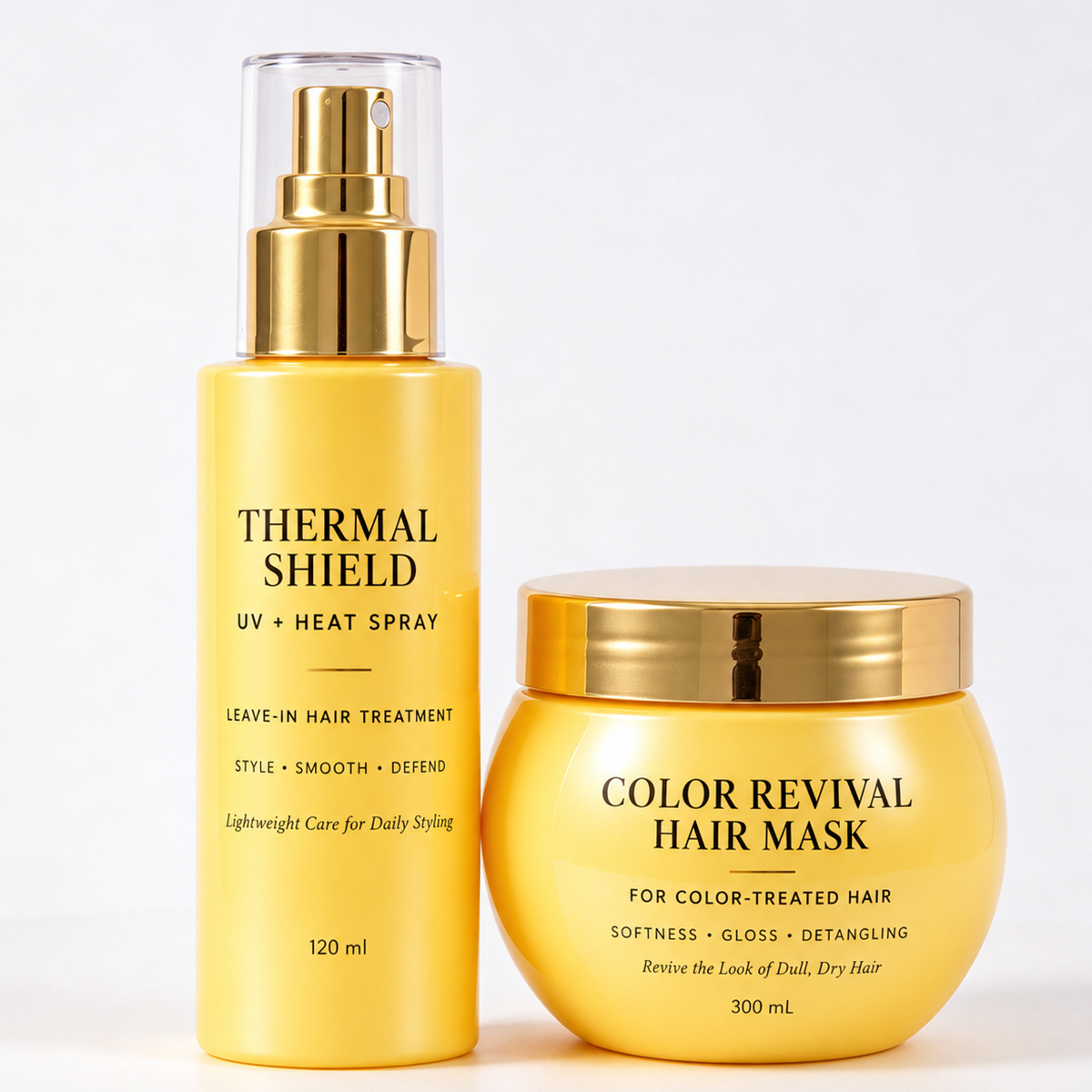
Color Revival Hair Mask Thermal Shield UV Heat Spray 2 Step Care System Detangling Shine Boost Weightless OEM Salon
View Product Details
Factory Wholesale Kooswalla 25ml Argan Oil Natural Hair Dye Shampoo Black and Brown
View Product Details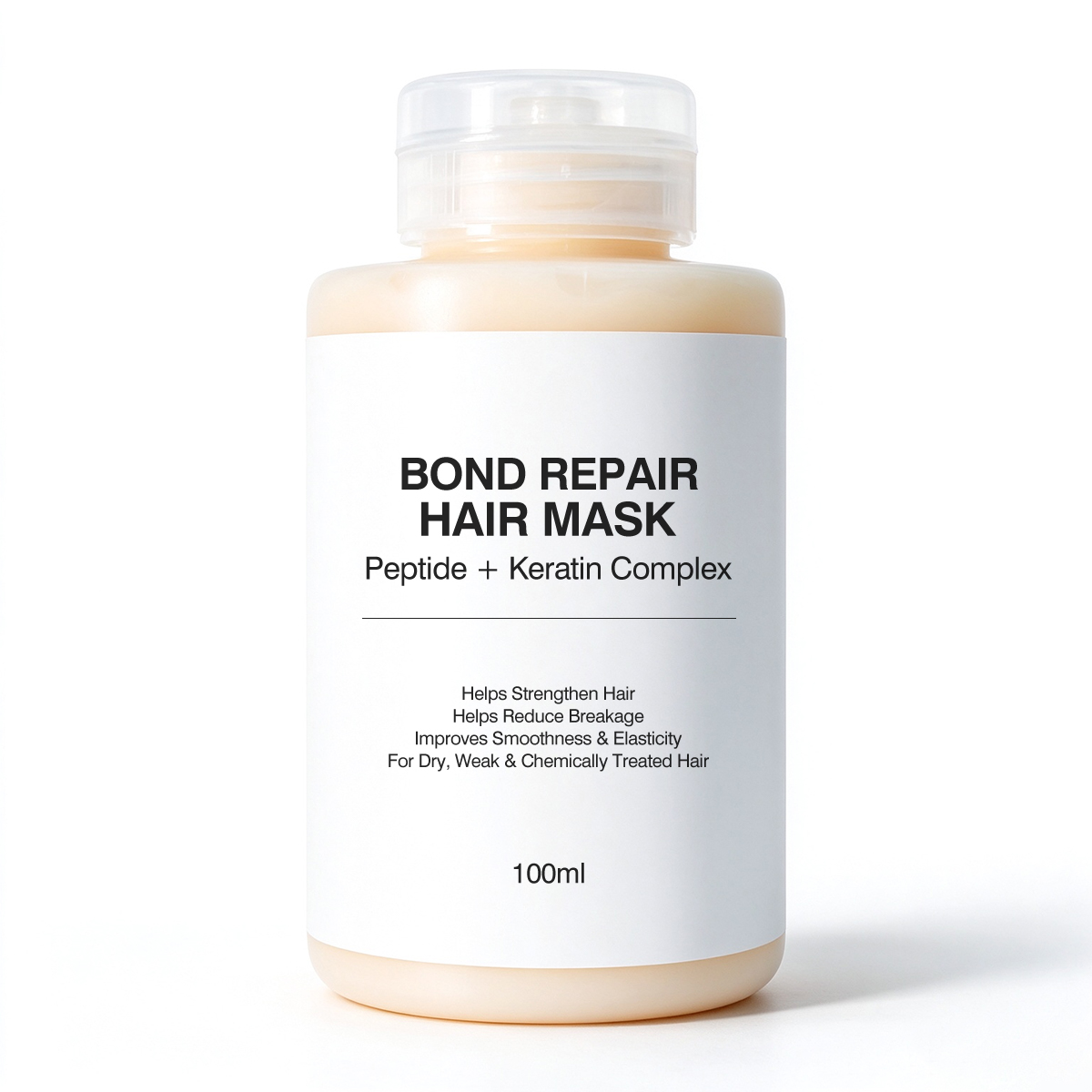
Peptide Keratin Bond Repair Hair Mask Deep Conditioning Treatment for Dry Weak Chemically Treated Hair Smooth Shine
View Product Details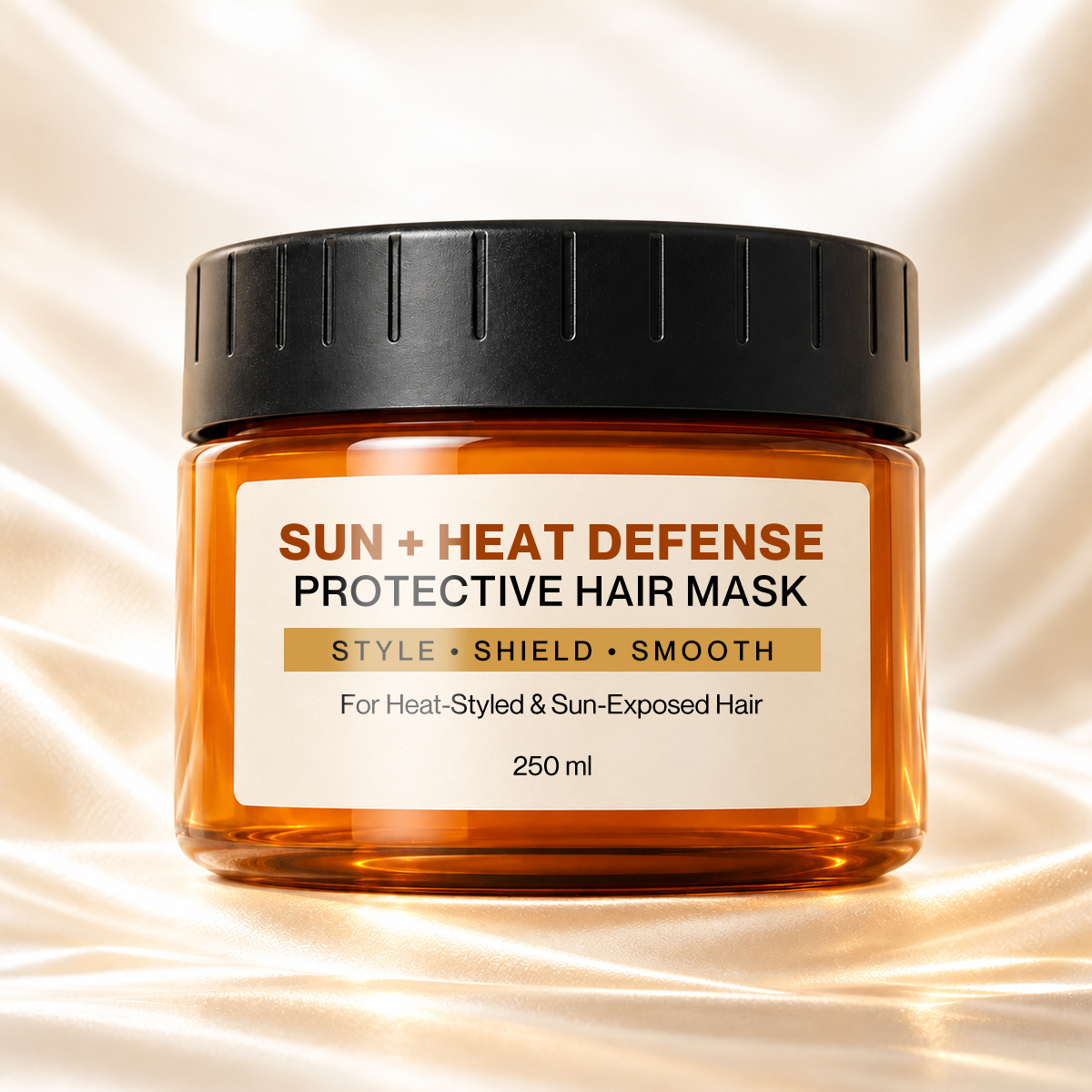
Sun Heat Defense Hair Mask for Heat Styled and Sun Exposed Hair Deep Conditioning Anti Frizz Smoothing Private Label OEM ODM
View Product Details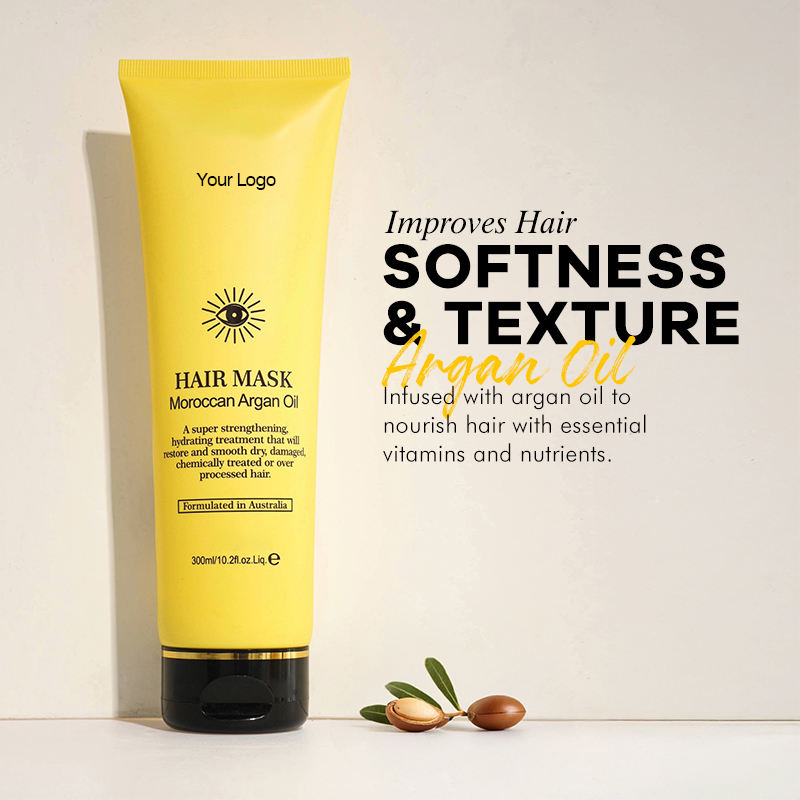
Private Label Natural Hair Care Products Nourishing Deep Repairing Treatment Cream Organic Natural Argan Oil Hair Mask Home Use
View Product Details
UV Veil Heat Defense Trigger Spray Color Lock Gloss Hair Mask Duo Kit Radiance Smooth Manageability Private Label
View Product Details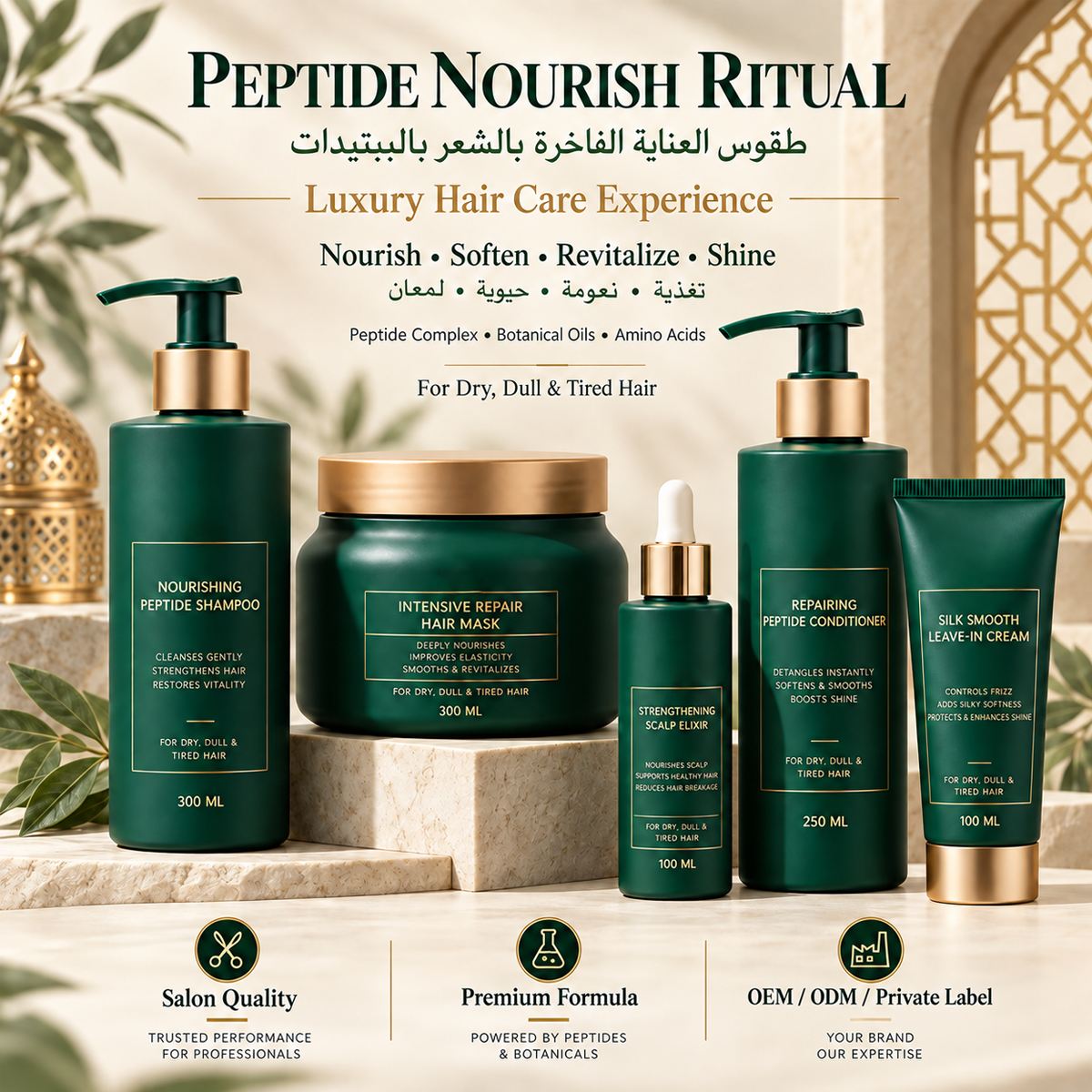
Peptide Botanical Hair Treatment Set Shampoo Conditioner Mask Scalp Elixir Leave in for Dry Dull Frizzy Hair OEM Private Label
View Product Details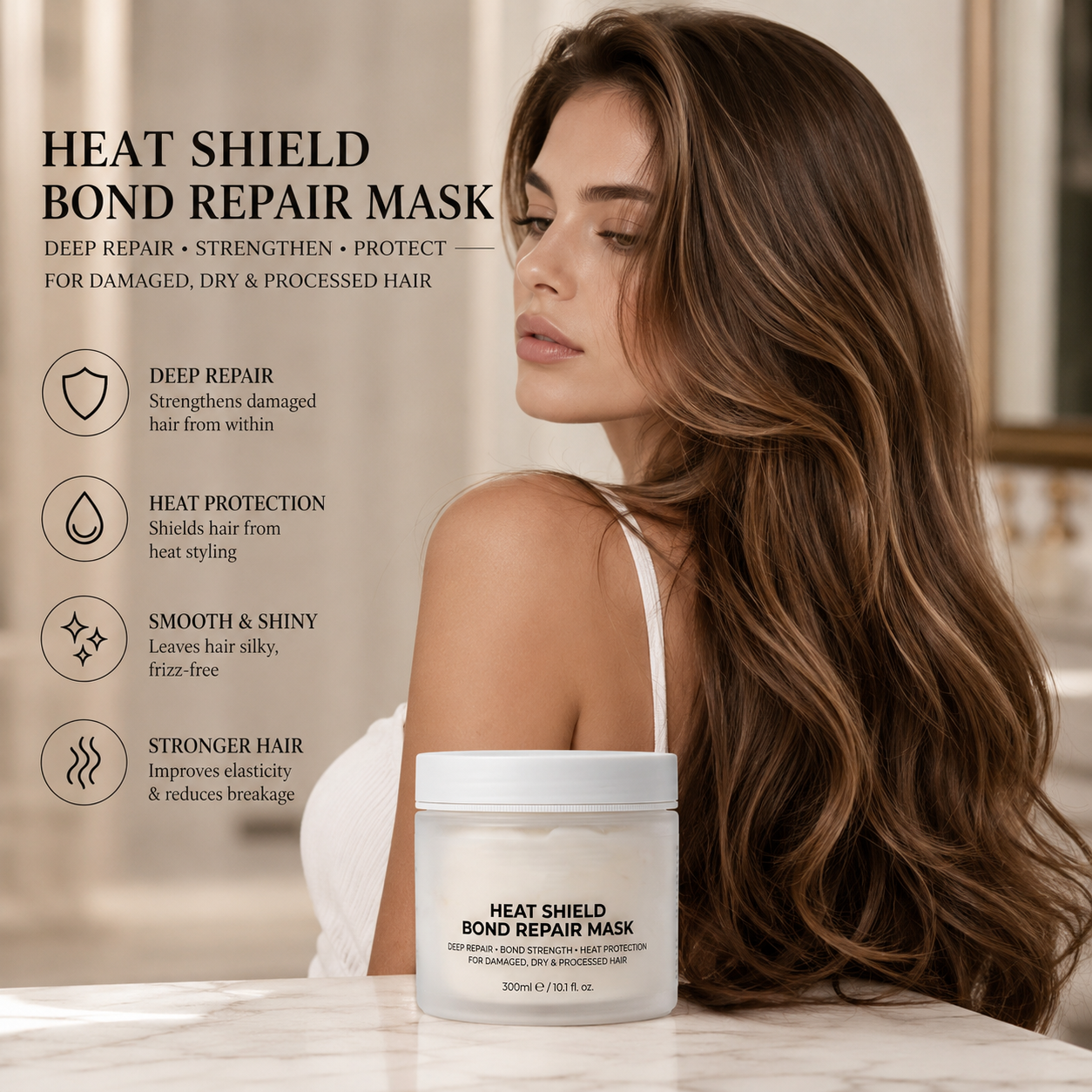
Private Label Heat Shield Bond Repair Cream Hair Mask Deep Repair Heat Protection Nourishing Dry Damaged Hair Custom Logo
View Product DetailsThe B2B Blueprint for Sourcing & Manufacturing Purple Shampoos
In the rapidly expanding global hair care domain, purple shampoo (also categorized as silver or anti-brassiness shampoo) has transitioned from a niche salon corrective potion into a permanent consumer wash-day essential. As consumers worldwide embrace blonde, silver, platinum, highlight, and balayage transformations, maintaining cool-toned pigments against underlying pheomelanin oxidation remains an ongoing challenge. For global brand owners, salon chain operators, and Amazon FBA distributors, partnering with qualified purple shampoo factories requires more than basic filling capabilities—it demands a deep understanding of direct pigment chemistry, surfactant mildness, cuticle pH tuning, and international regulatory compliance.
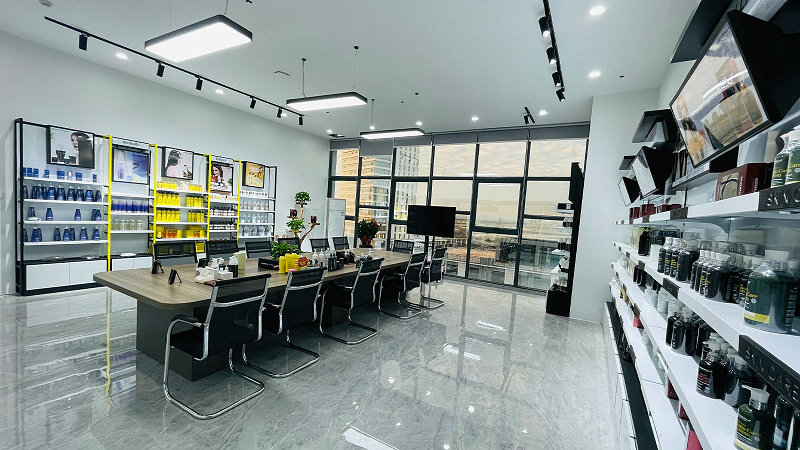
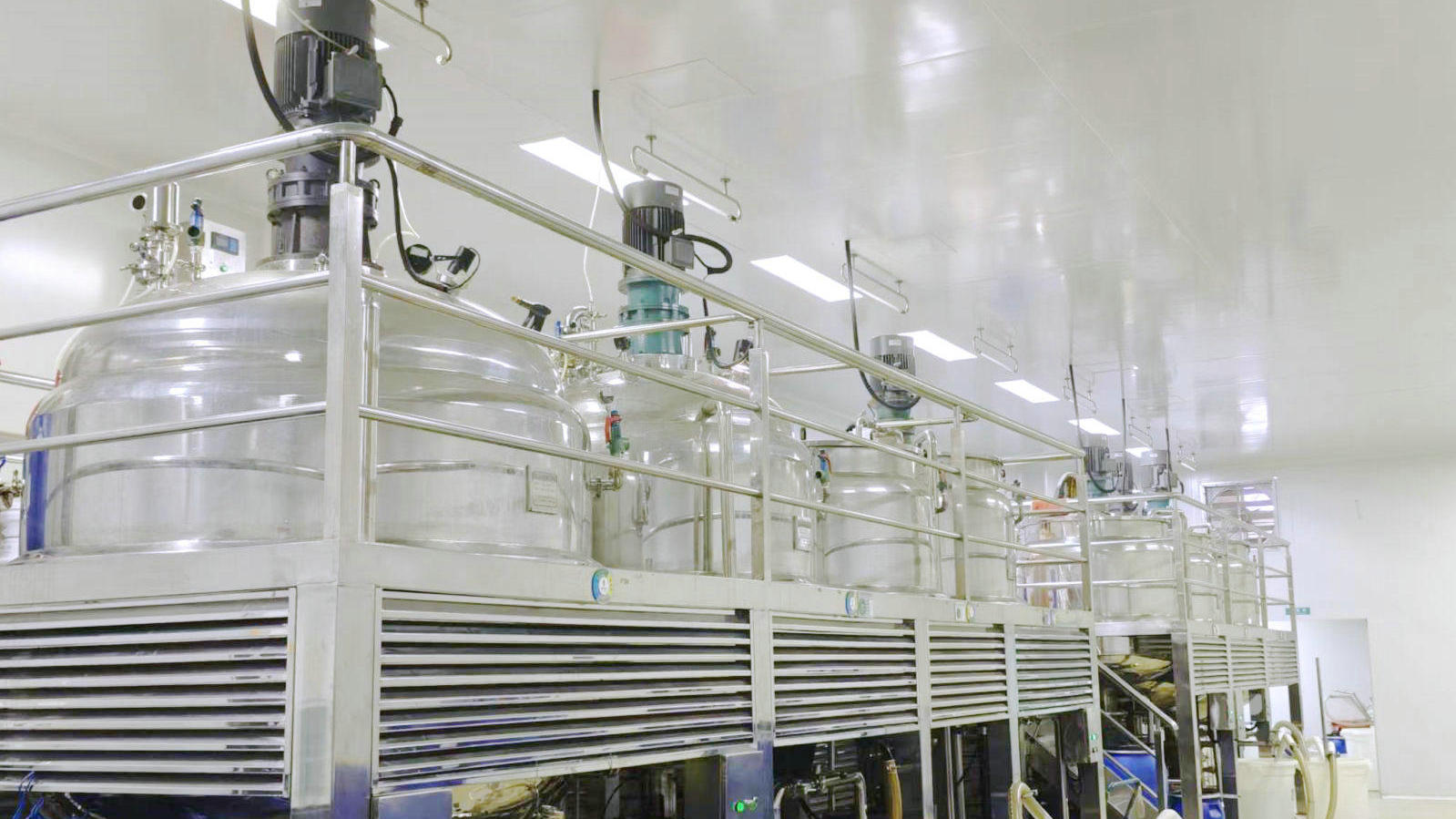
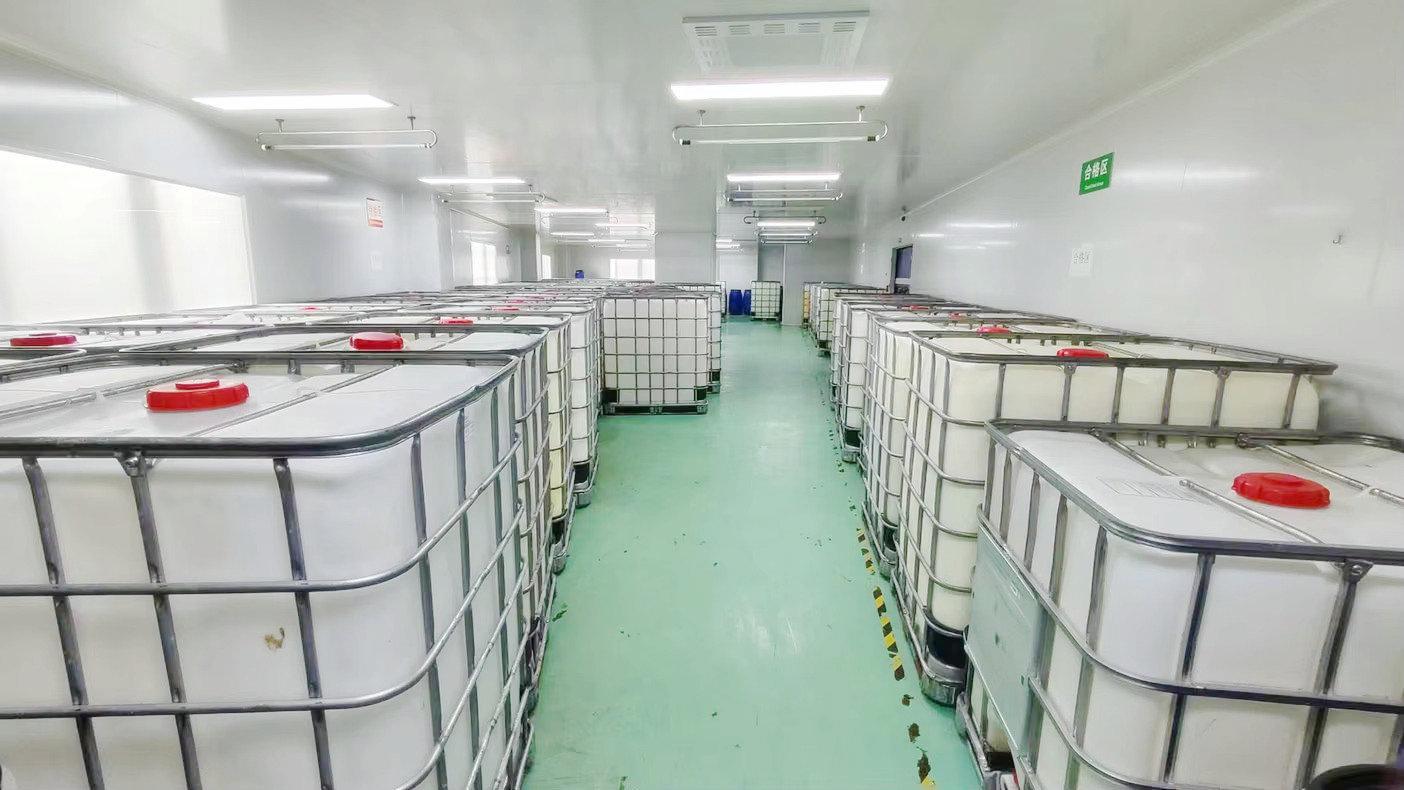
Guangzhou Kooswalla Cosmetics Co., Ltd. (operating under the international manufacturing standard brand Almaruiz) stands at the technical forefront of professional hair care OEM/ODM manufacturing. Operating a modern 12,800㎡ production facility verified on-site by SGS Group, our facility integrates high-precision optical spectrophotometry, automated multi-stage homogenizers, and micro-fluidic pigment dispersers. This whitepaper serves as an authoritative procurement manual to evaluate purple shampoo suppliers, understand key technical benchmarks, navigate upcoming procurement shifts, and deploy high-margin private label hair care lines.
OEM Technical Insights: Pigment Stoichiometry & Deposition Metrics
Standard retail purple shampoos often fail due to unstable color staining or uneven pigment dispersion. Guangzhou Kooswalla’s R&D team utilizes optimized CI 60730 (Ext. D&C Violet No. 2 / Acid Violet 43) molecular dispersion, paired with amphoteric surfactants to create a temporary dipole interaction with keratin fibers. This ensures maximum brassiness neutralization without staining hands or keratin cuticles irreversibly.
Core Engineering & OEM Manufacturing Modules
Scientific rigor, clean-room standards, and custom formula architecture designed for global hair care brands.
Pigment Stabilization
Using advanced micro-dispersion techniques, our violet pigments remain suspended indefinitely without settling, phase-separating, or leaching under accelerated thermal stress testing at 45°C.
pH Matrix Calibration
Formulated at a strictly controlled pH range of 4.8 to 5.2. This slightly acidic environment closes the hair cuticle locks in violet tone pigments, and boosts reflectivity for high shine.
Sulfate-Free Base System
Replacing harsh SLS/SLES with sodium cocoyl isethionate and cocamidopropyl betaine to protect freshly bleached hair fibers from moisture loss and strip-free cleansing.
Bond-Repair Synergy
Integrated hydrolyzed plant peptides and biomimetic amino acids rebuild damaged disulfide bonds inside the cortex simultaneously during pigment deposit cycles.
Flexible Batch Filling
Capable of executing small-batch test orders from 500 units up to 100,000 unit continuous production runs with automated inline vision-check capping and labeling.
Compliance & Export dossiers
Full support for international customs: MSDS, COA, INCI breakdown, Heavy Metal / Microbiological reports, and CPNP notifications for EU market compliance.
Formulation Comparison Matrix
Comparing technical specs across different tiers of purple shampoo manufacturing options.
| Technical Specification | Standard Mass-Market OEM | Premium Professional Salon OEM | Guangzhou Kooswalla Advanced OEM |
|---|---|---|---|
| Primary Active Dye | Basic Acid Violet 43 (un-purified) | CI 60730 + Direct Blue 99 | High-Purity CI 60730 + Phytocomplex Carrier |
| Surfactant Cleansing Agent | Sodium Lauryl Sulfate (SLS) | Sodium Laureth Sulfate (SLES) | 100% Sulfate-Free (SCI + Glutamate + Betaine) |
| Cuticle pH Level | pH 6.5 - 7.0 (Alkaline shift) | pH 5.5 - 6.0 (Neutral) | pH 4.8 - 5.2 (Isoelectric Cuticle Sealing) |
| Strengthening Additives | Minimal Silicones | Hydrolyzed Wheat Protein | Peptide Bond-Repair + Organic Argan/Rosemary Oil |
| Staining / Residue Risk | High risk of scalp/hand staining | Moderate hand staining | Zero cuticle staining; selective fiber uptake |
| Regulatory Dossiers | Basic MSDS only | MSDS + COA | Full CPNP (EU), MoCRA (US FDA), COA & Microbe Audit |
Future Product Development Trends in Anti-Brass & Tone Hair Care
The global demand for tone-correcting shampoo is evolving past basic pigment delivery. B2B buyers must align their brand pipelines with four major R&D shifts shaping the 2025–2030 product landscape:
1. Hybrid Bond-Building & Pigment Deposit Systems
Bleached hair suffers from compromised internal keratin bonds. Modern consumers refuse to choose between color correction and fiber strength. Future-proof purple shampoos feature dual-action architecture: restoring broken disulfide and hydrogen bridges with synthetic oligopeptides while depositing neutralizing counter-pigments in a single wash cycle.
2. Plant-Derived & Bio-Based Violet Complexing
With clean beauty regulations tightening globally, OEM labs are supplementing traditional synthetic colorants with natural violet botanicals—such as Eggplant Fruit Extract, Red Cabbage Anthocyanins, and Spirulina Extracts. Combining synthetic precision dyes with natural phytochrome complexes allows brands to claim "85%+ Natural Origin" while keeping salon-grade toning efficiency.
3. Anti-Pollution & Thermal Protection Additives
Yellowing is accelerated by hard water mineral buildup (copper/iron deposits), UV exposure, and thermal heat tools. Advanced purple shampoo formulations now incorporate tetrasodium glutamate diacetate (chelating agents) to strip tone-dulling heavy metals, alongside heat-reactive film formers that shield hair up to 230°C (450°F).
4. Scalp-Conscious Micro-Biome Neutral Formulation
Pigmented shampoos have traditionally been criticized for drying out the scalp micro-environment. The next generation incorporates prebiotic fermented extracts, rosemary oil, and hyaluronic acid to maintain scalp barrier integrity, preventing flaking and irritation even with frequent maintenance washes.
Future B2B Procurement Trends for Private Label Buyers
Navigating the global cosmetic supply chain requires agility, risk mitigation, and clear cost control. B2B procurement in the hair care category is experiencing structural transitions:
- Low MOQ Flexibility with Scalable Production: Emerging direct-to-consumer (DTC) brands and salon chains prefer ordering initial pilot runs (500–1,000 bottles) to validate market demand before committing to full 20ft container orders. Guangzhou Kooswalla supports flexible MOQs to lower market entry barriers for brand owners.
- Sustainable Packaging Integration: Retailers and consumers demand post-consumer recycled (PCR) plastics, lightweight refill pouches, and recyclable aluminum pump bottles. Factory partners must offer turnkey packaging sourcing that meets global circular economy guidelines.
- Regulatory Readiness (MoCRA & CPNP): The implementation of the US FDA's Modernization of Cosmetics Regulation Act (MoCRA) and EU CPNP mandates transparent facility registration, safety testing, and batch-level ingredient auditing. Working with an SGS-verified manufacturer ensures seamless import clearance without customs detention.
Enterprise Excellence: Guangzhou Kooswalla Cosmetics Co., Ltd.
Located in Guangzhou’s premier Shijing Industrial Zone, our factory represents the gold standard in OEM/ODM hair care manufacturing. With an 8+ year proven track record in global trade, we serve salon brands across North America, Europe, the Middle East, and Southeast Asia.
Our in-house R&D lab works directly with your purchasing managers to match custom scent profiles, adjust pigment density (light purple to intense midnight indigo), and refine viscosity for bottle dispensers or tubes.
Contact Us
Procurement FAQ: Sourcing Purple Shampoo
Essential answers to critical production, regulatory, and customization questions.
What is the minimum order quantity (MOQ) for private label purple shampoo?
Standard catalog formulations with custom logo printing on stock bottles typically start at 100 to 500 units per SKU. Fully customized chemical formulations, bespoke container molds, or custom silk-screened packaging usually require an MOQ of 1,000 to 3,000 units depending on packaging supplier requirements.
How do you prevent purple shampoo from staining skin and bathroom tiles?
Staining occurs when raw direct dyes are oversized or formulated at high alkaline pH levels. Our R&D lab uses cosmetic-grade micro-dispersed CI 60730 combined with anionic-amphoteric surfactant complexes and acidic pH balancing (pH 4.8–5.2). This causes pigment particles to selectively adhere to high-porosity bleached hair shafts while rinsing cleanly off skin and non-porous bathroom porcelain.
What compliance documents can your factory provide for international customs?
We provide full export registration documentation including Certificate of Analysis (COA), Safety Data Sheets (MSDS), Ingredient Breakdown lists (INCI), and Microbiological / Heavy Metal test reports. For European distribution, we assist with CPNP notification files, and for US sales, we ensure full alignment with FDA MoCRA requirements.
What is the standard production timeline from sample approval to delivery?
Formulation sampling and laboratory adjustment take approximately 7 to 15 working days. Once formula and packaging artwork proofs are confirmed, mass production and filling take 25 to 40 days. Sea freight shipping lead times vary by destination port (e.g., 15–20 days to US West Coast; 25–30 days to Europe).