Custom OEM Hair Treatment Manufacturer & Exporter
Private-label keratin, nanoplasty, bond repair, UV defense, heat protection and daily hair care engineered for salon chains, distributors and DTC brands that need reliable export-scale customization.
Eight Private-Label Hair Treatment Lines Ready for Your Brand
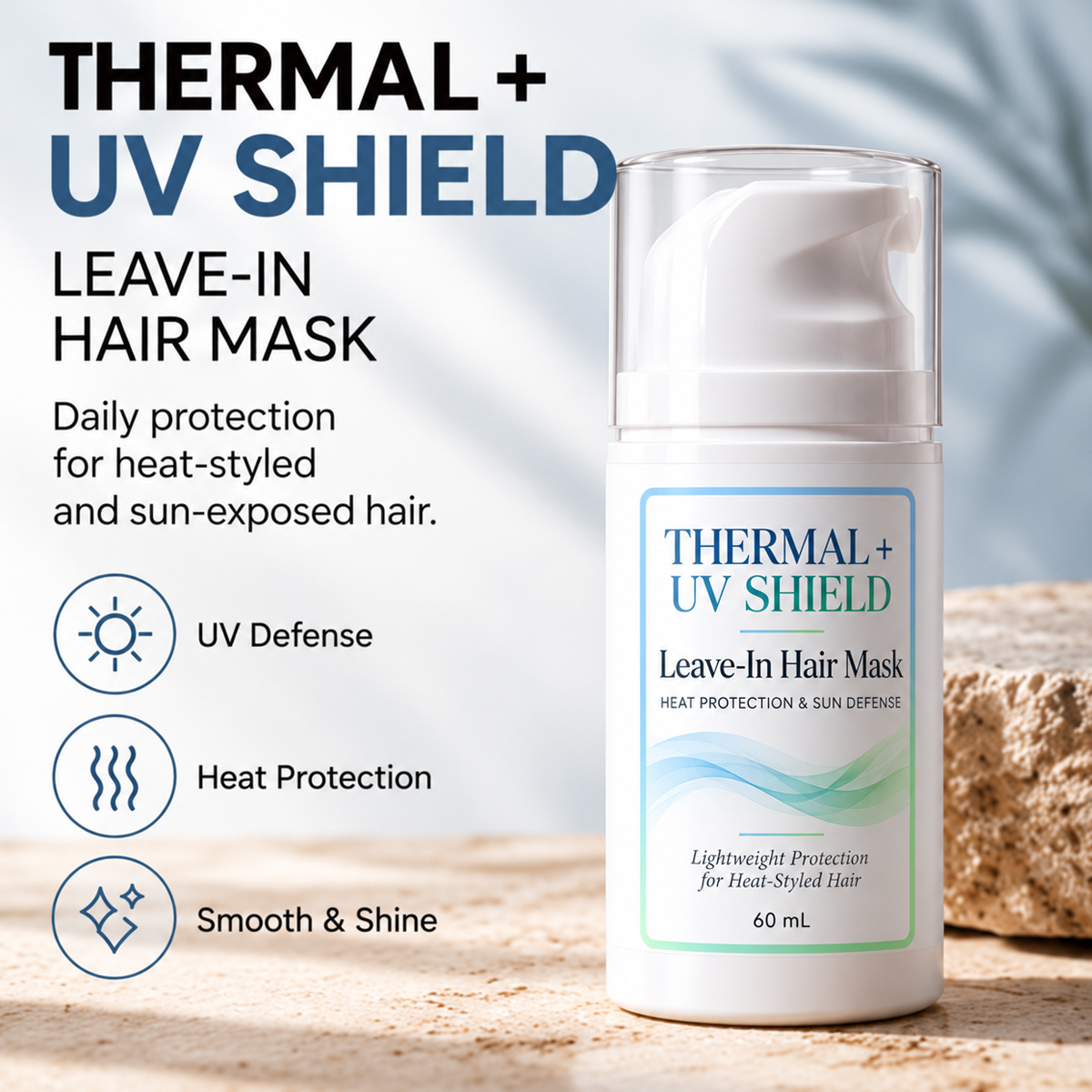
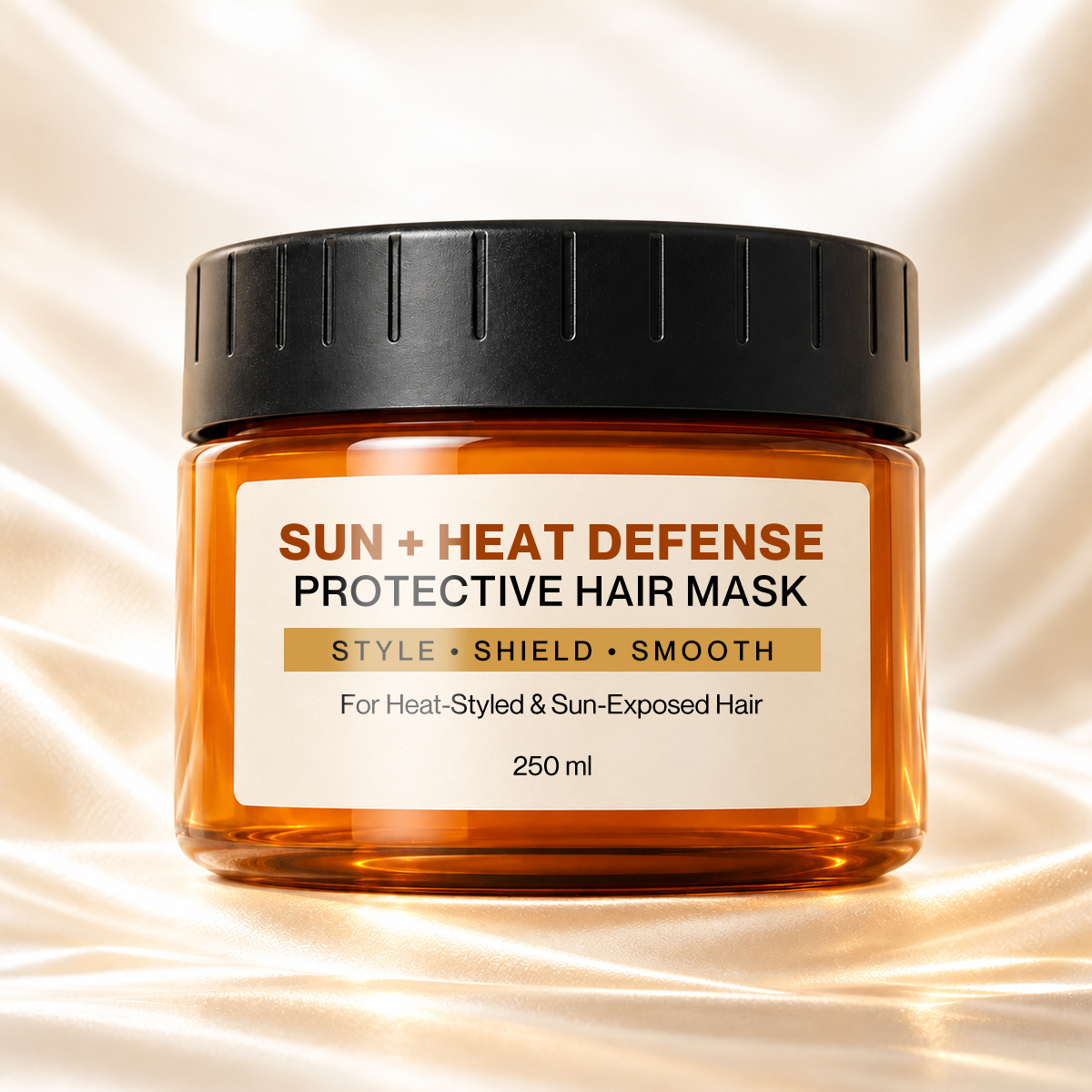
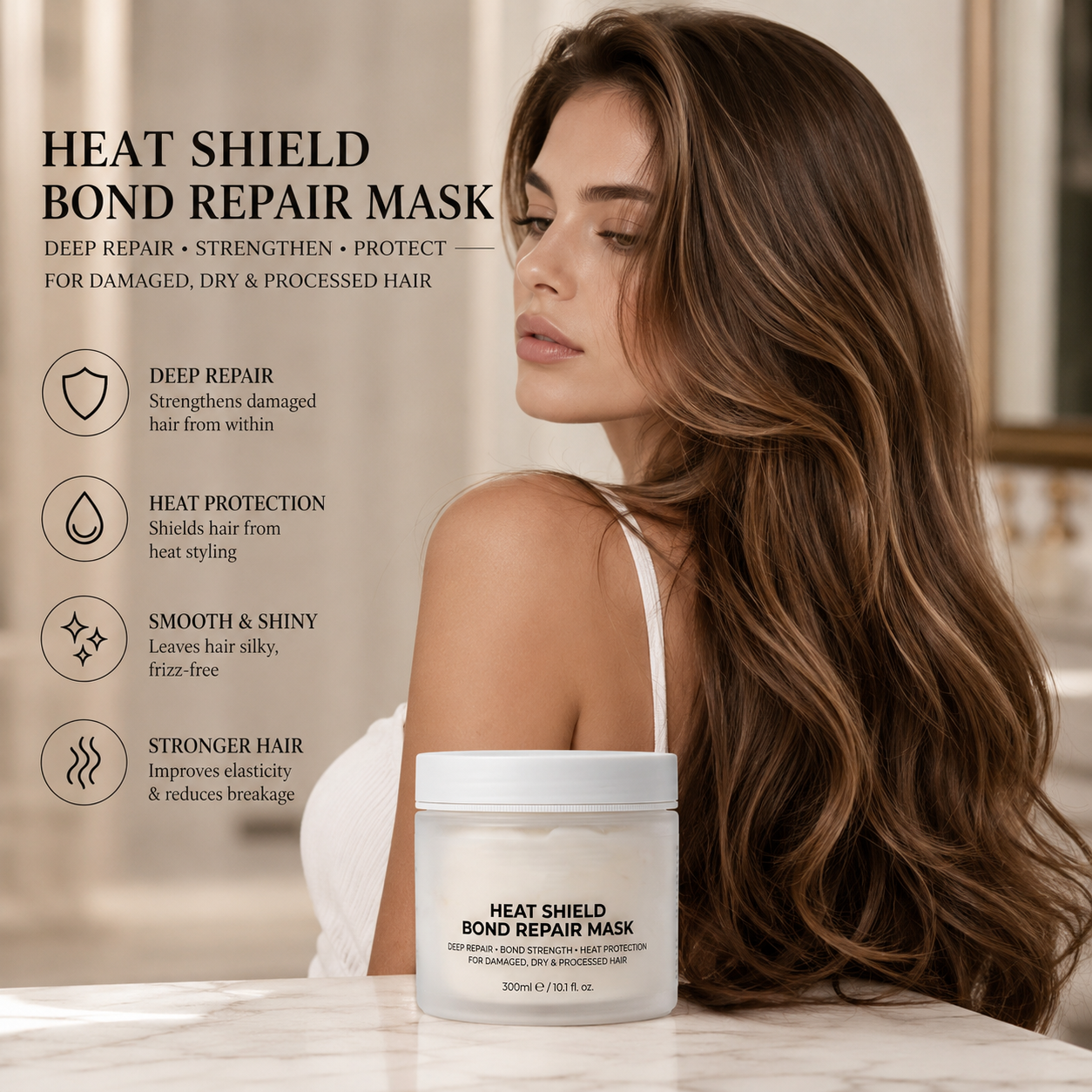
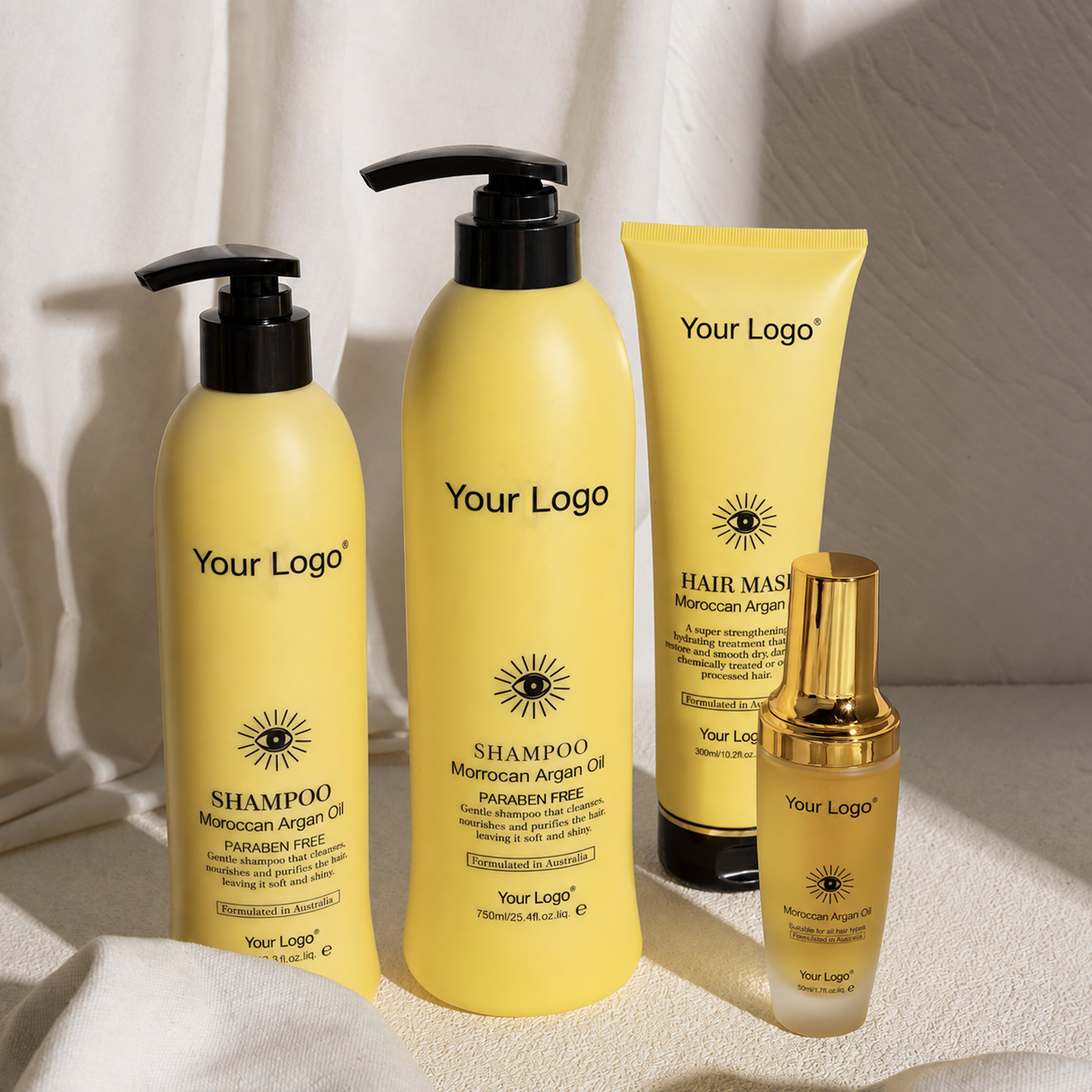
These are not generic catalogue images alone. Each product below represents a commercial route: a salon back-bar system, a retail bundle, a color-maintenance add-on or a protection-led leave-in. All eight product URLs are preserved so buyers can evaluate specifications, packaging and private-label options before requesting samples.




A Hair Treatment Exporter Built for Repeat Private-Label Orders
Trust is not created by a slogan. It is created by verifiable scale, documented quality control and a team that understands what happens after a sample is approved.
Why Global Buyers Shortlist Guangzhou Kooswalla Cosmetics
Guangzhou Kooswalla Cosmetics Co., Ltd. combines treatment-chemistry expertise with the supply-chain speed of the Shijing Industrial Zone. Our role is to turn a market brief into a stable, compliant and retail-ready product line.
In-House R&D for Treatment Chemistry
Our laboratory develops keratin, nanoplasty, bond-repair and botanical systems rather than simply filling generic bases. Formulators adjust pH, viscosity, fragrance, active levels and claims for each destination market. This matters because a smoothing treatment that performs well in humid climates may need a different film-forming balance in dry markets.
SGS-Verified 12,800㎡ Production Base
The factory has been verified on-site by SGS Group, covering production capability, testing instruments and supplier assessment procedures. Dedicated emulsifying, filling and capping lines support both 500-unit pilot batches and repeat container orders. Buyers can request a factory video, audit documentation or an on-site visit before committing.
Batch-Level Quality Control
Quality control begins with incoming raw-material checks and continues through in-process sampling, finished-goods inspection and retained samples. Ten testing instruments support routine verification. For private-label programs, batch records and retained samples help protect consistency when a buyer reorders six or twelve months later.
OEM, ODM and Private Label in One Workflow
Choose a proven catalogue formula for speed, or brief our R&D team for a differentiated formula. We support logo printing, bottle and jar sourcing, label artwork, gift-box assembly and retail-ready bundle development. This reduces the number of vendors a brand must manage before launch.
Export Documentation & Compliance Support
We prepare COA, MSDS, INCI ingredient lists and product specifications, and many professional treatments have CPNP notification support for the EU market. Requirements are reviewed per destination country. For buyers entering regulated markets, early documentation review is often more valuable than a lower quotation.
Export Logistics from Guangzhou
Sea, air and express shipments are coordinated from Guangzhou ports. Export cartons can be labeled to warehouse specifications, and production schedules are built around artwork approval and packaging lead times. Our team supports distributors across the Americas, Europe, the Middle East and Africa with repeat-order planning.
See the Manufacturing System Before You Approve the Formula
For a hair treatment brand, the difference between a good sample and a profitable product line is consistency. That is why we encourage buyers to evaluate the factory, not only the laboratory sample. Our facility in the Shijing Industrial Zone of Guangzhou brings raw-material sourcing, mixing, filling, packaging and export preparation into one coordinated process.
During sampling, the R&D team can review the target hair type, application method, fragrance profile, preservative system, packaging compatibility and regulatory market. During mass production, the QC team checks appearance, odor, pH, viscosity and fill weight against the approved standard. Retained samples are kept for traceability. This is the practical meaning of E-E-A-T in hair care manufacturing: experience in real orders, expertise in formulation, authority through third-party verification and trust through documentation.
- SGS on-site assessment covering production, testing and supplier procedures.
- 8+ years of export records with salon distributors, e-commerce brands and wholesalers.
- 4.9/5 average buyer rating for quality, communication and shipping follow-up.
- Address: Shijing Industrial Zone, Baiyun District, Guangzhou, Guangdong, China.

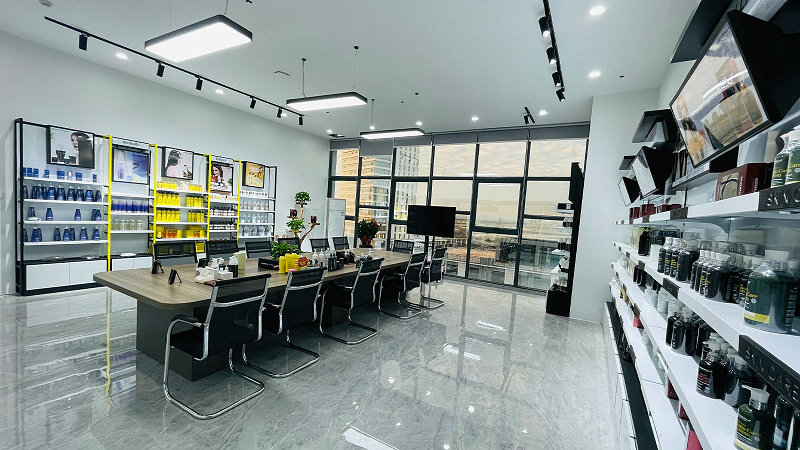
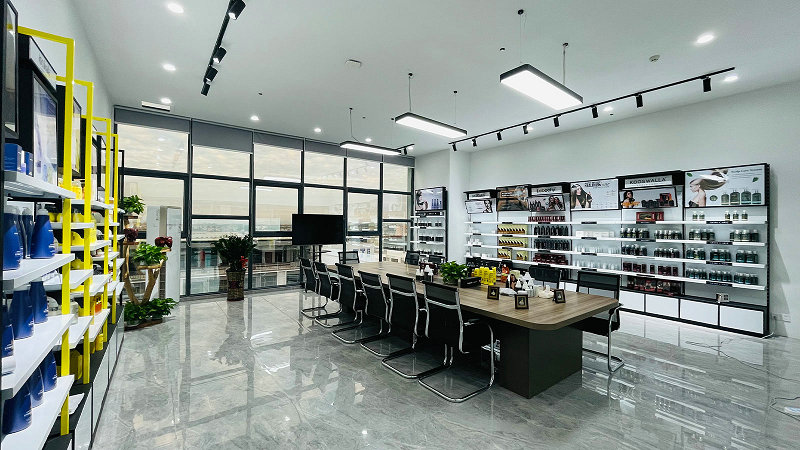
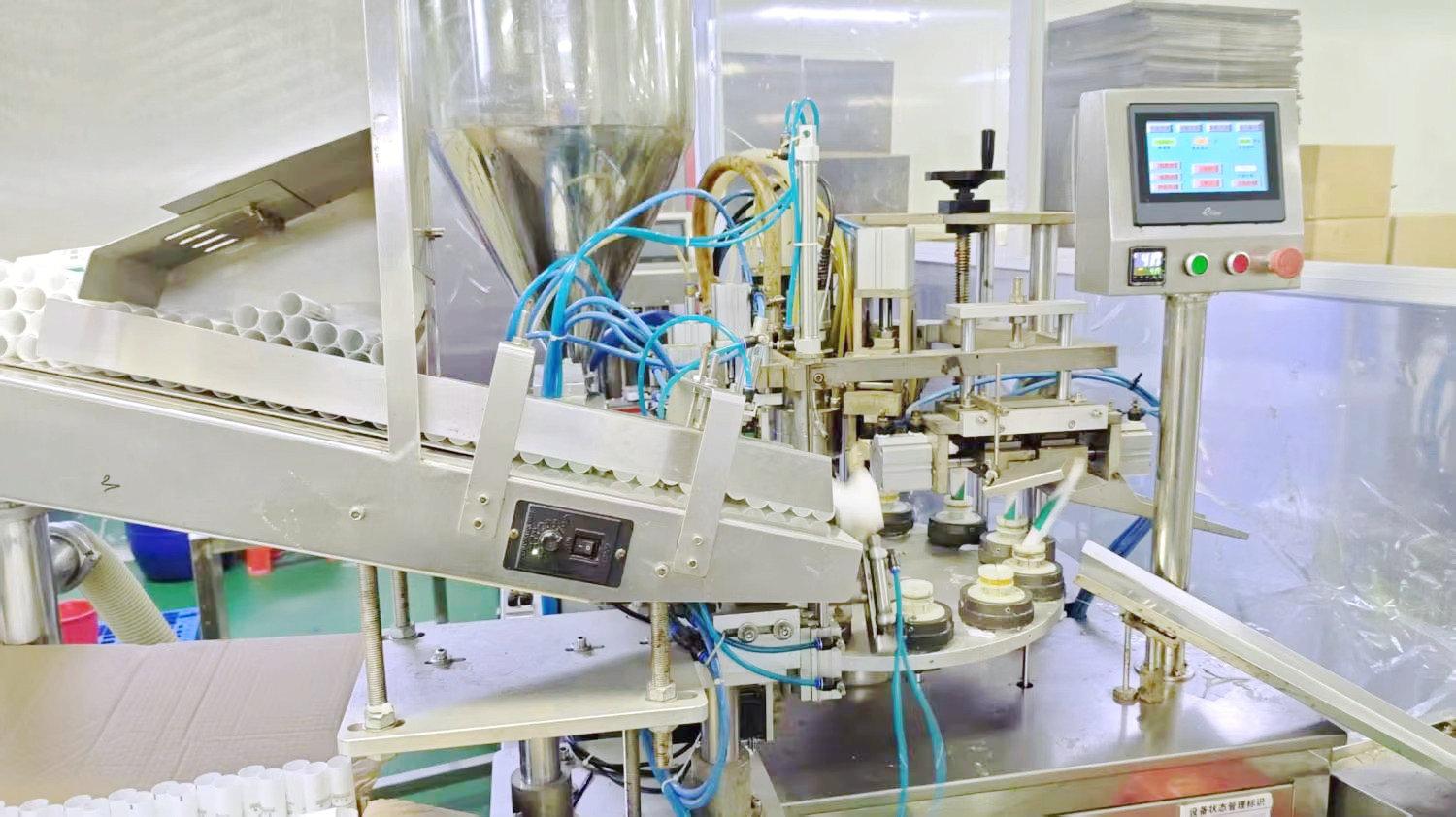
Buyer note: request the latest SGS report, product COA and packaging specification sheet before approving mass production. A serious OEM partner should welcome verification.
What Smart Hair Care Buyers Are Changing in Their Sourcing Strategy
The next buying cycle is not only about price per kilogram. Distributors are narrowing supplier lists around compliance, low-MOQ flexibility, retail storytelling and the ability to support repeat orders without formula drift.
Compliance-First Sourcing
Formaldehyde-free claims, INCI clarity, CPNP support and batch documentation are moving from “nice to have” to RFQ filters. In our export desk experience, buyers increasingly ask for the full ingredient list, packaging compatibility notes and target-market restrictions before they approve even a 500-piece trial. Suppliers that can answer these questions early win faster approvals.
Pilot Orders and Modular Launches
Brands are launching smaller, smarter ranges: one hero treatment, one take-home protector and one daily shampoo set. Catalogue formulas with logo customization typically start from 100–500 units per SKU, which lets buyers validate claims, packaging and sales velocity before committing to 1,000–3,000 units for fully custom projects. The winning supplier is the one that supports both pilot speed and scale-up discipline.
Service-to-Retail Continuity
Salon treatments are being sold with take-home maintenance. A keratin or nanoplasty service is stronger when the client leaves with a sulfate-free shampoo, UV defense leave-in or bond-repair oil. This increases basket value and protects the salon result. For distributors, the opportunity is to build matched service-and-retail kits rather than selling isolated SKUs.
Buyer Priority Signals for Private-Label Hair Treatment
Directional index based on typical private-label inquiry priorities in professional hair care. Use it as a planning prompt, not a substitute for your own market research.
Where Hair Treatment Innovation Is Moving Next
The most commercially useful innovation is not always the most exotic ingredient. It is the formula architecture that lets a brand make a clear claim, pass compliance review and keep repeat customers satisfied.
Clean Smoothing Without Losing Salon Performance
Formaldehyde-free keratin and nanoplasty systems based on amino acids and organic acids continue to gain attention in regulated markets. The technical challenge is to maintain smoothing performance, humidity resistance and shelf stability while improving the safety profile. Our R&D approach adjusts pH, active ratio, viscosity and fragrance to the target hair type rather than offering a single “universal” base.
Bond Repair Becomes a Daily Routine
Bond-repair technology is moving from salon-only service to retail maintenance. The N1/N2 professional system can be paired with N7 bonding oil, leave-in cream or a heat-shield mask. This creates a logical regimen: repair during service, protect at home, maintain with shampoo and conditioner. Brands that explain this routine clearly online often see stronger repeat purchase than brands that sell isolated hero products.
Protection Is the New Baseline
UV defense, thermal protection, color lock and anti-humidity claims are becoming standard expectations in leave-in masks, sprays and oils. For salons, the most persuasive story is practical: “protect the color you paid for.” For e-commerce, the same technology can be bundled into travel sizes, seasonal kits and after-sun recovery sets. Scalp care is also merging into treatment lines through anti-dandruff and soothing shampoo systems.
Which Hair Treatment Line Should You Launch First?
A common mistake is ordering a full catalogue before validating one commercial route. Use the three paths below to match your channel with the right first product bundle.
Salon Distributor Path
Start with: 1000ml keratin or nanoplasty back-bar treatment, N1/N2 bond-repair service set and 120ml leave-in maintenance. Why: salons need professional-sized products and a repeatable service story. Add 1000ml purifying shampoo to complete the smoothing protocol. Typical planning MOQ is 16–500 pieces depending on formula and packaging.
DTC & E-Commerce Path
Start with: sulfate-free rosemary or argan-oil shampoo and conditioner, coconut leave-in repair oil, UV defense thermal protection mask and a bond-repair gift kit. Why: online buyers respond to clear before/after routines, ingredient stories and bundle value. Low-MOQ catalogue formulas with custom logo are ideal for testing ads, packaging photos and influencer seeding.
Color Bar & Barber Path
Start with: heat-shield bond-repair cream, color-lock gloss mask, UV veil spray, natural dye shampoo and low-ammonia color. Why: color services create immediate need for aftercare. A duo kit or take-home pack increases average ticket value and builds a professional recommendation loop between barber, client and retail shelf.
Keratin vs. Nanoplasty vs. Bond Repair: A Practical Comparison
This comparison reflects the questions our R&D and export teams handle during sampling. Final specifications should always be confirmed against your destination market, hair type and salon application method.
Brazilian Keratin Smoothing
Proteins and smoothing actives are applied and sealed with flat-iron heat to reduce frizz and improve manageability. Buyers usually choose it for salon back-bar programs where fast blow-dry time and glossy results matter.
- Typical result: approximately 3–5 months.
- Channel: professional salon, 1000ml back-bar.
- Regulatory focus: formaldehyde-free versions for EU/US.
- Suggested starter MOQ: 16–500 pcs.
Nanoplasty
Nanoplasty systems use amino acids and organic acids to align and smooth the fiber with a lower-irritation positioning. It suits premium salons and brands that want a “cleaner smoothing” story without abandoning performance.
- Typical result: approximately 3–6 months.
- Channel: premium salon and professional distributor.
- Regulatory focus: ingredient-list review per market.
- Suggested starter MOQ: 500 pcs.
Bond Repair (Plex) System
Bond-repair actives are designed to support broken disulfide bonds during bleach, color and perm services. The strongest commercial model pairs a professional service with a retail take-home routine.
- Typical result: cumulative improvement with regular use.
- Channel: salon service plus retail N1/N2/N7.
- Regulatory focus: broad retail suitability with correct claims.
- Suggested starter MOQ: 100–500 sets.
From Brief to Delivered Container in Six Controlled Steps
A transparent process protects both sides. Buyers know what is happening next; the factory knows which approval gates cannot be skipped.
Brief & Consultation
Define target market, hair type, price point, claims, packaging format and expected launch volume.
Day 1–3Formula Development
Select a catalogue base or build a new formula; adjust actives, fragrance, pH and viscosity.
Day 3–10Sampling & Testing
Send samples for salon trial; verify stability, appearance, odor and application performance.
7–15 daysPackaging & Artwork
Source bottles, jars or pouches; prepare label artwork and approve packaging proofs.
10–20 daysProduction & QC
Batch production, filling, capping, labeling and finished-goods inspection against the approved standard.
25–40 daysShipping & Documents
Issue COA, MSDS, INCI and export paperwork; dispatch by sea, air or express from Guangzhou.
On scheduleQuestions Buyers Ask Before Their First Hair Treatment Order
Straight answers on MOQ, sampling, compliance, formulation and factory verification help shorten the RFQ stage.
What is the minimum order quantity for private-label hair treatment?+
Standard catalogue formulas with your logo typically start from 100–500 units per SKU depending on the product and packaging. Fully custom formulas and custom packaging usually start from 1,000–3,000 units. Final MOQ is confirmed after the packaging brief, because bottle, pump, tube and gift-box selection can change the production line setup.
How long do sampling and mass production take?+
Sampling usually takes 7–15 working days. Mass production typically takes 25–40 days after artwork and packaging approval, depending on order volume and packaging materials. For seasonal launches, book packaging and artwork approvals early; the formulation is rarely the bottleneck compared with custom decoration and carton production.
Can you develop a formaldehyde-free keratin or nanoplasty formula?+
Yes. Our R&D team develops formaldehyde-free smoothing systems based on alternative actives such as amino acids and organic acids. We adjust pH, viscosity, fragrance and performance to the target market. Buyers should specify the destination country, expected claims and salon application method so the formula can be matched to local requirements.
Which documents can you provide for import registration?+
We can provide COA, MSDS, INCI ingredient lists and product specifications. Many professional treatments have CPNP notification support for the EU market, while other markets require separate review. Documentation should be checked before mass production so label claims, ingredient naming and packaging text are aligned with the destination regulation.
Is the factory audited by a third party?+
Yes. Our facility has been verified on-site by SGS Group, covering production capability, testing instruments and supplier assessment procedures. Buyers can request the latest verification profile, schedule a video walkthrough or plan an on-site visit to Guangzhou. For repeat orders, we also retain batch samples for traceability.
Can you handle packaging, logo and retail bundle design?+
Yes. We support bottle, jar, tube, pouch and gift-box sourcing, label artwork coordination, logo printing and retail-ready bundle assembly. For brands launching on Amazon, salons or distributor shelves, we can help match packaging format to the sales channel, then confirm fill weight, carton dimensions and label claims before production.
Ready to Build a Hair Treatment Line Buyers Can Trust?
Share your target market, product idea and packaging direction. Our team will respond with formula options, realistic MOQ guidance, documentation requirements and a sampling plan. For buyers comparing OEM hair treatment manufacturers and exporters, the fastest way to evaluate fit is to test communication, sampling discipline and compliance support before placing a bulk order.