
Custom Logo Organic Moisturizing Coconut Oil Leave-In Repair Oil
Deep moisturizing frizz control, heat protection, and shine enhancement for compromised cuticles.
Explore our top-performing hair masks, scalp treatments, and repair serums engineered for international cosmetic distributors, professional salons, and private label e-commerce brands.


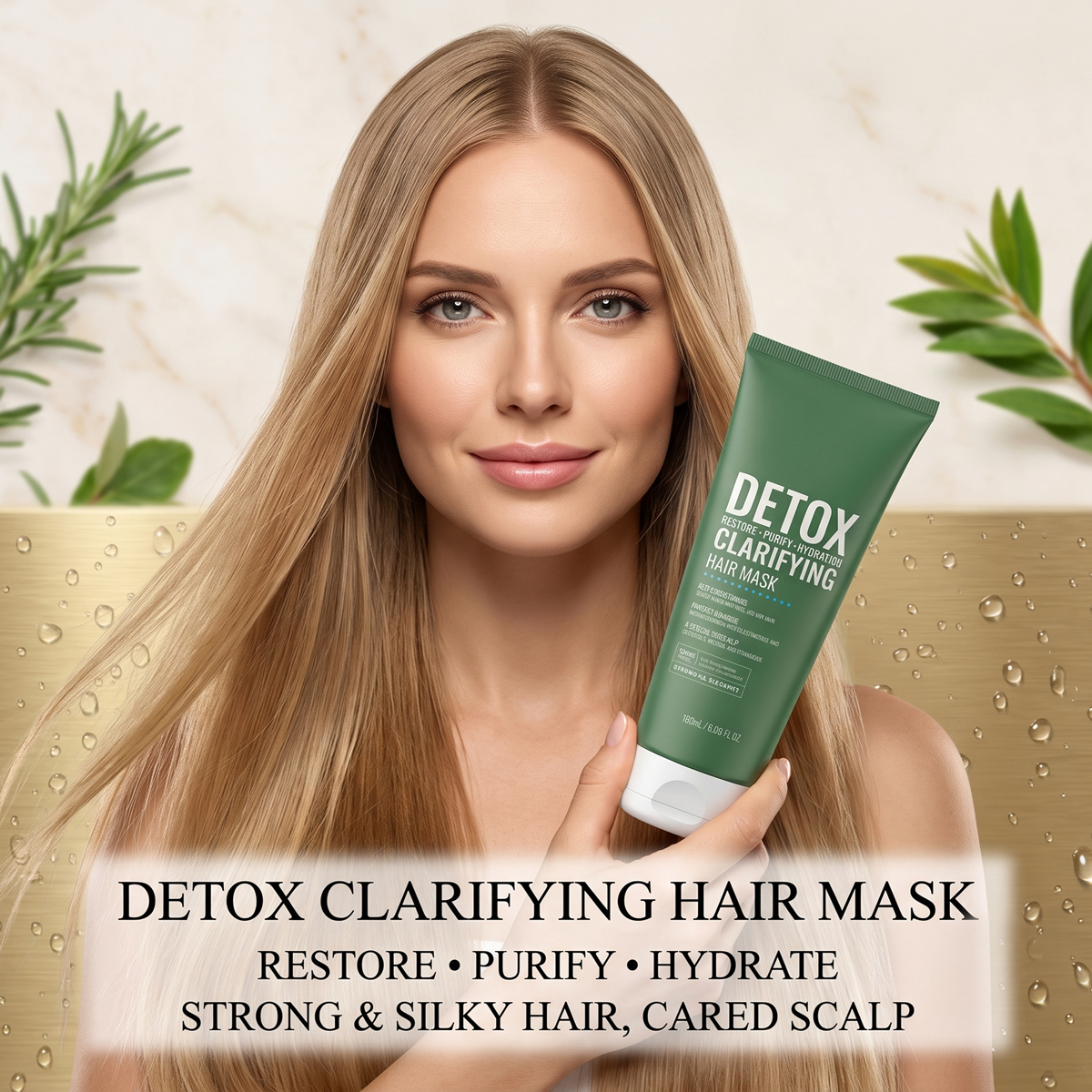
An authoritative research overview on formulation dynamics, standardized terpinen-4-ol extraction, scalp microbiome homeostasis, and OEM contract manufacturing standards.
The international hair care landscape is undergoing a structural paradigm shift. Driven by clean beauty imperatives, consumers are migrating rapidly from silicon-heavy conditioning formulas toward bio-functional scalp treatments. At the apex of this market transition stands the Tea Tree Hair Mask—a hybrid formulation that bridges professional dermatological scalp care with luxury hair cuticle rehabilitation. As major brands seek to capitalize on this demand, China has emerged as the global epicenter for high-volume, technological manufacturing of premium tea tree oil (Melaleuca alternifolia) formulations.
Unlike standard rinse-off conditioners that rely primarily on cationic surfactants to coat the hair shaft, a professional-grade tea tree hair mask acts directly on the scalp microenvironment. The efficacy of tea tree oil is fundamentally governed by its chemical composition, specifically its concentration of Terpinen-4-ol, α-terpineol, and 1,8-cineole. Leading Chinese OEM factories utilize steam-distilled, pharmaceutical-grade Melaleuca alternifolia leaf oil, ensuring Terpinen-4-ol levels consistently exceed 38–42% while keeping 1,8-cineole below 3% to prevent epidermal irritation.
From an etiology perspective, scalp distress—manifesting as seborrheic dermatitis, follicular congestion, hyper-keratinization, and persistent pruritus—is frequently linked to the overproliferation of lipophilic Malassezia yeast species (predominantly Malassezia globosa and M. restricta). These fungi hydrolyze scalp triglycerides into free fatty acids, triggering inflammatory cascades and accelerating epidermal turnover. Standard tea tree hair masks developed in our Guangzhou R&D facility integrate micro-encapsulated tea tree oil combined with zinc PCA and salicylic acid (BHA). This tripartite matrix selectively inhibits fungal membrane synthesis, regulates sebum oxidation rates, and gently exfoliates dead stratum corneum cells without stripping essential moisture.
Achieving structural balance in tea tree hair masks requires solving a primary cosmetic chemistry challenge: delivering volatile essential oils to the scalp while simultaneously repairing porous, hydrophobic hair ends. Our factory utilizes high-pressure homogenizers operating at 1,000 bar to reduce emulsion droplet sizes down to the sub-micron scale (100–300 nm). Nano-emulsified tea tree lipid particles penetrate deeper into the hair follicle sheath, creating a lingering antimicrobial reservoir that remains active even after rinsing.
Simultaneously, the conditioning phase incorporates hydrolyzed wheat protein, biomimetic ceramides, and cold-pressed jojoba or coconut oils. These actives fill intercellular cement voids along damaged cuticles caused by thermal styling, chemical bleaching, and environmental oxidants. The resulting rheological curve delivers a rich, buttery sensory texture with high yield stress, ensuring the mask clings effortlessly to wet hair without slipping into the eyes during professional salon treatments.
Key industry shifts that global buyers, brand owners, and supply chain directors must evaluate to maintain a competitive market edge.
Next-generation buyers are moving away from raw essential oils toward polymeric micro-encapsulation. Encapsulated tea tree release systems isolate active terpene molecules, protecting them against thermal degradation and oxidation while delivering timed-release cooling relief on the scalp for up to 24 hours post-wash.
Regulatory scrutiny across Europe and North America demands strict elimination of parabens, phthalates, synthetic MIT/CMIT preservatives, and formaldehyde releasers. Forward-thinking factories formulate with natural ferment-derived preservatives (e.g., Leuconostoc/Radish Root Ferment) paired with full CPNP notification files.
Driven by rising ocean freight costs and carbon offset initiatives, wholesalers are commissioning high-density, low-water tea tree paste masks and concentrated solid bars. These formulations dramatically reduce shipping weights per unit while offering ultra-rich, luxury sensory experiences to retail consumers.
As a leading SGS-verified hair care manufacturer operating from Guangzhou's premier cosmetics manufacturing corridor, we provide turnkey OEM, ODM, and private label solutions tailored to global distribution requirements.
We support diverse business models ranging from emerging digital DTC brands to established international salon chains.
Understand key chemical, operational, and positioning differences across our core hair treatment manufacturing lines.
| Formulation Category | Primary Actives | Target Scalp / Hair Issue | pH Range | Recommended MOQ | Primary Target Channel |
|---|---|---|---|---|---|
| Tea Tree Scalp Detox Mask | Tea Tree Oil, Salicylic Acid, Zinc PCA, Peppermint | Dandruff, Excess Sebum, Follicle Clogging, Pruritus | 4.5 – 5.5 | 500 – 1,000 pcs | Dermatological Retail / Trichology Clinics |
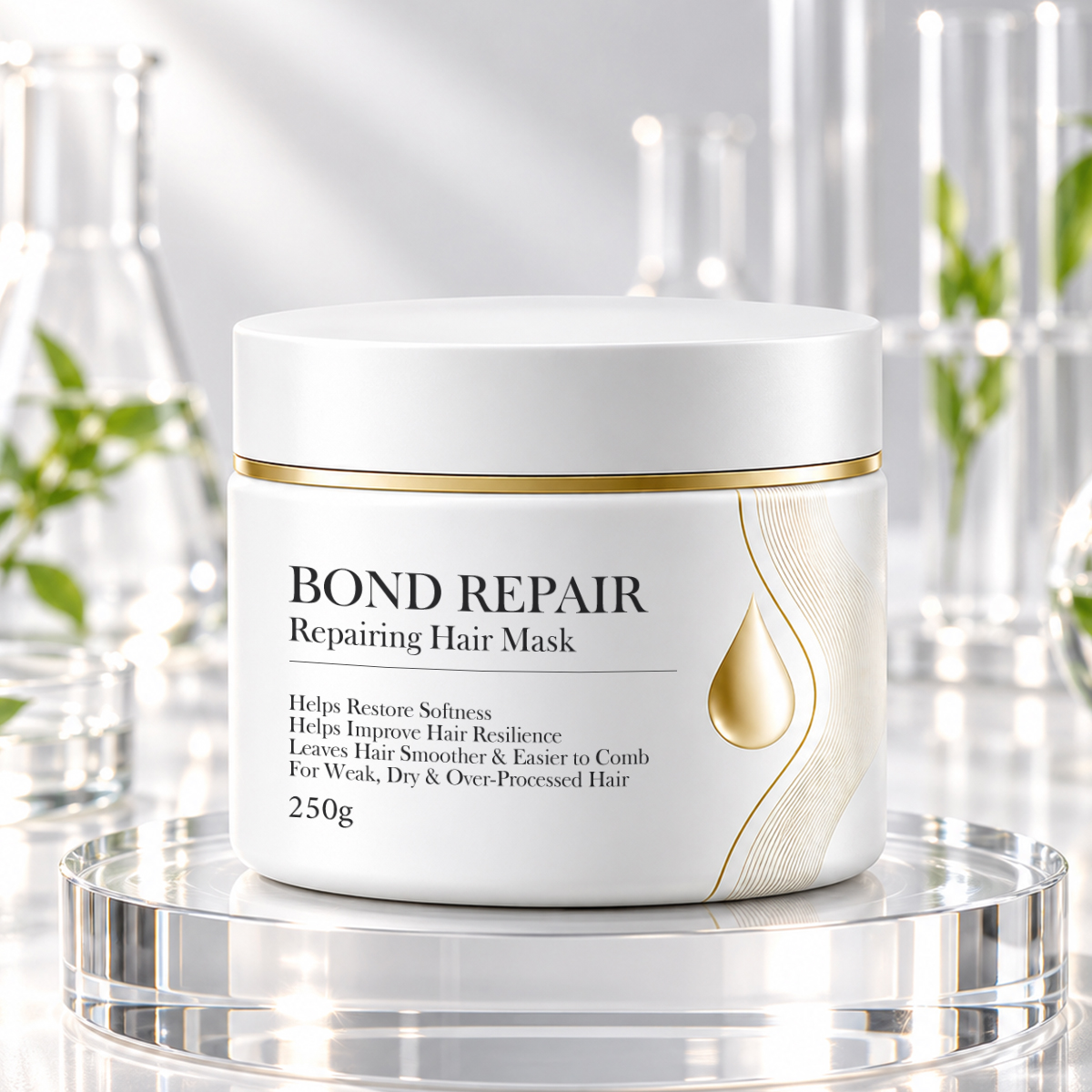
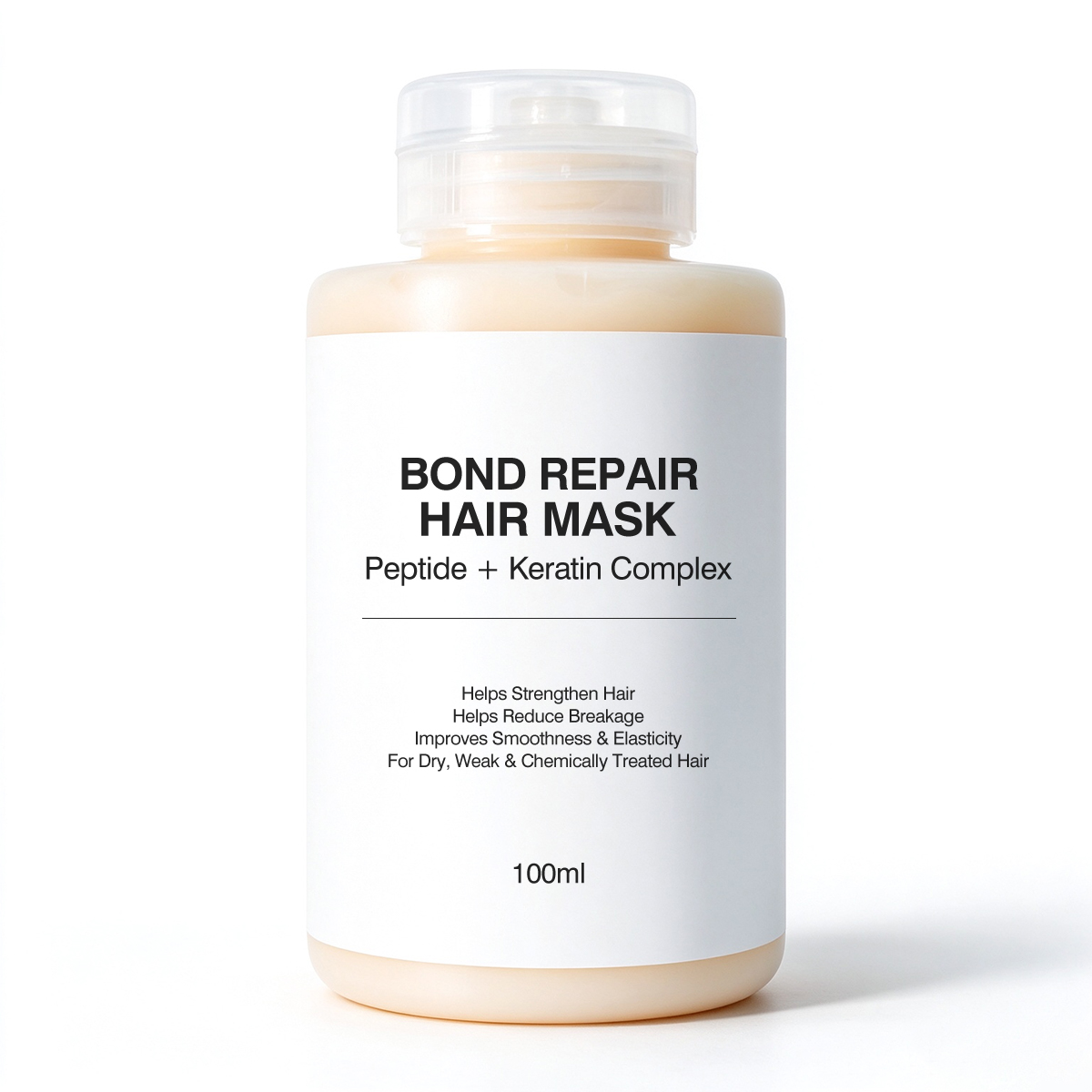
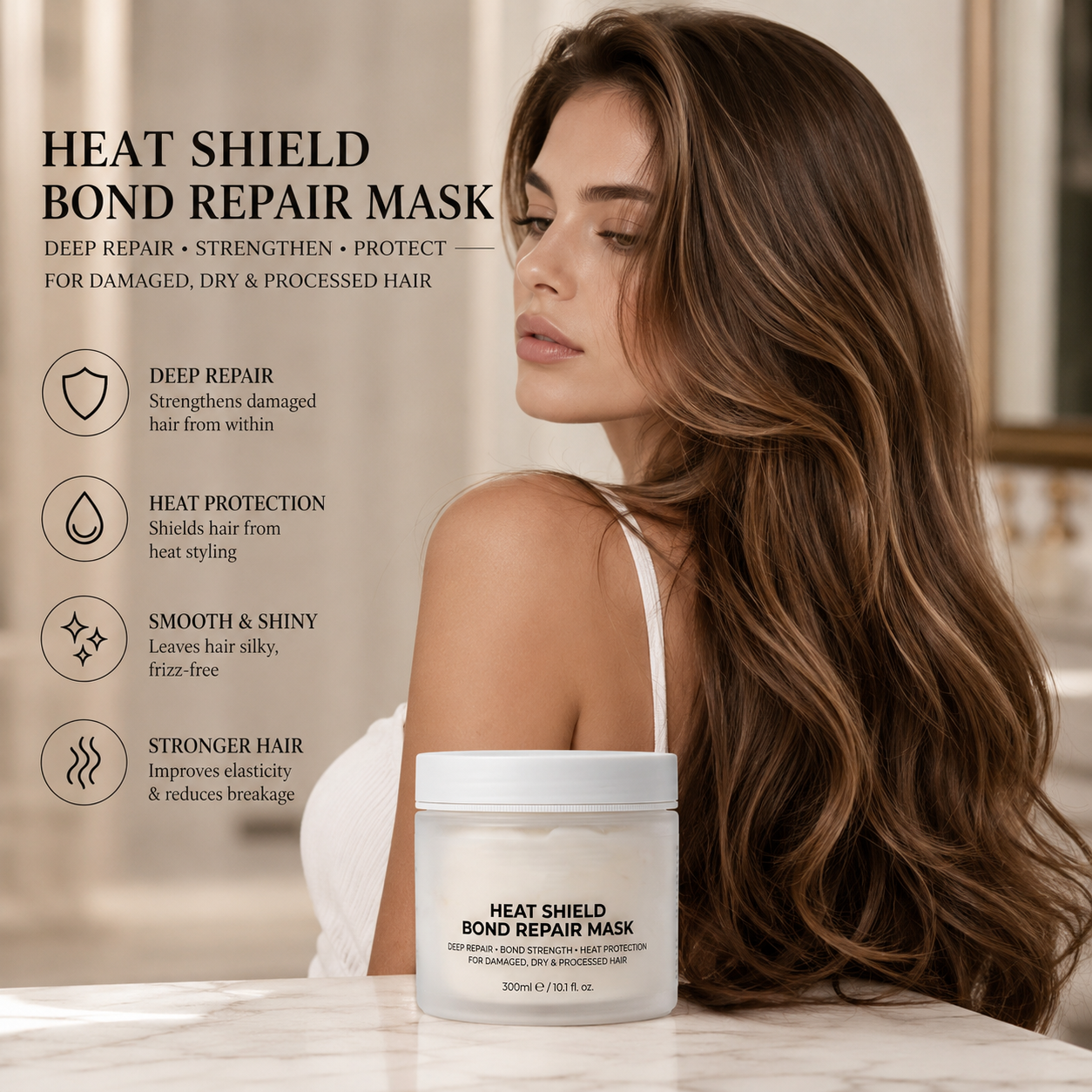
| Biomimetic Bond Repair Mask | Ceramide NP, Tripeptides, Hydrolyzed Keratin | Chemical Bleach Damage, Disulfide Bond Breakage | 3.8 – 4.5 | 500 pcs | Professional Hair Salons & Colorists |
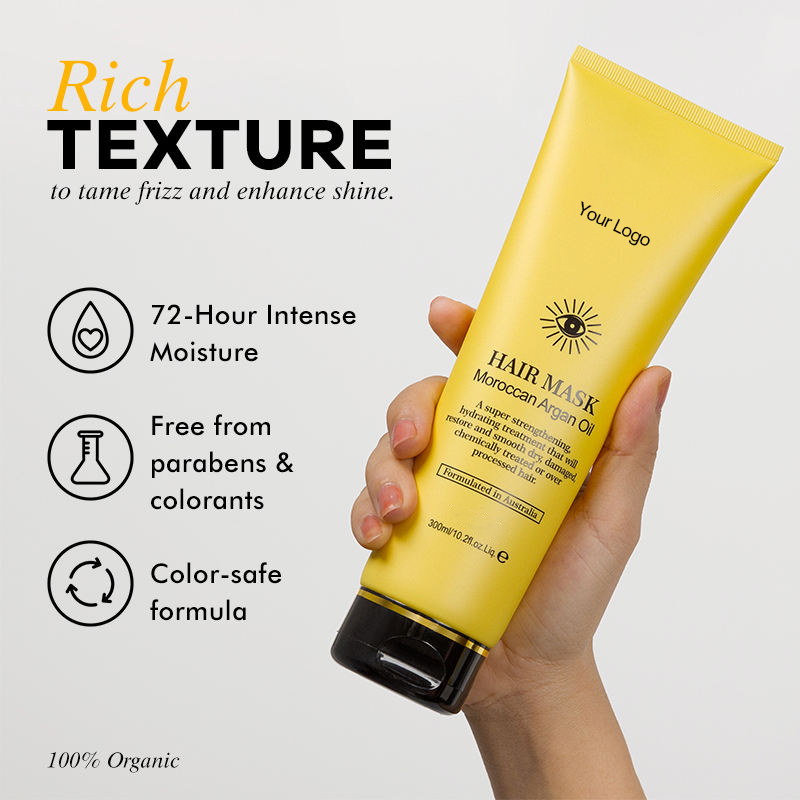
| Hydrating Argan & Coconut Mask | Cold-Pressed Argan Oil, Coconut Lipids, Shea Butter | Coarse Frizz, Cuticle Dehydration, Split Ends | 5.0 – 6.0 | 300 – 500 pcs | Mass Market Retail & E-Commerce DTC |
| Vegan Amino Acid Repair Mask | Plant Protein Complex, Sodium Hyaluronate | Sensitized Scalp, Environmental Urban Damage | 4.8 – 5.2 | 1,000 pcs | Clean Beauty Specialty Stores (EU/US) |
Clear, direct answers regarding factory MOQs, OEM lead times, regulatory compliance, and formulation customization.