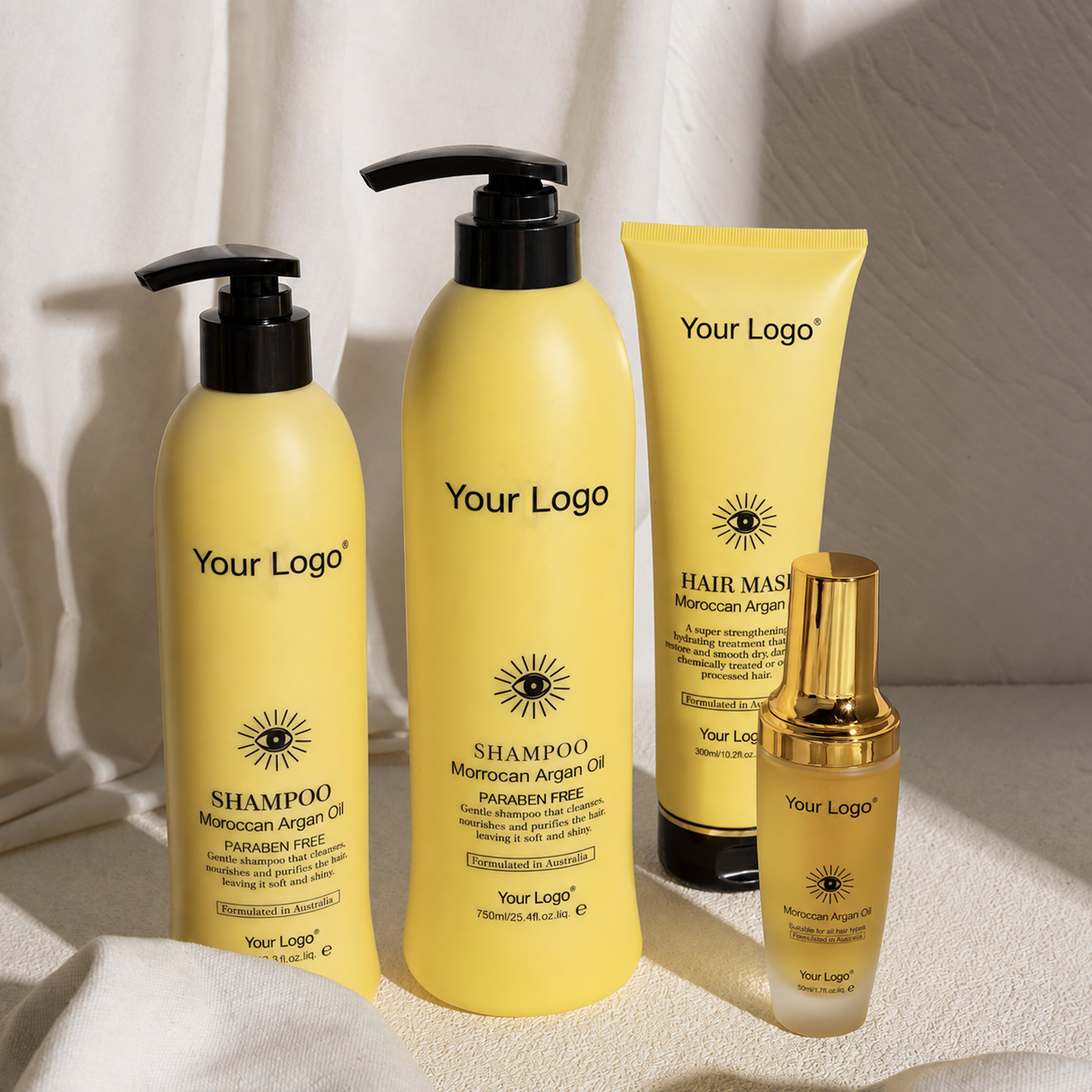
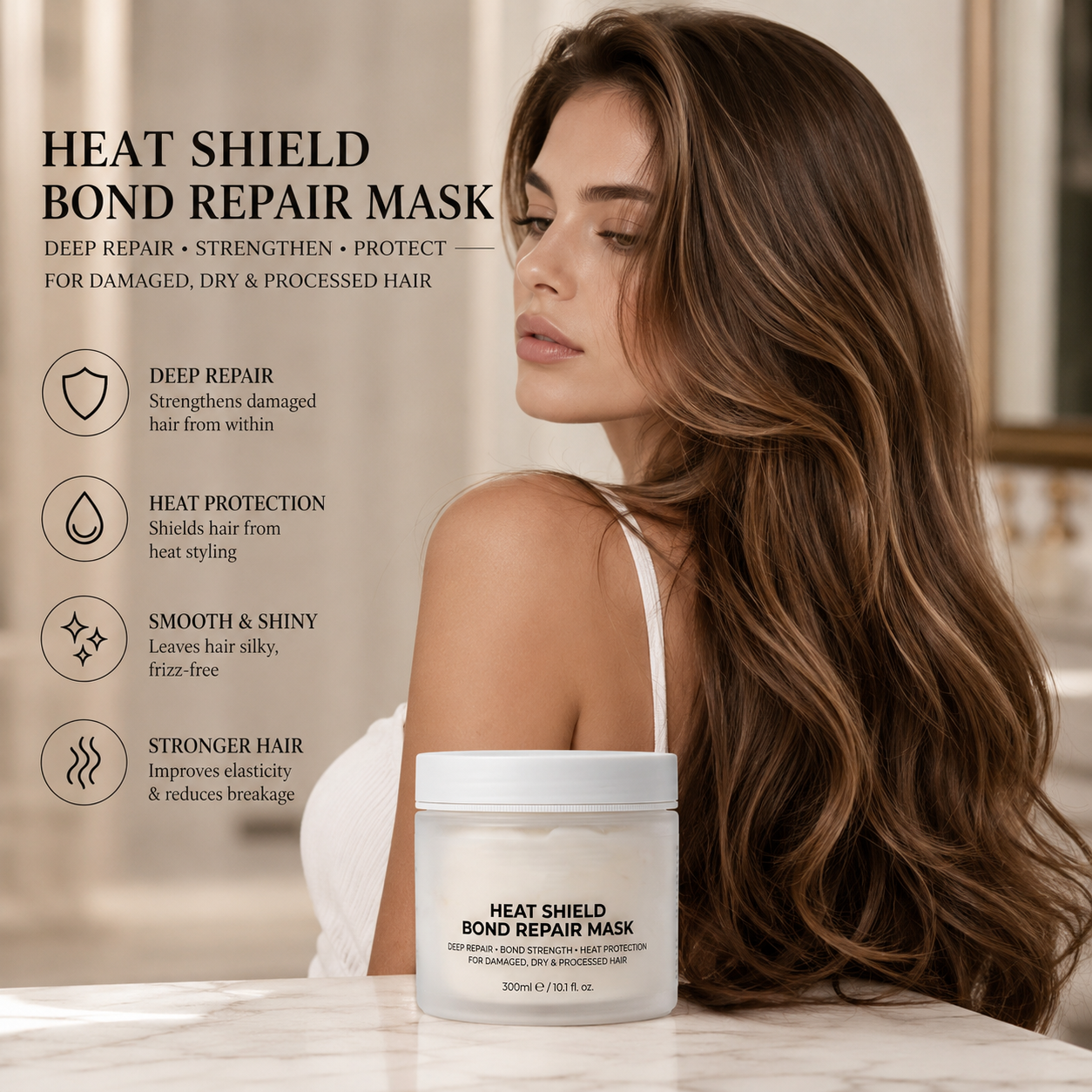
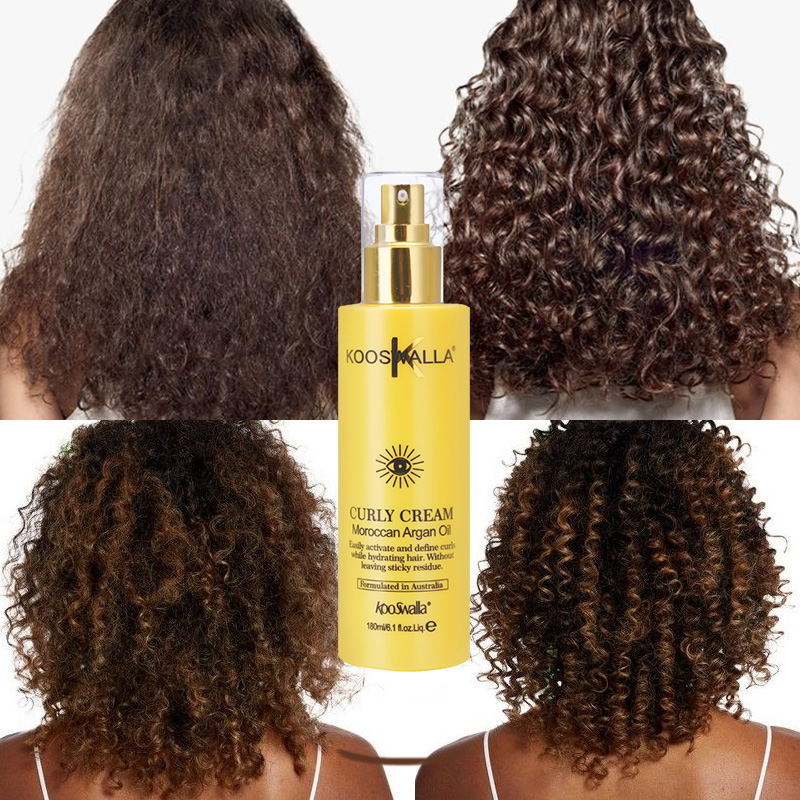
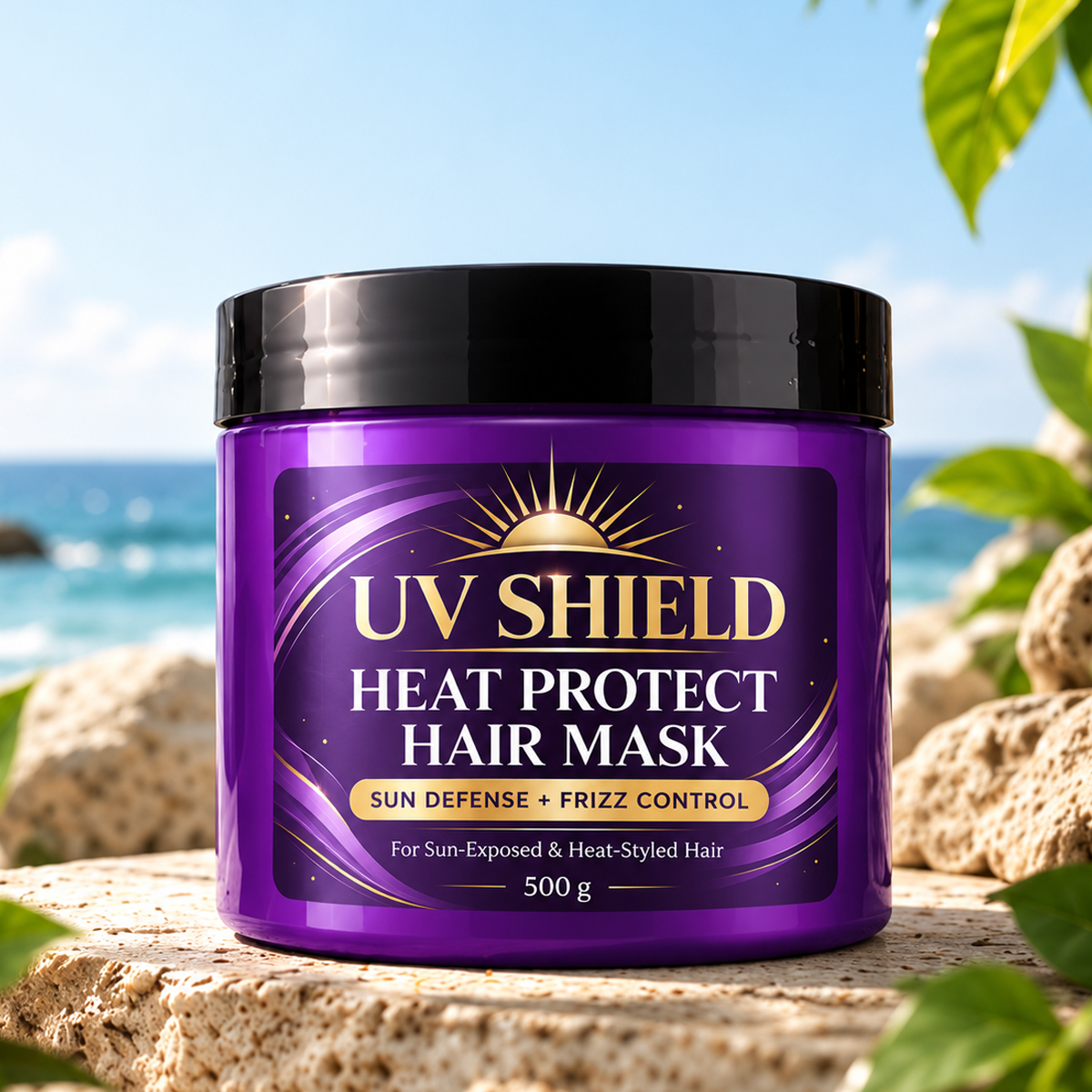
Featured Professional Hair Care Product Lines
Direct from SGS-Verified Guangzhou Manufacturing Facility (OEM / ODM Available)



Executive Overview: China’s Role in Global Silver & Violet Shampoo Manufacturing
The global market for brass-neutralizing, violet-pigmented, and silver-toning shampoos has experienced exponential expansion driven by the rise of salon blonde care, gray-hair empowerment trends, and high-lift bleaching practices across Western and Latin American retail markets. As brands scale, securing a manufacturing partner capable of delivering precise pigment dispersion, formula stability, and strict international regulatory compliance (FDA, EU CPNP, UK CRNP) becomes paramount.
China has emerged as the premier manufacturing ecosystem for professional-grade Silver Shampoos. Spearheaded by verified facilities such as Guangzhou Kooswalla Cosmetics Co., Ltd. (operating under the global enterprise umbrella of Almaruiz), Chinese cosmetic factories combine advanced chemical synthesis of direct dyes—specifically Acid Violet 43 (CI 60730)—with scalable automated packaging infrastructure. This whitepaper analyzes the technical formulation landscape, supply chain economics, quality assurance protocols, and future market vectors governing Silver Shampoo manufacturing.
Formulation Science: Pigment Optics & Cuticle Interaction
The primary operational objective of a high-performance Silver Shampoo is to eliminate brassy, warm yellow tones (570–580 nm wavelength spectrum) by applying complementary optical violet tones (400–450 nm wavelength spectrum). Achieving consistent neutralization without turning lightened hair excessively ash or purple requires precise chemical engineering:
- Active Pigment Selection: Standard formulations rely on Acid Violet 43 (CI 60730), an anionic direct dye chosen for its high solubility, non-irritating profile, and specific affinity for keratins. High-end custom ODM formulas often blend Acid Violet 43 with minimal ratios of Basic Blue 99 or HC Blue No. 2 to target multi-tone brassiness in gray and platinum hair.
- pH Cushioning System: The ideal pH window for silver shampoo sits tightly between pH 5.0 and 5.5. At this slightly acidic level, the hair cuticle remains partially closed during cleansing, preventing dye OVER-penetration into damaged porous cortex fibers while smoothing the outer scale layer for optimal light reflectance.
- Sulfate-Free Cleansing Base: Modern B2B buyers increasingly demand sodium lauryl sulfate (SLS)-free chassis. Formulators utilize Sodium Lauroyl Methyl Isethionate (SLMI), Sodium Cocoyl Isethionate (SCI), and Cocamidopropyl Betaine (CAPB) to build a rich, stable foam that evenly suspends violet pigments during application.
Technical Infrastructure & Manufacturing Capabilities
Why Tier-1 Global Hair Care Brands Partner with Guangzhou Kooswalla Cosmetics
Precision Colorimetry R&D
In-house laboratories equipped with spectrophotometers and hair tress testing equipment to calibrate custom violet shades for blonde, silver, and white hair specifications.
12,800㎡ Cleanroom Production
SGS-audited, GMPC and ISO 22716 certified cleanrooms featuring vacuum emulsifying boilers capable of producing homogeneous dye dispersions up to 5 metric tons per batch.
Accelerated Stability Testing
Every formula undergoes 12-week thermal stress testing (45°C, 4°C, freeze-thaw cycles) and photostability chamber exposure to eliminate bottle staining and dye degradation.
Turnkey OEM/ODM Packaging
Complete sourcing for anti-stain HDPE pump bottles, airless dispensers, eco-friendly PCR plastics, and custom foil-stamped boxes with low minimum order quantities.
International Regulatory Dossiers
Full support for export registration: COA, MSDS, INCI declarations, Toxicological Risk Assessments (TRA), and EU CPNP notification pre-filings.
Global Freight & Distribution
Direct export handling through Guangzhou and Shenzhen ports, delivering DDP/FOB logistics solutions to brand partners in over 50 countries worldwide.
B2B Formulation Benchmark: Selecting the Right Silver Shampoo Specification
Different retail segments require distinct chemical attributes. Below is a comparative specification table established by Guangzhou Kooswalla R&D engineers to guide B2B buyers in finalizing their private label formulations:
| Formulation Grade | Target Market & Channel | Pigment Load (Acid Violet 43) | Surfactant System | Key Conditioning Actives | Typical MOQ |
|---|---|---|---|---|---|
| Retail Daily Maintenance | Supermarkets, DTC E-Commerce | 0.05% - 0.12% (Light Toning) | SLES + CAPB (Standard Foam) | Hydrolyzed Wheat Protein, Panthenol | 500 - 1,000 Units |
| Professional Salon Grade | Salons, Stylist Supply Outlets | 0.20% - 0.35% (Intense Toning) | Sulfate-Free (SLMI / SCI Base) | Argan Oil, Keratin Amino Acids | 500 Units |
| Bond-Building Silver System | Premium Salon & Luxury DTC | 0.15% - 0.25% (Balanced) | Ultra-Mild Amino Acid Surfactants | Bis-Aminopropyl Diglycol Dimaleate, Plex | 1,000 Units |
| Clean Beauty Organic Silver | Sephora / Conscious Retailers | 0.10% - 0.18% (Natural Toning) | 100% Plant-Derived Glucosides | Organic Coconut Oil, Rosemary Extract | 1,000 - 3,000 Units |
Future Sourcing Trends: Silver & Toning Shampoo Development (2025–2030)
As the international haircare landscape matures, global buyers must align their procurement strategies with evolving consumer expectations and chemical safety regulations. Key shifts reshaping Silver Shampoo manufacturing include:
1. Integration of Hair Bond Repair Chemistries
Bleached and lightened hair suffers structural damage caused by the cleavage of disulfide bonds within the cortex. Modern buyers are shifting away from basic toning shampoos toward hybrid "Toning + Bonding" formulas. Leading Chinese exporters are now co-formulating Acid Violet 43 with amino-acid repair complexes and maleic acid derivatives to simultaneously neutralize yellow brassiness while restoring tensile hair strength during the cleansing cycle.
2. Transition to Non-Staining & Scalp-Comfort Surfactants
Historical purple shampoos frequently left stubborn violet residues on hands, shower tiles, and sensitive scalp tissue. Next-generation ODM development focuses on micro-encapsulated dye particles and non-ionic surfactant matrices that release pigment exclusively onto keratinized hair strands while rinsing cleanly off epidermic tissue and ceramic surfaces.
3. Eco-Packaging & High-Concentration Solids
Environmental packaging mandates across the EU and North America are accelerating the adoption of Post-Consumer Recycled (PCR) HDPE bottles, aluminum packaging, and concentrated purple shampoo bars. Chinese factories are at the forefront of engineering low-water and solid violet cleansing bars designed to minimize ocean freight carbon footprints while maintaining high toning potency.
Enterprise Profile: Guangzhou Kooswalla Cosmetics Co., Ltd. (Almaruiz)
Situated in the Shijing Industrial Zone of Guangzhou—China's central hub for cosmetic innovation—Guangzhou Kooswalla Cosmetics Co., Ltd. represents the peak of high-capacity hair care manufacturing. Spanning a 12,800-square-meter facility with 72 verified technical staff, the company combines rigorous quality engineering with comprehensive private label export solutions.
In addition to silver and purple toning formulations, the factory maintains specialized automated production lines for Brazilian Keratin treatments, Nanoplasty smoothing systems, Bond Repair kits (N1/N2/N7 series), organic scalp growth oils, low-ammonia salon hair color creams, and dust-free bleaching powders. Holding certified compliance across SGS, GMPC, and ISO standards, Kooswalla provides global distributors with complete supply chain security, short lead times, and unyielding batch consistency.
Frequently Asked Questions (B2B Sourcing FAQ)
Essential Operational Insights for Importers, Distributors, and Private Label Brands
What is the typical Minimum Order Quantity (MOQ) for custom Silver Shampoo manufacturing?
Can Guangzhou Kooswalla formulate a formaldehyde-free or sulfate-free Silver Shampoo?
How does the factory prevent dye batch-to-batch color variations?
What documentation is provided for international customs clearing and cosmetics registration?
What is the standard production timeline from sample approval to delivery?
Is the manufacturing facility audited by third-party inspection bodies?
Request Product Catalogs & Factory Pricing
Partner with China's leading professional hair care manufacturer. Speak directly with our export engineering team to discuss custom formulations, sample requests, and OEM production quotas.