Certified OEM/ODM Hair Care & Scalp Treatment Portfolio
Explore our high-demand standard formulations. Fully customizable by our in-house R&D team for viscosity, scent, active concentration, and regulatory compliance.
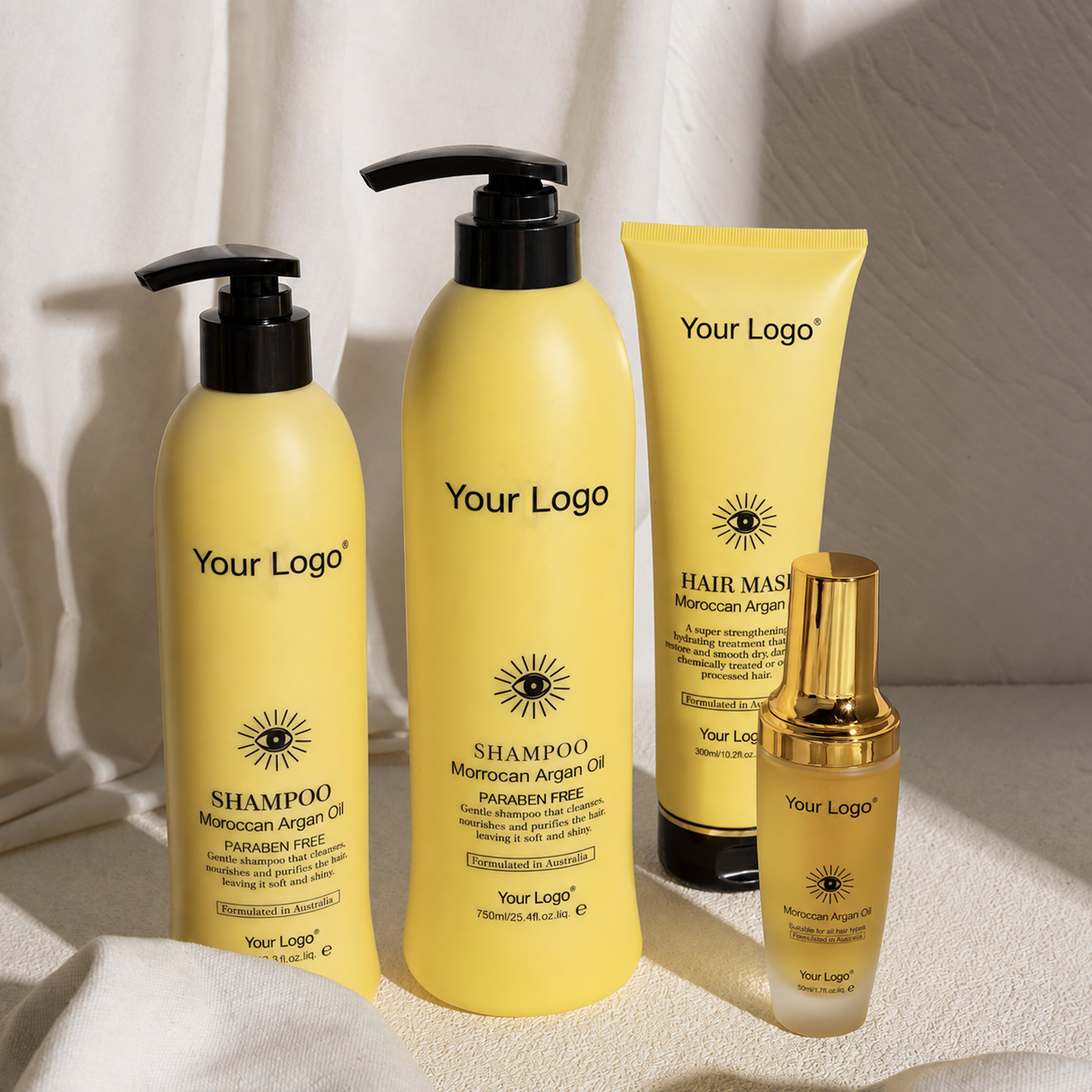
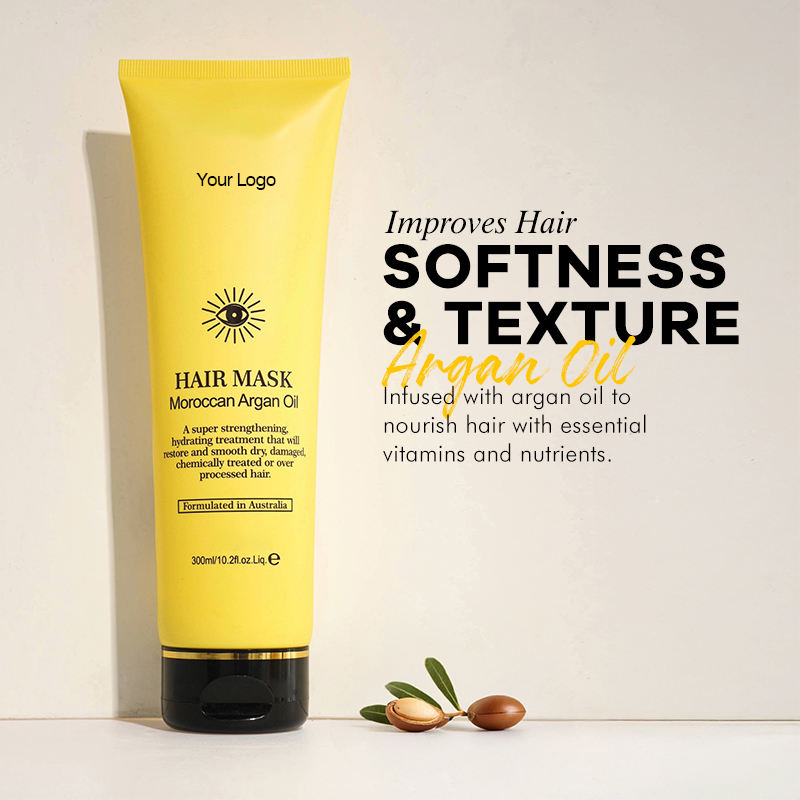
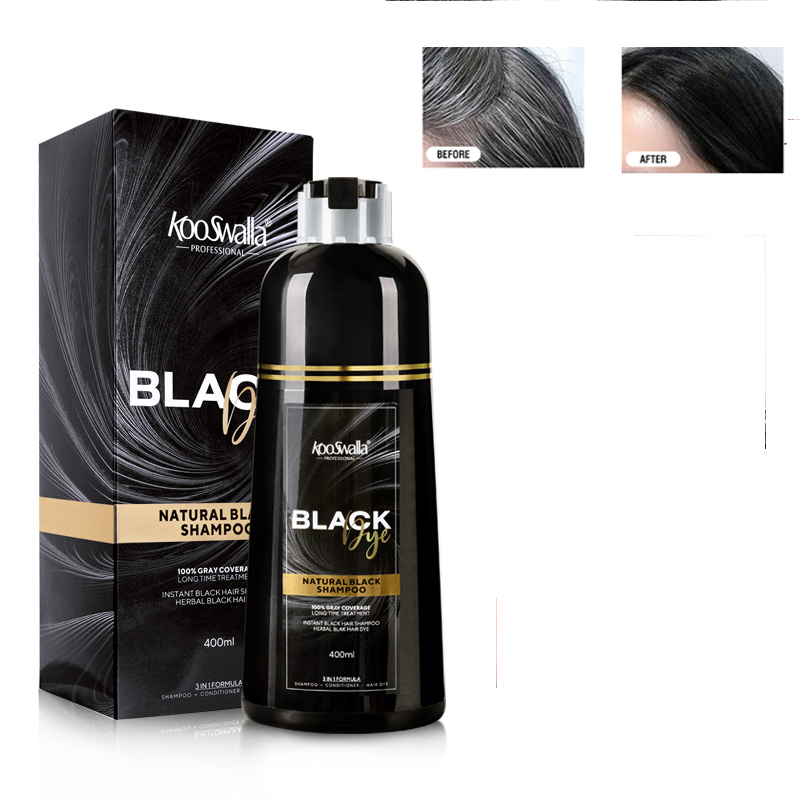
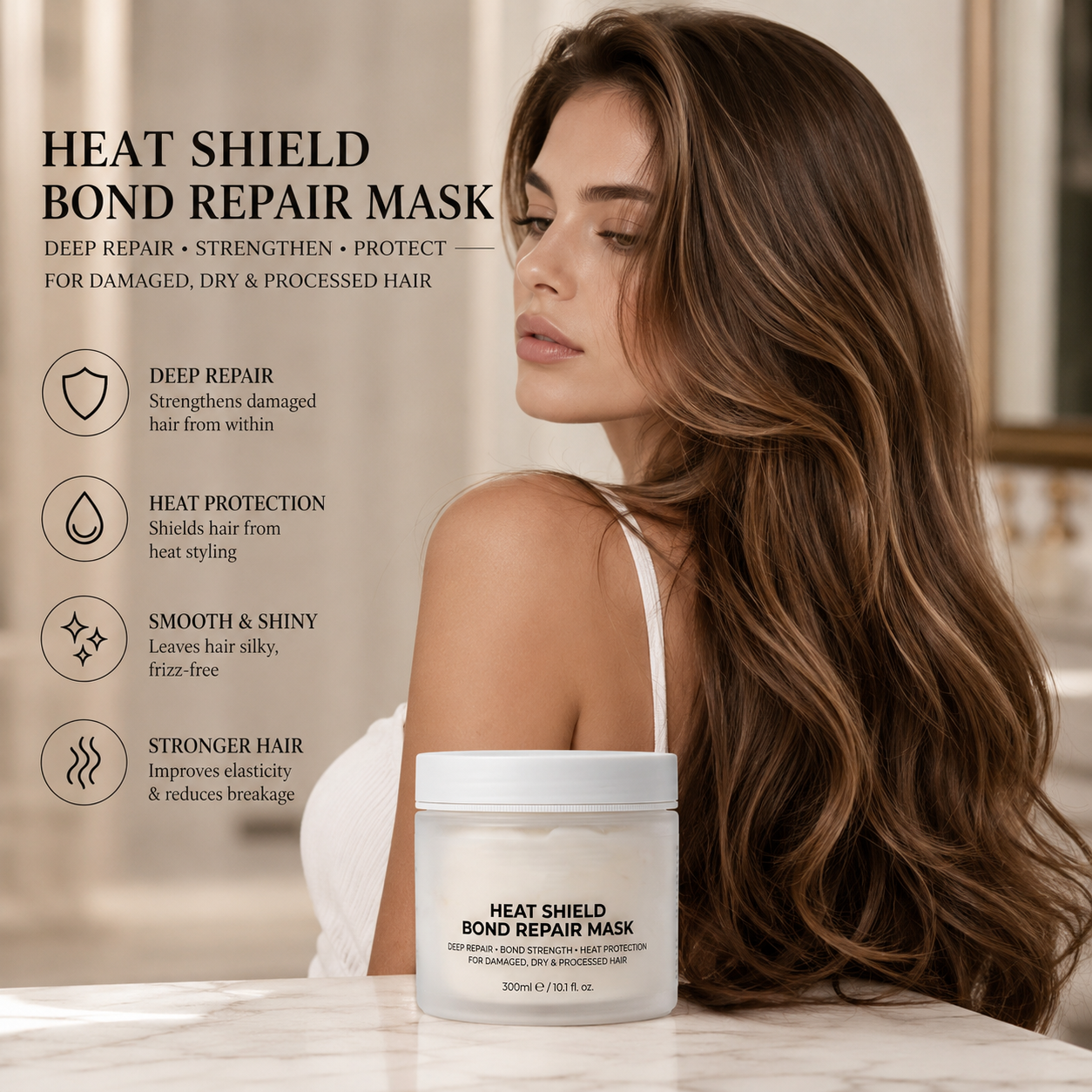
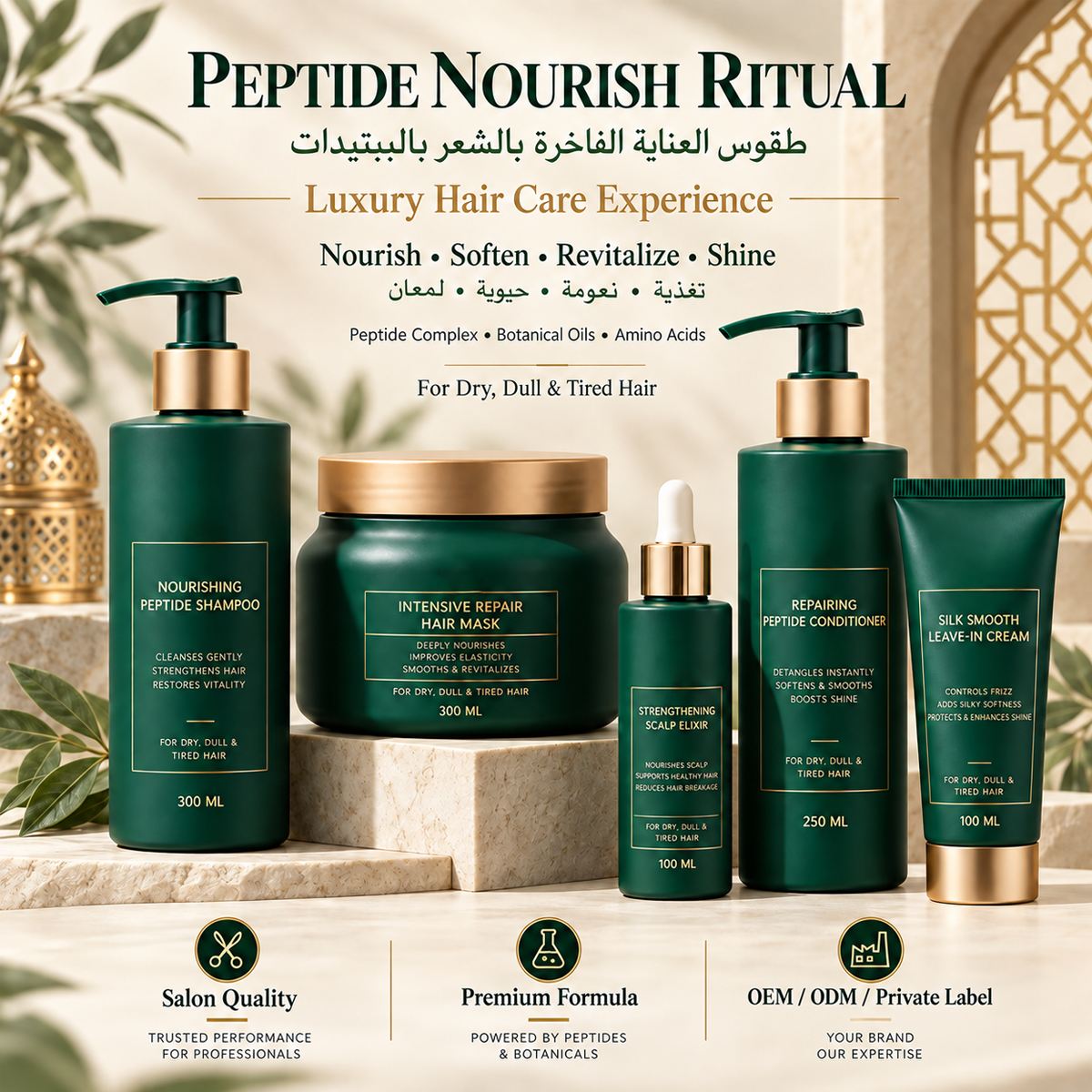
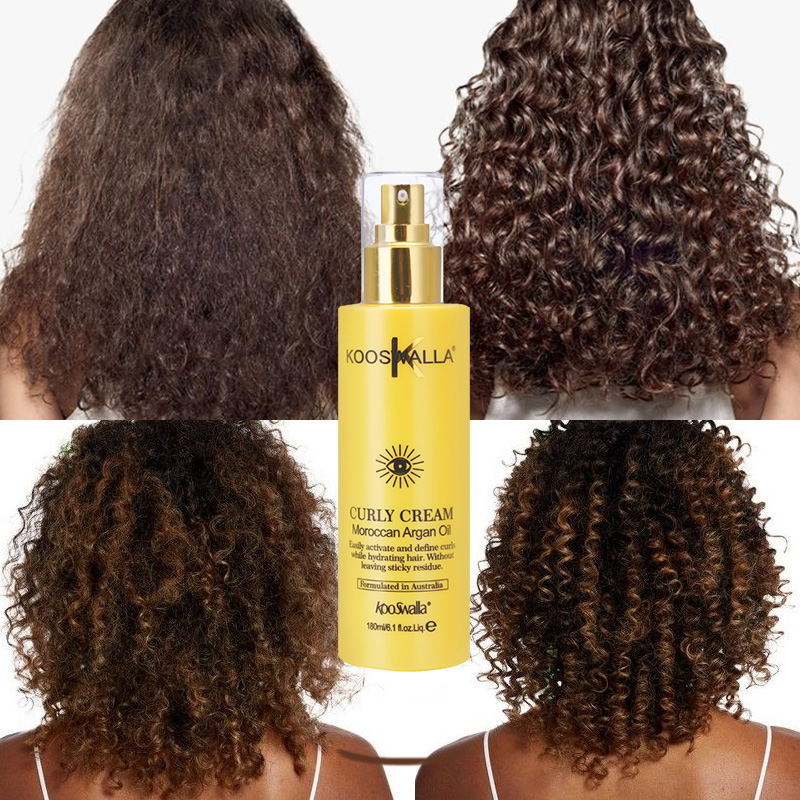
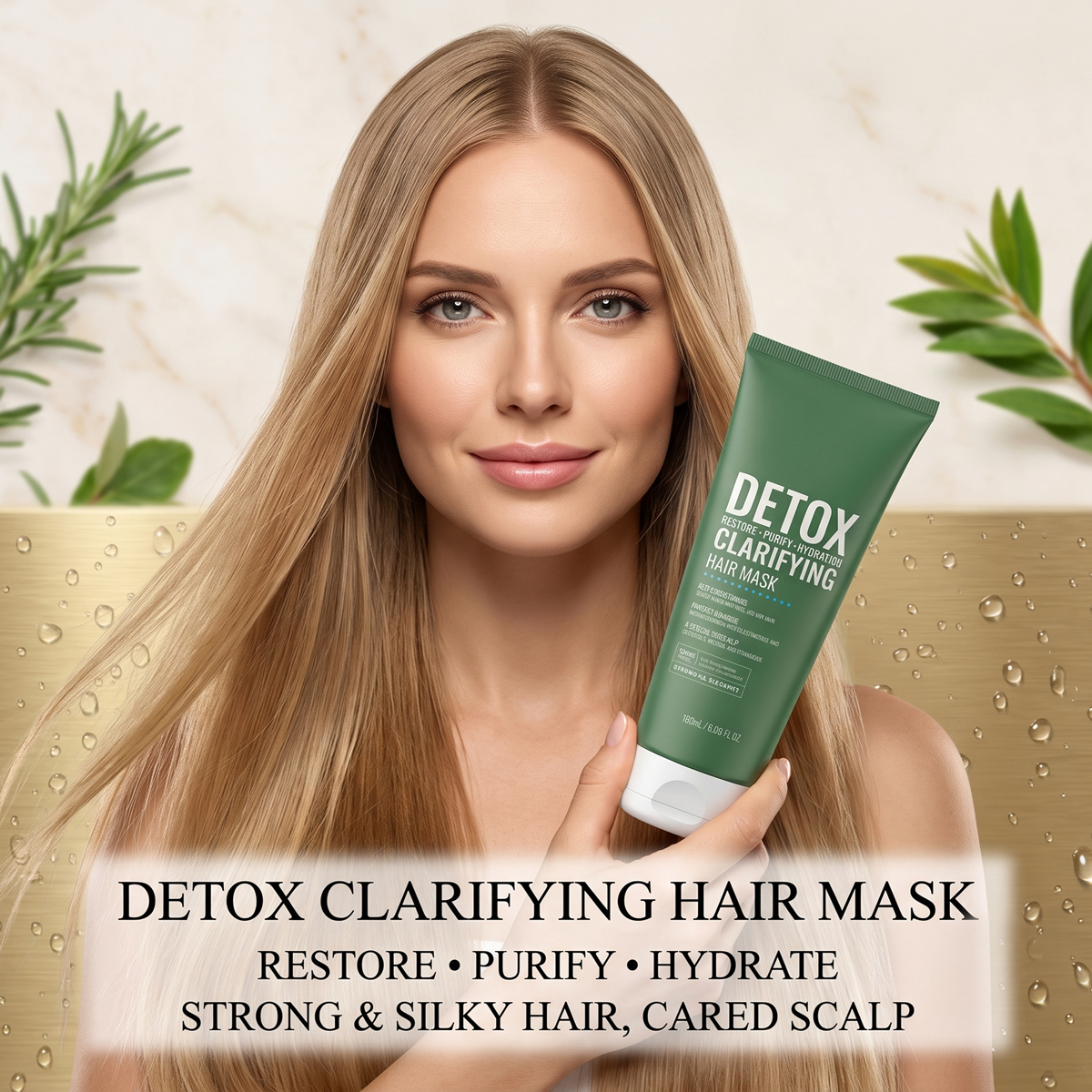
Guangzhou Kooswalla Cosmetics Manufacturing Infrastructure
Operating a state-of-the-art 12,800㎡ cleanroom manufacturing plant equipped with automated emulsification vessels, high-speed filling lines, and rigorous analytical quality control.
In-House R&D & Formulation
Our dedicated chemical engineering team formulates therapeutic-grade tea tree shampoos with standardized terpinen-4-ol concentrations, balancing anti-fungal potency with scalp lipid preservation.
SGS Verified & CE Standards
Fully compliant with European Cosmetic Regulation (EC) No 1223/2009. We offer comprehensive CPSR safety reports, CPNP portal notifications, MSDS, and COA documentation for seamless import.
Flexible OEM/ODM Solutions
From low-MOQ catalog modifications (starting at 100–500 units) to custom bespoke formula development (1,000+ units), we provide complete turnkey private label solutions tailored to brand identity.
Technical Whitepaper: Sourcing & Manufacturing CE Certified Tea Tree Shampoo at Scale
The global professional haircare market is witnessing a fundamental paradigm shift. Consumer demand has evolved from basic cleansing to targeted scalp dermacosmetic therapy. Central to this evolution is Melaleuca Alternifolia (Tea Tree) oil—a natural bio-active compound renowned for its broad-spectrum antimicrobial, anti-fungal, and anti-inflammatory properties. However, for B2B brand owners, importers, and retail distributors, sourcing from a certified tea tree shampoo factory involves navigating complex chemical stabilization, regulatory compliance, and raw material sourcing standards.
Key Technical Insight: Not all tea tree shampoo formulations yield therapeutic anti-dandruff results. Efficacy hinges on maintaining a minimum active concentration of Terpinen-4-ol (exceeding 38%) while keeping 1,8-Cineole below 4% to prevent scalp hypersensitivity. Qualified OEM factories must employ low-temperature emulsification protocols to prevent thermal degradation of essential volatile terpenes.
1. Understanding CE Compliance & European Cosmetic Standards for Tea Tree Shampoos
For international buyers targeting the European Economic Area (EEA) and global markets requiring stringent safety verification, obtaining product documentation aligned with CE standards and EU Cosmetics Regulation (EC) No 1223/2009 is critical. When auditing a contract manufacturer for tea tree hair care products, procurement directors must evaluate four essential compliance pillars:
- Cosmetic Product Safety Report (CPSR): Divided into Part A (Cosmetic Product Safety Information) and Part B (Cosmetic Product Safety Assessment). Prepared by a qualified toxicologist to verify the safety margin (MoS) of volatile tea tree components.
- Microbial & Challenge Testing (ISO 11930): Preservative Efficacy Testing (PET) ensuring the formula resists contamination by Pseudomonas aeruginosa, Staphylococcus aureus, Candida albicans, and Aspergillus brasiliensis over a 28-day challenge period.
- Stability & Photostability Protocol: Real-time and accelerated stability testing (40°C at 75% RH for 12 weeks) proving zero phase separation, scent rancidity, or degradation of active terpene profiles.
- CPNP (Cosmetic Products Notification Portal) Registration: Provision of full formulation disclosure data to European authorities prior to commercial import.
2. The Chemical Dynamics of Scalp Detoxification: Tea Tree Synergies
Modern B2B buyers must move beyond single-ingredient marketing. High-performance professional tea tree shampoos engineered by leading contract manufacturers rely on multi-active synergistic systems that address the root causes of scalp dysfunction:
A. Malassezia Globosa Control
The primary fungal culprit behind seborrheic dermatitis and scalp flaking is Malassezia globosa. Pure tea tree oil disrupts fungal cell membranes by altering membrane permeability. When combined with Piroctone Olamine or Zinc Pyrithione (where permitted), the Minimum Inhibitory Concentration (MIC) required for complete fungal suppression drops by up to 60%, delivering clinical-grade scalp relief without aggressive chemical dryness.
B. Sebum Solubilization & Micro-Emulsification
Excess sebum traps dead corneocytes and environmental pollutants. Our custom factory formulations utilize mild, sulfate-free surfactant matrices (such as Sodium Cocoyl Isethionate and Lauryl Glucoside) combined with micro-emulsified tea tree droplets. This allows deep follicular penetration, dissolving hardened lipid plugs without stripping the scalp's natural acid mantle (pH 4.5–5.5).
3. Comprehensive Comparison of Scalp Care Actives for OEM Sourcing
To assist brand managers in formulating their product roadmap, the matrix below details the functional performance, regulatory status, and cost parameters of standard scalp care formulations:
| Formulation Type | Key Bio-Actives | Primary Scalp Indication | CE / EU Compliance Status | Target Retail Price Tier |
|---|---|---|---|---|
| Therapeutic Tea Tree Detox | Tea Tree Oil (Terpinen-4-ol > 38%), Salicylic Acid 2% | Severe dandruff, seborrheic scalp, excess sebum | Fully Compliant (Requires CPSR Part B) | Professional / Trichology ($24 - $38) |
| Botanical Scalp Calming | Tea Tree Oil, Rosemary Extract, Aloe Vera Gel | Sensitive scalp, light itching, daily maintenance | Standard Cosmetic Notification (CPNP) | Masstige / DTC Clean Beauty ($16 - $26) |
| Biomimetic Bond & Scalp | Tea Tree Oil, Hydrolyzed Peptides, Argan Oil | Chemical post-treatment, dry scalp, damaged hair | Fully Compliant (CPNP & ISO 22716) | Salon Back-Bar / Premium ($30 - $48) |
| Clarifying Charcoal Tea Tree | Activated Bamboo Charcoal, Tea Tree, Peppermint | Heavy product build-up, environmental detox | Fully Compliant | Mass Retail / E-Commerce ($12 - $20) |
4. Future Procurement Trends in Scalp & Tea Tree Hair Care Manufacturing
As contract manufacturing experts closely tracking global search intent and retail sales analytics, we highlight four dominant macro trends shaping future sourcing requirements for tea tree shampoo factories:
A. Clean-Label Microbiome Preservation
Consumers are demanding formulas that eliminate harsh sulfates (SLS/SLES), parabens, silicones, and synthetic dyes. Future tea tree shampoos must be formulated with prebiotic and postbiotic complexes (such as Inulin and Lactobacillus Ferment Lysate) that protect beneficial skin microbiota while targeting pathogenic fungi.
B. Sustainable & Concentrated Formulations
Logistical efficiency and carbon reduction goals are driving procurement toward low-water or concentrated chassis. Liquid shampoos are being optimized for higher viscosity and lower dose per wash, alongside the rapid expansion of waterless solid tea tree shampoo bars requiring plastic-free aluminum or FSC-certified paper packaging.
C. Encapsulation & Controlled-Release Technology
Unencapsulated essential oils volatilize rapidly during hot showers. Advanced factories are integrating micro-encapsulated tea tree oil beads. These lipid-based spheres adhere to the hair follicle during washing and burst upon towel-drying or brushing, releasing fresh terpinen-4-ol throughout the day for prolonged scalp freshness.
D. Upcycled & Organic Certified Raw Materials
E-E-A-T compliant brand storytelling requires verifiable supply chains. Leading brands prioritize contract manufacturers offering COSMOS or USDA Organic certified Australian tea tree oil sourced from sustainable, solar-powered steam distillation facilities.
The 6-Step OEM/ODM Manufacturing Workflow
From initial bench sampling to containerized global logistics, our standard operation procedure ensures zero variation between approved pilot batch and mass production.
1. Specification & Briefing
Establish exact formulation criteria: target pH, viscosity range, active percentages, scent profile (natural tea tree vs. essential oil blends), container material, and destination market regulatory demands.
2. R&D Lab Sampling
Our formulation scientists prepare customized lab samples within 7–10 business days. Samples undergo accelerated centrifugation and temperature stress tests prior to customer dispatch.
3. Compliance & QC Clearance
Final formulation sign-off accompanied by full COA, MSDS, INCI declarations, heavy metal testing, and microbial challenge testing ready for regulatory dossier submission.
4. Packaging Customization
Selection of packaging hardware: HDPE, PET, post-consumer recycled (PCR) plastics, airless pumps, or aluminum bottles. Direct screen printing or custom foil labeling executed in-house.
5. Automated Mass Filling
High-speed automated production lines execute vacuum emulsification, inline filtration, volumetric bottle filling, capping, batch coding, and shrink wrapping under GMPC cleanroom conditions.
6. Export Logistics & Delivery
Export palletization, container loading, customs declaration, and FOB/CIF/DDP freight delivery coordinated from Guangzhou, Shenzhen, or Hong Kong ports.
Frequently Asked Questions by OEM Haircare Buyers
Clear, direct answers regarding minimum order quantities, compliance protocols, testing, and production lead times.
What is the Minimum Order Quantity (MOQ) for custom tea tree shampoo manufacturing? ▼
Can your factory provide CE and EU CPNP registration documentation? ▼
How do you guarantee the anti-dandruff efficacy of tea tree formulas without causing scalp irritation? ▼
What is the typical production lead time for an OEM project? ▼
Are your production facilities verified by third-party audit agencies? ▼
Launch Your Certified Tea Tree & Scalp Care Line Today
Connect with our senior technical consultants to request lab samples, review stock formula options, or receive a fast OEM/ODM quote within 24 hours.