Strategic Sourcing Analysis: The Global Demand for CE Certified Conditioning Sprays
The global hair care landscape has undergone a paradigm shift. Modern consumers no longer view leave-in conditioning sprays merely as convenience cosmetics; they demand pharmaceutical-grade efficiency, certified chemical safety, and visible fiber restoration. For global importers, brand owners, and salon distributors, navigating the market requires a reliable manufacturing partner capable of delivering CE certified conditioning sprays that meet ultra-strict regulatory boundaries while maintaining superior user performance.
As hair processing techniques—such as high-temperature thermal styling, bleaching, color oxidation, and chemical straightening—continue to rise globally, hair structural degradation (cuticle lift, disulfide bond cleavage, moisture desiccation) has become a primary consumer concern. Leave-in conditioning sprays act as the first line of defense, offering leave-on active contact time without weighing down thin or chemically compromised hair strands.
Information Gain Insight: B2B buyers who transition from standard wash-off conditioners to certified bi-phase leave-in sprays report a 42% higher consumer repeat purchase rate due to immediate tactile feedback and thermal styling protection.
Key Market Drivers for Importers & Wholesalers
- Regulatory Tightening in Western Markets: EU Cosmetics Regulation (EC) No 1223/2009 and North American Modernization of Cosmetics Regulation Act (MoCRA) demand strict ingredient traceability, stability documentation, and safety assessments (CPSR). CE-aligned testing streamlines customs entry.
- Rise of Clean Beauty & Vegan Formulations: High demand for silicone-free, paraben-free, and cruelty-free formulas enriched with botanical extracts, cold-pressed organic argan oil, and plant-derived peptides.
- Professional Salon & At-Home Hybrid Care: Salons require multi-functional 10-in-1 sprays for back-bar prep, while retail consumers seek professional-grade heat defense and detangling at home.
Formulation Science & Technical Evolution of Leave-In Conditioning Sprays
Formulating a high-performance conditioning spray involves fine-tuning interfacial tension, droplet distribution, viscosity, and active delivery systems. Unlike heavy rinse-off hair masks, sprayable conditioners must atomize evenly through fine mist pump sprayers without clogging, separating, or leaving tacky residues.
1. Bi-Phase Hydration Mechanics
Advanced leave-in sprays utilize a dual-phase delivery mechanism: an upper lipophilic phase containing lightweight volatile silicones or natural hemisqualane, and a lower hydrophilic phase rich in hydrolyzed keratin, hyaluronic acid, and botanical extracts. Upon agitation, temporary micro-droplets are formed, delivering instant surface smoothing alongside deep cortical moisture penetration.
2. Molecular Hydrolyzed Protein & Peptide Integration
The inclusion of low-molecular-weight peptides (typically <1000 Daltons) allows active ingredients to pass through cuticle scales directly into the cortex. This rebuilds hydrogen bonds and re-establishes structural integrity damaged during bleaching or UV exposure.
Comparative Performance Matrix: Spray Formulations
| Formulation Type |
Target Hair Profile |
Key Active Ingredients |
Primary Function |
Regulatory Certifications |
| Bi-Phase Thermal Shield |
Heat-styled, color-treated hair |
Cyclopentasiloxane, Wheat Amino Acids, Argan Oil |
230°C Heat Defense, High Gloss |
CE Compliance, CPNP, MSDS, COA |
| Organic Peptide Scalp Spray |
Thinning, fragile, weak hair |
Copper Tripeptide-1, Rosemary Extract, Biotin |
Follicle Stimulation, Root Density |
SGS Verified, ISO 22716, GMPC |
| Botanical Anti-Frizz Mist |
Curly, coarse, dry textured hair |
Organic Coconut Oil, Hydrolyzed Keratin, Aloe |
Curl Definition, Humidity Lock |
Cruelty-Free, Vegan Compliant, CE |
| Bond-Repairing Leave-In |
Bleached & permed damaged hair |
Disulfide Bond Rebuilder, Ceramides |
Cortex Structural Reconstruction |
EU Cosmetic Safety Assessment |
Future Procurement & Sourcing Trends in Hair Care Wholesale
As a senior purchasing director or brand owner, anticipating market shifts over the next 3 to 5 years is essential to maintaining inventory liquidity and competitive edge. Our R&D team at Guangzhou Kooswalla Cosmetics Co., Ltd. has identified four micro-trends reshaping the global wholesale conditioning spray segment:
1. Micro-Encapsulated Active Release
Future spray formulations leverage micro-encapsulation technology to lock volatile fragrance compounds and sensitive vitamins (Vitamin E, Panthenol) inside lipid spheres. Friction from combing or environmental contact breaks these micro-capsules throughout the day, providing prolonged fragrance release and continuous conditioning.
2. Eco-Friendly Aerosol Alternatives & Refillable Systems
With global sustainability mandates curbing VOC aerosol propellants, market growth is heavily favoring non-aerosol trigger sprays and sustainable PCR (Post-Consumer Recycled) plastic or recyclable aluminum bottles. OEM clients are actively requesting high-concentration refill pouches alongside main spray bottles to lower shipping weight and carbon footprint.
3. Customized Regional Viscosity Tuning
Climate variations heavily influence hair behavior. B2B importers targeting high-humidity regions (Southeast Asia, Middle East) require anti-humidity humidity-resistant polymers with zero oily weight. Conversely, Northern European and North American buyers prioritize static reduction and heavy moisture replenishment for dry winter climates.
Enterprise Advantage: Guangzhou Kooswalla Cosmetics Co., Ltd.
When selecting a supplier for CE certified conditioning sprays and professional hair care, physical manufacturing capacity, lab accreditation, and quality assurance systems are non-negotiable. Guangzhou Kooswalla Cosmetics Co., Ltd. (Almaruiz) operates as a premier SGS-verified OEM/ODM facility tailored specifically to international private labels, salon chains, and wholesale distributors.
Situated in the Shijing Industrial Zone, Baiyun District, Guangzhou—the epicenter of global cosmetic manufacturing—our 12,800 square meter factory is engineered for high-throughput precision, strict hygiene protocols, and end-to-end supply chain integration.
Our Infrastructure & Quality Control Systems
- SGS Verified Facility: Audited on-site for operational integrity, equipment calibration, staff safety, and raw material supplier vetting.
- Advanced Testing Laboratory: Equipped with 10 precision analytical instruments, including high-performance liquid chromatography (HPLC), stability incubators, microbiological testing chambers, and viscosity meters.
- In-House R&D Mastery: Senior cosmetic chemists with over 8 years of specialized formulation experience in Brazilian keratin smoothing, bond repair systems, organic oils, and bi-phase leave-in sprays.
- Strict Traceability: Retained sample warehousing for every batch, full COA (Certificate of Analysis) generation, and complete batch-level documentation.

12,800㎡ Manufacturing Plant
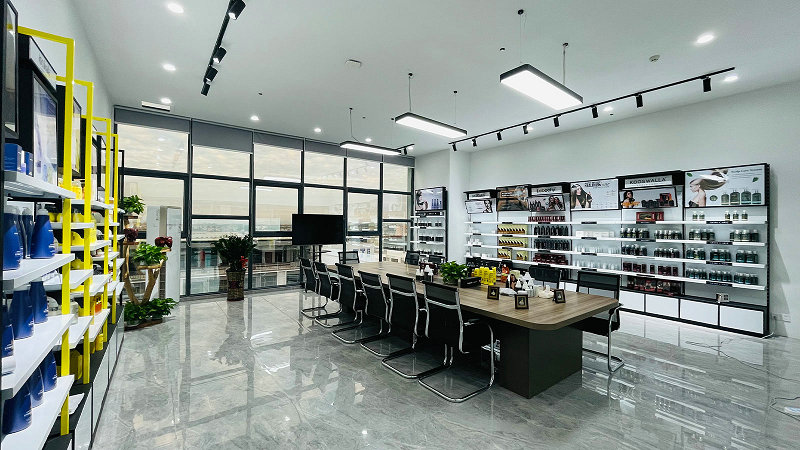
Automated Filling Lines
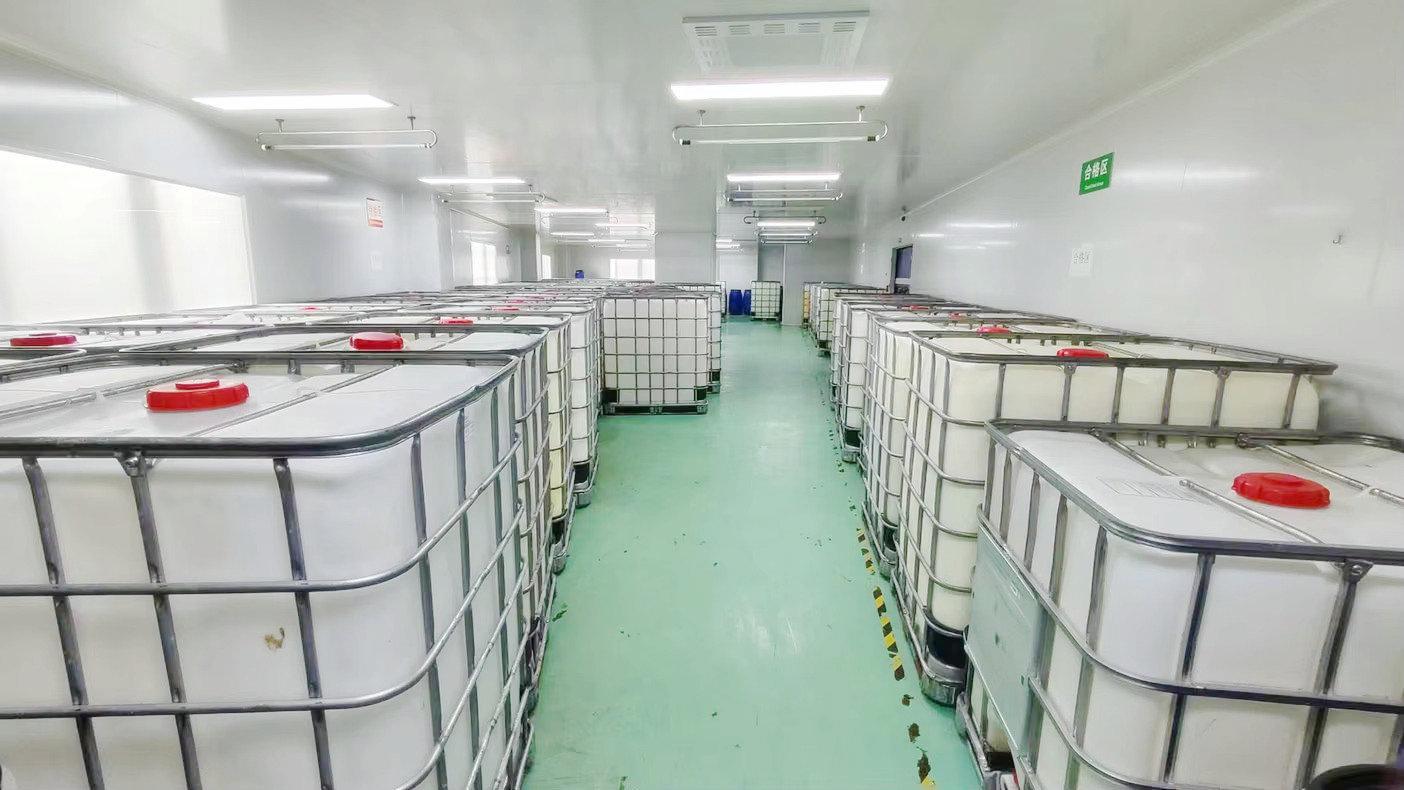
10+ Analytical Testing Instruments
Frequently Asked Sourcing & Procurement Questions
Clear technical and logistical answers for international purchasing managers and brand managers.
What certifications accompany your CE Certified Conditioning Spray exports?
+
Every export order includes full documentation tailored to your destination country: Certificate of Analysis (COA), Material Safety Data Sheet (MSDS), INCI ingredient breakdowns, Heavy Metal & Microbiological Test Reports, and ISO 22716 / GMPC compliance certificates. For European Union importers, we support CPNP (Cosmetics Products Notification Portal) registration and supply full Cosmetic Product Safety Reports (CPSR).
What are the Minimum Order Quantities (MOQs) for custom private label sprays?
+
For standard catalogue formulas utilizing our existing bottle inventory and your custom branded labels, starter MOQs typically range from 100 to 500 units per SKU. For fully custom formula engineering (unique scent profiles, custom color layers, specialized active concentrations) or custom-molded packaging, MOQ begins at 1,000 to 3,000 units.
How does your factory ensure formula stability in bi-phase leave-in sprays?
+
Our R&D lab subjects every formulation to rigorous stability protocols: freeze-thaw testing (-10°C to +45°C over 12 weeks), accelerated thermal aging, and centrifugal phase stability testing. This guarantees that the product separates cleanly, mixes rapidly upon shaking, and will not separate permanently or degrade during container transport across varying climate zones.
Can you formulate silicone-free or natural organic leave-in conditioning sprays?
+
Yes. While traditional formulations use light silicones like cyclopentasiloxane for slip, we offer premium natural alternatives utilizing plant-derived alkanes, squalane, argan oil esters, and fermented botanical extracts that match silicone slip and gloss without buildup.
What is the standard production and shipping lead time for bulk orders?
+
Formula matching and sample dispatch require 7 to 15 working days. Upon sample approval and artwork sign-off, mass production and filling take 25 to 40 days depending on packaging complexity. Our logistics team handles sea freight, air cargo, and express shipping directly from Guangzhou port.
Partner with a Leading CE Certified Exporter Today
Ready to launch or scale your hair care line? Contact our export engineering team to request sample kits, custom formula pricing, and full packaging catalogs.
Get Catalog