0%

Choosing the best Chinese suppliers of Salon Hair Products takes more than comparing glossy catalogs or low quotations. Buyers need evidence of consistent manufacturing, product testing, ingredient transparency, and dependable communication. A bottle may look salon-ready; the formula and production controls behind it matter more.

Grand View Research estimated the global hair care market at USD 99.52 billion in 2023, in its Hair Care Market Size, Share & Trends Analysis Report. The report also projected continued growth through 2030. That figure covers hair care broadly, not salon-only products or Chinese suppliers. Still, it shows why buyers face a crowded, fast-moving market. Scale alone proves little.

This guide examines how to assess Chinese manufacturers and trading companies, including their OEM and ODM capabilities, minimum order quantities, sample processes, and quality documentation. Look for clear ingredient lists, batch traceability, and practical answers about production lead times. Request samples and compare how products perform after repeated washing, heat styling, and salon use. Ask who performs testing, and how results are recorded. A polished catalog can still hide a weak process. That deserves scrutiny.

Supplier claims should be checked against documents, product samples, and direct questions. Certifications may support due diligence, but their scope and validity need verification. This article offers a grounded framework for comparing potential partners, rather than a universal ranking. The right supplier depends on your market, budget, and product needs. And sometimes, one detail changes the decision.
Who Are the Best Salon Hair Products Suppliers in China?

What Salon Hair Products Suppliers in China Offer

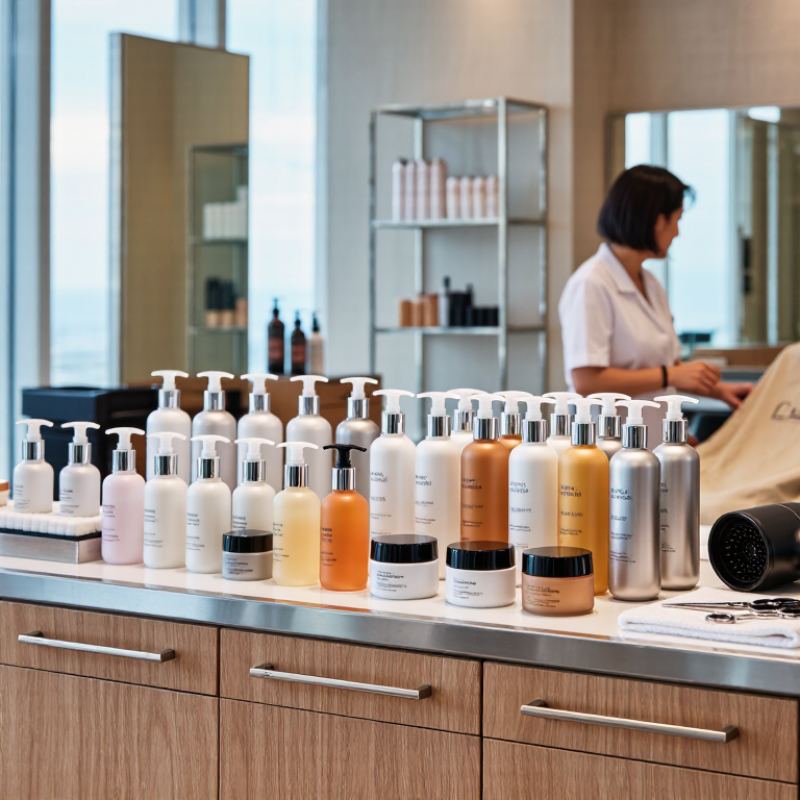
China-based salon hair product suppliers commonly offer shampoos, conditioners, hair masks, scalp cleansers, leave-in treatments, heat protectants, and styling products. Some provide both large back-bar containers and smaller retail sizes. A salon can request samples to assess texture, fragrance, rinsing, and performance on different hair types. Small details matter. Ask for ingredient lists, usage instructions, batch information, and relevant product documents before placing a large order. A formula that feels smooth on one person’s hair may not suit every client.

Many suppliers also offer bulk production, packaging choices, label customization, and shipping coordination. Some can adjust fragrance, texture, or packaging dimensions, though minimum order quantities and lead times vary. Check how the supplier handles sample approval, production checks, and quality complaints. Not every supplier manages every step. That gap matters. A polished catalogue is not proof of consistent manufacturing. Request clear specifications and written timelines, then compare them with the delivered samples. Communication can be imperfect, too; confirm important details in writing rather than relying on a quick chat.

What Salon Hair Product Suppliers in China Commonly Offer

The bars count example product types listed for each category, not supplier numbers, market share, or sales. Supplier assortments vary; common offerings can include hair care, styling and finishing products, color and lightening products, treatments, and salon tools.

Main Types of Suppliers and Their Product Specialties

China’s salon hair-care suppliers generally fall into several practical groups. OEM and ODM factories focus on private-label shampoos, conditioners, masks, and styling products. Some can adjust fragrance, texture, or packaging, while others mainly manufacture established formulas. Ask for sample lead times and minimum order quantities before discussing a large run.

Specialist manufacturers may concentrate on hair color, perming products, scalp treatments, or heat-protection sprays. Their expertise can mean more product options, but technical support varies. Request ingredient lists, stability information, and clear directions for professional use. Test samples on different hair textures when possible. Small details matter.

Trading companies and salon-focused distributors often combine products from multiple factories. They can simplify sourcing, especially when a buyer needs several categories in one shipment. However, the catalog may not reveal who actually makes each item. A polished presentation is not proof of production capacity. Verify factory details, quality checks, export experience, and packaging specifications. One awkward truth: samples may feel excellent, while bulk batches differ. Put agreed product details in writing and compare the delivered goods against approved samples.

Key Standards for Evaluating Supplier Quality and Reliability

Who Are the Best Salon Hair Products Suppliers in China?

A reliable supplier should be judged by evidence, not a polished catalogue. Ask for current product specifications, ingredient lists, and safety documentation for each formula. Check whether batch numbers connect finished goods to production records. Small details matter: a legible label, sealed sample, and consistent product texture can reveal how carefully a supplier handles routine work.

Testing should match the product. For shampoos and conditioners, request stability and microbiological test records, then compare samples from separate batches. Notice changes in scent, color, thickness, or packaging after storage. Ask how the supplier investigates complaints and corrects defects. A quick, specific answer is more useful than a broad promise. Still, documents alone cannot show how a product performs in a busy salon.

Operational reliability matters too. Confirm production capacity, minimum order quantities, lead times, and how delays are communicated. Ask whether packaging can protect products during shipping, especially pumps and tightly sealed containers. Review export documents with a qualified professional when needed. One weakness in this process is that a short sample test may miss seasonal or batch variation. Keep written records of questions, sample results, and agreed specifications before placing a large order.

Notable Chinese Suppliers and Their Salon Product Ranges

China’s salon-product suppliers vary widely in focus. Many Guangdong manufacturers offer professional shampoos, conditioners, hair masks, scalp cleansers, and leave-in treatments. Some also supply styling creams, sprays, and heat-protection products. Their ranges may include salon-size bottles alongside smaller retail packs, which helps salons test products before committing to larger orders.

Other suppliers specialize in hair-color care, perming products, or salon tools such as brushes and dryers. A catalogue can look impressive. Check the details. Ask for ingredient lists, product specifications, sample quantities, and clear packaging options. Reliable suppliers should explain how formulas suit different hair types and how products should be used. Buyers should also confirm production capacity and quality checks rather than relying on photographs alone. A sample may feel smooth yet perform differently after repeated washing. That matters.

Some suppliers support custom packaging or formula adjustments, but minimum order quantities and lead times can vary. Request written details before approving a sample. Small gaps in communication can become costly later. Compare suppliers by product consistency, documentation, and responsiveness, not range size alone. One practical test is to record how a mask spreads, rinses, and leaves hair after drying. The result is not a laboratory assessment, but it can reveal questions worth asking.

How to Verify and Choose the Right Supplier

Choosing a salon hair-products supplier takes more than comparing prices and polished catalogues. McKinsey’s 2023 beauty-market analysis projected the global beauty market could reach about $580 billion by 2027. Grand View Research estimated the hair-care market at $99.52 billion in 2023. These figures show a large, competitive sector—not proof that any supplier is dependable.

Check the company’s registration through China’s National Enterprise Credit Information Publicity System, then confirm the factory address matches its production documents. Ask for a live factory walkthrough or an independent audit. Request current ISO 22716 certification, but verify its scope and issuing body; a certificate alone does not guarantee consistent batches. Get product specifications, ingredient lists, batch records, and recent test reports for stability and microbial quality. A COA is useful, but ask who performed the tests and whether the report matches the exact product and batch.

Order samples from the same production line, then assess scent, texture, packaging seals, and performance after repeated washing. Ask how complaints, defects, and batch changes are recorded. Check whether the supplier can provide documentation required in your destination market. Details matter. A beautifully arranged showroom proves little, and I would not treat a low quotation as evidence of value. Paperwork can look convincing; independent checks still matter.

Who Are the Best Salon Hair Products Suppliers in China? - How to Verify and Choose the Right Supplier

Use this weighted scorecard to compare suppliers. It does not rank or endorse particular companies. Verify documents with the issuing organization and assess requirements for the destination market and product type.

Evaluation Dimension Weight What to Request or Check Signs of a Reliable Supplier Warning Signs
Legal identity and business scope 15% Business licence, registered legal name, address, and stated business scope. Check the entity through China’s National Enterprise Credit Information Publicity System and confirm that the contracting entity matches the payee. Company details are consistent across the licence, contract, invoice, and payment account. Refusal to identify the legal entity, unexplained third-party payments, or inconsistent company details.
Manufacturing capability 15% Confirm whether the supplier is a manufacturer or trading company. For outsourced production, request the manufacturing site’s identity, process scope, and written responsibility for quality. Clear factory details, documented production steps, and a credible live or independent site audit. Factory ownership or subcontracting arrangements are unclear, or production claims cannot be checked.
Quality management and GMP 15% Request quality procedures and any relevant ISO 22716 (cosmetics GMP) or ISO 9001 certificate. Verify the certificate number, issuer, validity, site, and scope with the certification body. Current, independently verifiable documents covering the actual manufacturing site and relevant activities. A certificate image without verifiable details, an expired certificate, or a scope that does not cover the site or activity.
Product documentation and compliance support 15% For the specific formula, request a complete ingredient list using appropriate INCI names, specifications, and relevant safety or regulatory documents. Confirm requirements for each destination market with its responsible regulatory professional. Documents are formula-specific, current, internally consistent, and supplied before commercial production. Generic documents, undisclosed formula changes, or unsupported claims that one certificate guarantees access to every market.
Batch testing and traceability 15% Request a sample Certificate of Analysis (COA), batch coding details, and written procedures for retaining records, handling complaints, and recalling products. Lot-specific records link finished goods to production and testing; acceptance criteria are defined before the order. COAs are not batch-specific, test methods or limits are missing, or lot traceability cannot be demonstrated.
Samples and product performance 10% Evaluate production-representative samples for salon use, packaging compatibility, sensory properties, and performance against agreed specifications. Request relevant stability or compatibility test information. Sample approval criteria are documented, and the supplier explains how approved samples relate to production batches. Promises of performance without test evidence or refusal to document an approved reference sample.
Commercial terms and supply reliability 10% Compare written quotations, minimum order quantities, production lead times, payment terms, Incoterms® rules, packaging costs, and change-control terms. The quotation identifies assumptions and exclusions; delivery and formula or packaging changes are addressed in writing. Material charges appear only after ordering, delivery commitments are vague, or changes can be made without approval.
Communication and corrective action 5% Ask for a named quality contact, escalation process, complaint response procedure, and examples of how nonconforming products are investigated and corrected. Responses are timely, specific, documented, and supported by corrective-action records when appropriate. Questions about defects or documentation receive only verbal assurances without follow-up records.
Scoring guide: Rate each dimension from 1 to 5 (1 = not demonstrated; 3 = partly demonstrated; 5 = independently verified and well documented). Calculate each weighted result as rating ÷ 5 × weight; add the results for a score out of 100. Treat legal identity, product safety documentation, and batch traceability as essential checks regardless of the total score.

FAQS

What documents should a salon request from a supplier?

Request current product specifications, ingredient lists, and safety records for each formula. Check that batch numbers link finished products to production records.

How can shampoo and conditioner quality be checked?

Ask for stability and microbiological test records. Compare separate batches for changes in scent, color, thickness, or packaging after storage.

Are samples enough to judge a supplier?

No. A sample can feel smooth but perform differently after repeated washing. Small tests may miss seasonal or batch variation.

What details matter when testing a hair mask?

Note how it spreads, rinses, and feels after drying. It is a practical check, not a laboratory assessment.

What should buyers confirm about production and delivery?

Confirm capacity, minimum order quantities, lead times, and how delays are reported. Ask whether packaging protects pumps and sealed containers during shipping.

How should suppliers be compared?

Compare consistency, documentation, and responsiveness—not catalogue size alone. A large range proves little.

What should buyers ask about custom formulas or packaging?

Request written details on adjustments, packaging choices, minimum quantities, and lead times before approving a sample. Gaps can become costly.

How should complaints and defects be handled?

Ask how the supplier investigates complaints and corrects defects. A quick, specific answer helps, though it does not guarantee good performance.

Conclusion

China’s Salon Hair Products suppliers serve salons, distributors, and private-label businesses with a broad range of professional-use items, including shampoos, conditioners, styling products, hair treatments, and salon accessories. Suppliers vary in focus: some manufacture a wide product portfolio, while others specialize in particular formulas, packaging options, or customized production. Understanding these differences can help buyers find a supplier whose capabilities and product range match their business needs.

When comparing suppliers, assess product consistency, ingredient and quality documentation, manufacturing capacity, communication, pricing transparency, and delivery reliability. Request samples and verify that product specifications, packaging, and order terms are clearly documented before making a commitment. A careful evaluation of a supplier’s experience, production processes, and ability to meet ongoing requirements can reduce purchasing risks and support a dependable long-term business relationship.

Olivia

Olivia

Olivia is a professional marketing specialist who brings a deep understanding of the company’s products and the needs of the people who use them. She regularly contributes expert articles to the company website, sharing clear, practical information that helps readers explore product features,......